
Greetings from the Veg IPM team! Things are ramping up, and we have some important updates on diseases in tomatoes and peppers.
Continue reading...Rutgers Cooperative Extension
Greetings from the Veg IPM team! Things are ramping up, and we have some important updates on diseases in tomatoes and peppers.
Continue reading...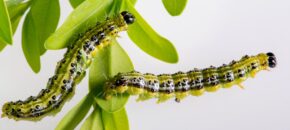
Educational Resource Update: Updated 2026 Guide -Rutgers Ornamental Pest Scouting – Scouting with Growing Degree Days (click here) is now available. This version combines the LONT and Christmas tree versions into an easier to use resource. Note there is a digital QR code on the front of this document that allows for picture uploads of […]
Continue reading...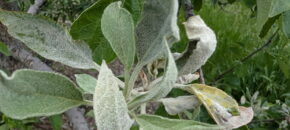
Temperatures early in the week were hot, with highs in the low to mid 90s °F, before cooling later in the week and into the weekend, when temperatures hung in the mid to upper 50s °F. Cooler temperatures over the weekend were accompanied by approximately 1-2 inches of rain. At this stage, surviving fruitlets are […]
Continue reading...Join us on Saturday, June 13, 2026, for the final event of the Networks to Reduce Risk: Building Viable NJ Farms program! We’re celebrating with a special field trip to Montclair Community Farms from 10:00 a.m. to 12:00 p.m. This fun wrap‑up event offers a great chance to explore urban agriculture, learn about sustainability and […]
Continue reading...
Greetings from the Veg IPM team! Here are the most recent pest and disease issues we’re seeing in various vegetable crops.
Continue reading...
By: Yahel Ben-Zvi and Cesar Rodriguez-Saona Rutgers P.E. Marucci Center New Jersey cranberry growers are increasingly concerned about rising populations of the blunt-nosed leafhopper (BNLH). This increase is likely associated with shifts in pest management strategies, including the adoption of reduced-risk insecticides and decreased use of broad-spectrum products, as well as the expansion of high-yielding […]
Continue reading...