Nitrogen is one of the most important nutrients for vegetable production, but it can also be one of the easiest to lose (by leaching), especially on New Jersey’s sandy Coastal Plain soils. Heavy rainfall or excessive irrigation can move nitrogen below the crop root zone before plants have a chance to use it. One way […]
Continue reading...June 15, 2026 Ramandeep Kumar Sharma
Fertigation: Improving Nitrogen Management In New Jersey Vegetable Crops
June 13, 2026 Meredith Melendez
Developing and Improving Your Worker Produce Safety Training for Audits and FSMA

A robust annual worker training is a requirement of both the FSMA Produce Safety Rule and a buyer required third-party audit. Are your produce workers trained? Do you feel good about the training they receive? Develop, review, or improve your produce worker food safety training by using our Developing Your On-Farm Food Safety Worker Training Program […]
Continue reading...June 12, 2026 Amanda Quadrel and Maria Cramer
Vegetable IPM Update 6/12/26
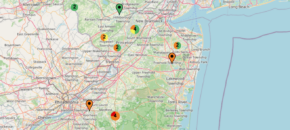
Greetings from the Veg IPM team! Here are this week’s latest pest and disease reports:
Continue reading...June 12, 2026 Michelle Infante-Casella
NJ Freeze Disaster Designation and Emergency Loan Info (NJ Freeze Disaster Declaration Approved)

The requested disaster declaration regarding Freeze from April 19, 2026, through April 22, 2026, has been approved by U.S. Secretary of Agriculture, Brooke Rollins on June 8th, 2026. All 21 counties in New Jersey, seventeen (17) primary and four (4) contiguous, are covered by this designation. A Secretarial Disaster Designation makes farm operators in primary […]
Continue reading...June 10, 2026 Tim Waller
Box Tree Moth CONFIRMED in Cape May, NJ

Cape May County NJ, with inset of Rio Grande (township) Box tree moth (BTM) has been confirmed in Cape May County, NJ. An official NJDA press-release expected within days – this PPA post has no legal bearing. What is happening: Box tree moth (Cydalima perspectalis) has been reported and Federally confirmed in the area of […]
Continue reading...Fruit IPM Report for Week of 6/1/2026

Across the state, daytime temperatures ranged from the upper 60s to the mid-70s until mid-week, when temperatures increased into the low 90s. Fruitlets that did not develop continue to drop, and additional drops are expected throughout this month. Growers are encouraged to continue evaluating blocks carefully before making management decisions throughout the season. Despite reduced crop potential, continued monitoring and management remain important, particularly in blocks with surviving fruit or where maintaining […]
Continue reading...