Greetings from the Veg IPM team! This week’s update contains important information about Cucurbit Downy Mildew in NJ.
August 28, 2026 Amanda Quadrel and Maria Cramer
Vegetable IPM Update 8/28/26
Filed Under: Organic Production, vegetable, Vegetable Crops Tagged With: cole crops, Insect management, IPM, pepper, pumpkin, sweet corn, tomato, winter squash
Fruit IPM Report 8/25/2026
As we approach the end of August, harvest of blueberries and peaches are ending while apple and grape harvest is beginning across the state. Temperatures for the month, particularly in the last week have been mild with high relative humidity. Heavy periods of rainfall were seen late last week with some areas recording more than 2 inches. Below are recent observations and considerations for pest management in fruit crops statewide.
Apples
Disease Management Considerations
Summer disease control is coming to an end for early-season apple varieties. Mid- to late-season varieties will need further applications on a two-week schedule, or every 2 inches of rain, using single-site materials from FRAC groups 11, 7, or 3 to manage summer rots, sooty blotch, and fly speck. See the NJ Tree Fruit Production guide for effective materials.
Fire blight strikes that are apparent should be pruned out during dry weather, cutting 8 to 12 inches below diseased wood. Pruning tools are sanitized after each cut by dipping them into a 10 percent bleach solution. Young trees with fire blight cankers that have spread to the main leader should be removed.
Insect Update
Brown Marmorated Stink Bugs (BMSB) are increasing at some farms and injury to fruit has been observed (Figure 1). If stinkbugs are a concern for your orchard, see the NJ Tree Fruit Production guide for effective materials.
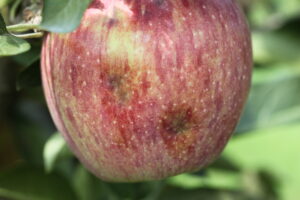
Figure 1. Injury from stink bug feeding on fruit looks like bruising and corking of flesh just under the skin.
Codling Moth (CM) pressure remains low in orchards statewide; however, we are seeing damage to fruit where populations have been high. Additional treatments should be applied if trap captures exceed 5 moths/trap.
Woolly apple aphids (WAA) are increasing in some orchards and spreading to shoots, particularly in older orchards with dense canopies. Sefina has a 7-day PHI and is a good option to manage WAA. Assail will also help to suppress WAA.
Scale crawler emergence is past peak and declining. Options at this point include Group 4A products labeled for scale, including Assail, and the bioinsecticide Venerate. Venerate has a 0-day PHI, making it useful for blocks near or at harvest.
Dogwood borer (DWB) continues to be captured in pheromone traps in orchards statewide. If this pest has been a problem in your blocks in the past, you may consider adding mating disruption next year.
Traps
Average Trap Captures in Apple – Southern Counties
| Week | STLM | TABM | CM | OFM | DWB | AMBROSIA BEETLE | BMSB |
| 5/11/2026 | 18 | 11 | 6 | 3 | 25 | 2 | – |
| 5/18/2026 | 16 | 21 | 3 | 10 | 54 | 13 | – |
| 5/25/2026 | 1.3 | 23 | 2 | 2 | 71 | 7 | – |
| 6/1/2026 | 378 | 33 | 3 | 2 | 49 | 6 | 0.4 |
| 6/8/2026 | 258 | 11 | 2 | 1 | 61 | 21 | 1.2 |
| 6/15/2026 | 355 | 4 | 0.6 | 1.5 | 57 | 13 | 0.8 |
| 6/22/2026 | 178 | 5 | 0.6 | 2 | 54 | 8 | 1.2 |
| 6/29/2026 | 504 | 0.3 | 0.1 | 0.5 | 27 | 12 | 0.8 |
| 7/6/2026 | 202 | 1.1 | 1.6 | 0.6 | 25 | 7.5 | 0.6 |
| 7/13/2026 | 226 | 0.9 | 1 | 1 | 33 | 1 | 1.6 |
| 7/20/2026 | 253 | 1.8 | 2 | 3 | 26 | 2.3 | 2.4 |
| 7/27/2026 | 246 | 1.5 | 5 | 1.6 | 38 | 2 | 1.6 |
| 8/3/2026 | 253 | 1.6 | 2 | 1 | 47 | 1.4 | 2.6 |
| 8/10/2026 | 1 | 1 | 1 | 48 | 2.7 | 0.8 | |
| 8/17/2026 | 375 | 1.9 | 1 | 1 | 47 | 2.6 | 2.2 |
Average Trap Captures in Apple – Northern Counties
| Week | STLM | TABM | CM | DWB | AMBROSIA BEETLE | BMSB |
| 5/11/2026 | 13.7 | 1.5 | 1.8 | 12.8 | 1.1 | – |
| 5/18/2026 | 8.3 | 13.25 | 2.4 | 18.5 | 10.8 | – |
| 5/25/2026 | 2.2 | 13.75 | 1.2 | 24.5 | 5.1 | – |
| 6/1/2026 | 25.1 | 24.3 | 3.4 | 23.8 | 9.4 | 0.3 |
| 6/8/2026 | 94 | 22.3 | 0.3 | 24.6 | 18 | 1.4 |
| 6/15/2026 | 68 | 22.3 | 1 | 22.6 | 14 | 1.1 |
| 6/22/2026 | 105.9 | 35 | 0.7 | 27.2 | 8.2 | 0.5 |
| 6/29/2026 | 100 | 11.5 | 0.3 | 28.9 | 5.3 | 0.3 |
| 7/6/2026 | 50.2 | 7.3 | 0.6 | 26.4 | 5.2 | 0.2 |
| 7/13/2026 | 52.4 | 7 | 0.5 | 24.8 | 5.3 | 0.2 |
| 7/20/2026 | 69.7 | 2.5 | 0.7 | 27.4 | 4.3 | 0.1 |
| 7/27/2026 | 92.4 | 2 | 0.6 | 30.6 | 5.3 | 0.2 |
| 8/3/2026 | 78.6 | 1.8 | 0.5 | 2.3 | 2.2 | 0.5 |
| 8/10/2026 | 56.5 | 3.3 | 0.7 | 26.3 | 3.2 | 0.1 |
| 8/17/2026 | 23 | 3.3 | 0.8 | 26.9 | 0.4 |
Filed Under: Blueberry, Fruit, Tree Fruit, Uncategorized, Wine Grape Tagged With: apple, Apple Disease, Apple Insect, blueberry, blueberry insect, fungicide resistance management, Insect management, IPM, IPM Observations, IPM Updates, Peach Insect, peachtree borer, pest scouting guide, tree fruit, wine grape, wine grape disease, wine grape insect, wine grape pest management
August 21, 2026 Amanda Quadrel and Maria Cramer
Vegetable IPM Update 8/21/26
Greetings from the Veg IPM team! Read more for the latest pest and disease updates.
Filed Under: Organic Production, vegetable, Vegetable Crops Tagged With: cole crops, Insect management, IPM, pepper, pumpkin, sweet corn, tomato, winter squash
Fruit IPM Report August 17, 2026
Apples
Disease Management Considerations
Summer scab, rots, sooty blotch, and flyspeck are the main targets currently, and are present in orchards throughout the state. Captan plus a phosphorous acid like Prophyt or Rampart can provide good summer disease control. Add single-site products such as Topsin, Merivon, Luna Sensation, and Pristine for improved control. Consider the pre-harvest interval as we approach harvest. Time applications before rain events through the growing season according to the cover spray rule of applications every 2” of rain or 14 days, whichever comes first.
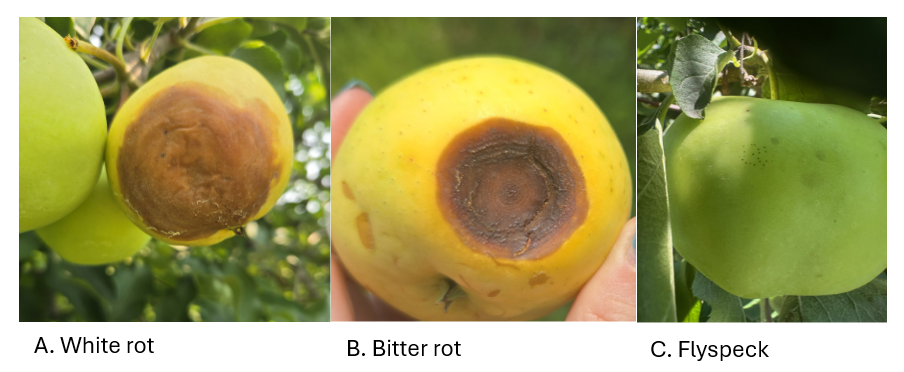
Figure 1. Diseases observed on developing apples.
Insect Update
Codling Moth (CM) trap captures have decreased compared with previous weeks, and most are below the treatment threshold. Additional treatments are not recommended unless there are more than 5 moths per trap.
Scale crawlers are active and can be found feeding on fruit (Figure 2). Second-generation crawler emergence is estimated to be at or just past peak. Control options at this point include Assail, Belay, Actara, and Sivanto. Venerate has a 0-day PHI, making it useful for blocks near or at harvest.
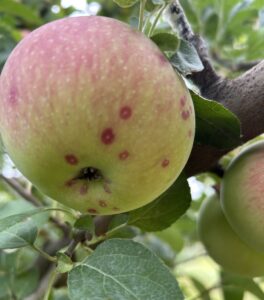
Figure 2. San Jose scale crawlers on maturing apple fruit.
Aphid populations, on average, remain below treatment levels, but are increasing as dry, hot weather continues. A treatment threshold is set at 50% of the terminals infested with live colonies. Minimize the use of pyrethroids to manage insect pests, as they can knock down beneficial organisms and predators. Research from Dr. Monique Rivera at Cornell University has demonstrated good control from Sefina for Woolly Apple Aphid in late summer.
Brown Marmorated Stink Bugs are active in orchards statewide; however, observations of injury remain low in managed orchards. See the NJ Tree Fruit Production guide for effective materials on harvesting fruit.
White Apple Leafhopper second-brood activity is active in South Jersey orchards. Check the undersides of 20 leaves per tree across 5 trees per block; the treatment threshold for the second brood is 2 or more leafhoppers per leaf. Feeding at this stage causes leaf mottling, and excrement can degrade fruit quality right before harvest. High adult populations can also create a major nuisance for harvest crews. If treatment is needed, thorough coverage on both upper and lower leaf surfaces is essential for effective control. Sivanto Prime, Leverage 360, and Assail are effective materials.
Traps
Average Trap Captures in Apple – Southern Counties
| Week | STLM | TABM | CM | OFM | DWB | AMBROSIA BEETLE | BMSB |
| 5/11/2026 | 18 | 11 | 6 | 3 | 25 | 2 | – |
| 5/18/2026 | 16 | 21 | 3 | 10 | 54 | 13 | – |
| 5/25/2026 | 1.3 | 23 | 2 | 2 | 71 | 7 | – |
| 6/1/2026 | 378 | 33 | 3 | 2 | 49 | 6 | 0.4 |
| 6/8/2026 | 258 | 11 | 2 | 1 | 61 | 21 | 1.2 |
| 6/15/2026 | 355 | 4 | 0.6 | 1.5 | 57 | 13 | 0.8 |
| 6/22/2026 | 178 | 5 | 0.6 | 2 | 54 | 8 | 1.2 |
| 6/29/2026 | 504 | 0.3 | 0.1 | 0.5 | 27 | 12 | 0.8 |
| 7/6/2026 | 202 | 1.1 | 1.6 | 0.6 | 25 | 7.5 | 0.6 |
| 7/13/2026 | 226 | 0.9 | 1 | 1 | 33 | 1 | 1.6 |
| 7/20/2026 | 253 | 1.8 | 2 | 3 | 26 | 2.3 | 2.4 |
| 7/27/2026 | 246 | 1.5 | 5 | 1.6 | 38 | 2 | 1.6 |
| 8/3/2026 | 253 | 1.6 | 2 | 1 | 47 | 1.4 | 2.6 |
| 8/10/2026 | NA | 1 | 1 | 1 | 48 | 0.8 |
Average Trap Captures in Apple – Northern Counties
| Week | STLM | TABM | CM | DWB | AMBROSIA BEETLE | BMSB |
| 5/11/2026 | 13.7 | 1.5 | 1.8 | 12.8 | 1.1 | – |
| 5/18/2026 | 8.3 | 13.25 | 2.4 | 18.5 | 10.8 | – |
| 5/25/2026 | 2.2 | 13.75 | 1.2 | 24.5 | 5.1 | – |
| 6/1/2026 | 25.1 | 24.3 | 3.4 | 23.8 | 9.4 | 0.3 |
| 6/8/2026 | 94 | 22.3 | 0.3 | 24.6 | 18 | 1.4 |
| 6/15/2026 | 68 | 22.3 | 1 | 22.6 | 14 | 1.1 |
| 6/22/2026 | 105.9 | 35 | 0.7 | 27.2 | 8.2 | 0.5 |
| 6/29/2026 | 100 | 11.5 | 0.3 | 28.9 | 5.3 | 0.3 |
| 7/6/2026 | 50.2 | 7.3 | 0.6 | 26.4 | 5.2 | 0.2 |
| 7/13/2026 | 52.4 | 7 | 0.5 | 24.8 | 5.3 | 0.2 |
| 7/20/2026 | 69.7 | 2.5 | 0.7 | 27.4 | 4.3 | 0.1 |
| 7/27/2026 | 92.4 | 2 | 0.6 | 30.6 | 5.3 | 0.2 |
| 8/3/2026 | 78.6 | 1.8 | 0.5 | 2.3 | 2.2 | 0.5 |
| 8/10/2026 | 56.5 | 3.3 | 0.7 | 26.3 | 3.2 | 0.1 |
Peaches
Disease Management
Brown rot has been observed in ripening fruit. Maintain coverage through harvest with highly effective rot materials: Indar, Cevya, Orius, Quash, and Tilt (FRAC group 3); and Merivon, Luna Sensation, Pristine, and Quadris Top (FRAC group 11).
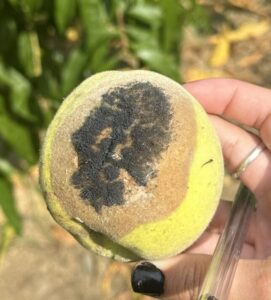
Figure 3. Rhizopus rot on maturing peach fruit. Photo by Amy Andreacchio.
Rhizopus rot has begun appearing in the field in South Jersey as fruit reaches maturity (Figure 3). Rotted peaches look similar to brown rot but are slightly darker, leaky, and the skin slips easily from the decaying flesh underneath. Look for white, fluffy fungal growth (“whiskers”) that turns gray-to-black as fruiting bodies develop. Infection typically occurs through wounds, so minimizing insect feeding, physical injury, and other diseases before harvest is key. Pre- and postharvest treatments, along with rapid cooling after harvest, will help reduce disease incidence. Merivon and Quadris Top 2.72SC are effective materials.
Insect Update
Oriental Fruit Moth (OFM) trap captures have decreased compared with previous weeks and are below the threshold at most sites. Consider treatment if trap captures are above threshold (>8 moths per trap). A few options for late in the season with low PHIs would include Assail (7-day), Baythroid XL (7-day), Danitol (3-day), Delegate (1-day), and Sevin (3-day).
Japanese beetles are present in orchards and have been persistent this season, feeding in the tree canopy and on fruit. To prevent losses, include neonicotinoid materials such as Assail (7-day PHI), pyrethroids such as Baythroid (7-day), or premix products such as Leverage 360 (7-day). Verdepryn (IRAC 28, 7-day PHI) is also effective.
Scale crawlers are active in orchards. See recommendations above for management options.
Brown Marmorated Stink Bug and other catfacing insects like tarnished plant bug are active in orchards, but injury remains low.
Lesser and greater peachtree borer trap captures have increased from previous weeks. Where high trap captures have been recorded, growers should begin preparing for post-harvest trunk applications of pyrethroids (Asana or Pounce) or chlorpyrifos, with mid-August through early September generally providing the best timing to target young larvae before they enter the tree. Apply the insecticide thoroughly to the lower trunk, root flare, scaffold crotches, and any canker areas, following label directions.
Traps
Average Trap Captures in Peach – Southern Counties
| Week | OFM | TABM | LPTB | PTB | BMSB |
| 5/11/2026 | 5 | 10 | – | – | – |
| 5/18/2026 | 4 | 20 | – | – | – |
| 5/25/2026 | 2 | 20 | 31 | 1 | – |
| 6/1/2026 | 4 | 46 | 28 | 3 | 0 |
| 6/8/2026 | 8 | 13 | 25 | 3 | 0.75 |
| 6/15/2026 | 5 | 6 | 13 | 3 | 0.75 |
| 6/22/2026 | 6 | 4 | 23 | 7 | 1 |
| 6/29/2026 | 3 | 0.2 | 16 | 6 | 2 |
| 7/6/2026 | 5 | 0.6 | 16 | 4 | 1.3 |
| 7/13/2026 | 9 | 1.4 | 18 | 7 | 3.5 |
| 7/20/2026 | 8 | 2.4 | 12 | 6 | 2.5 |
| 7/27/2026 | 6 | 2 | 6 | 6 | 8 |
| 8/3/2026 | 3 | 2 | 13 | 10 | 1.3 |
| 8/10/2026 | 4 | 1 | 25 | 10 | 1 |
Average Trap Captures in Peach – Northern Counties
| Week | OFM | LPTB | PTB |
| 5/11/2026 | 4.4 | 24 | 0 |
| 5/18/2026 | 2.4 | 16.5 | 0.2 |
| 5/25/2026 | 0.7 | 8.75 | 0.1 |
| 6/1/2026 | 1.8 | 11 | 0.5 |
| 6/8/2026 | 0.6 | 8.5 | 0.05 |
| 6/15/2026 | 3.5 | 9.7 | 1.2 |
| 6/22/2026 | 3.4 | 7.4 | 1.6 |
| 6/29/2026 | 2 | 4.6 | 1.1 |
| 7/6/2026 | 1.7 | 8.5 | 1.8 |
| 7/13/2026 | 0.5 | 2.8 | 3.7 |
| 7/20/2026 | 2.1 | 1.5 | 2.9 |
| 7/27/2026 | 4.3 | 0.9 | 1.7 |
| 8/3/2026 | 3.8 | 1.5 | 1.2 |
| 8/10/2026 | 1.5 | 4.5 | 2.1 |
Blueberries
Insect Update
Spotted-wing drosophila (SWD) trap captures have increased (Table 1), but as harvest activities wrap up, management will shift away from controlling SWD in the field. Sanitation by removing unharvested, culled, or overripe fruit from the field will help to significantly reduce SWD pressure.
We are keeping a close eye on sharp-nosed leafhopper (SNLH) and scale traps, since this will be your next insecticide spray. Activity for both has increased (Tables 2 and 3), but not sufficiently to warrant treatment.
Table 1. Spotted-Wing Drosophila and Blueberry Maggot traps
| Spotted-wing Drosophila | Blueberry Maggot | |||||||
| Atlantic County | Burlington County | Atlantic County | Burlington County | |||||
| Avg | High | Avg | High | Avg | High | Avg | High | |
| 6/6 | 8.99 | 35 | 2.86 | 7 | 0.03 | 1 | 0 | 0 |
| 6/12 | 9.9 | 46 | 3.7 | 25 | 0 | 0 | 0 | 0 |
| 6/20 | 10.24 | 48 | 8.22 | 35 | 0 | 0 | 0 | 0 |
| 6/27 | 6.96 | 78 | 3.6 | 18 | 0 | 0 | 0 | 0 |
| 7/3 | 29.78 | 273 | 50.9 | 81 | 0.33 | 27 | 0 | 0 |
| 7/10 | 31.2 | 130 | 86.1 | 177 | 0.15 | 12 | 0 | 0 |
| 7/18 | 28.3 | 110 | 59.3 | 125 | 0.07 | 5 | 0.16 | 1 |
| 7/25 | 40.22 | 227 | 79.1 | 223 | 0.07 | 6 | 0.06 | 2 |
| 7/31 | 52.3 | 199 | 58.8 | 167 | 0.04 | 2 | 0.04 | 1 |
| 8/8 | 64.8 | 341 | 121 | 226 | 0.01 | 1 | 0 | 0 |
Table 2. Sharp-nosed Leafhopper and Oriental Beetle traps
| Sharp-nosed Leafhopper | Oriental Beetle | |||||||
| Atlantic County | Burlington County | Atlantic County | Burlington County | |||||
| Avg | High | Avg | High | Avg | High | Avg | High | |
| 6/6 | 1.42 | 16 | 1.25 | 7 | 5.78 | 35 | 2.57 | 14 |
| 6/12 | 0.56 | 12 | 4.8 | 46 | 62 | 340 | 47 | 170 |
| 6/20 | 0.88 | 6 | 1.44 | 12 | 411 | 2025 | 403 | 2025 |
| 6/27 | 0.77 | 9 | 0.37 | 2 | 243 | 2025 | 458 | 2025 |
| 7/3 | 1.5 | 15 | 0.55 | 2 | 466.7 | 2025 | 182.7 | 510 |
| 7/10 | 1.40 | 14 | 0.33 | 2 | 396 | 1970 | 393 | 2025 |
| 7/18 | 0.98 | 13 | 0 | 0 | 191.1 | 2025 | 235 | 1350 |
| 7/25 | 1.11 | 7 | 0.11 | 1 | 64.4 | 340 | 136.6 | 675 |
| 7/31 | 0.90 | 5 | 0.25 | 2 | 27.68 | 132 | 35.3 | 85 |
| 8/8 | 0.85 | 18 | 0.3 | 2 | 15.6 | 65 | 24.3 | 75 |
Table 3. Scale Traps
| Putnam | Terrapin | |||
| Avg | High | Avg | High | |
| 5/23 | 36.85 | 230 | 1.8 | 8 |
| 5/29 | 65.17 | 352 | 21.2 | 41 |
| 6/6 | 136.25 | 402 | 75.25 | 84 |
| 6/12 | 164 | 639 | 96 | 202 |
| 6/20 | 102 | 288 | 85 | 167 |
| 6/27 | 45 | 193 | 32 | 119 |
| 7/3 | 41.7 | 315 | 27.5 | 46 |
| 7/10 | 16.26 | 74 | 24.6 | 61 |
| 7/18 | 6.06 | 25 | 12 | 24 |
| 7/25 | 10.5 | 73 | 11 | 24 |
| 7/31 | 12.6 | 64 | 11.3 | 27 |
| 8/8 | 20.8 | 135 | 15.3 | 32 |
Diseases
Monitoring for black shadow (Figure 4) in blueberry fields showed that in fields where black shadow was observed, the average incidence was approximately 25%, with one field reaching 100%.
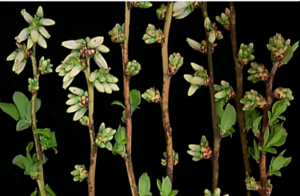
Figure 4. Black shadow on blueberry canes. Credit: Peter Oudemans, Rutgers University.
For recommendations for black shadow management, refer to the 2026 Rutgers Commercial Blueberry Guide.
Grapes
Insects
Grape berry moth (GBM) trap captures have declined in vineyards. Continue to monitor for damage to bunches and consider treatment when more than 10-15% of the bunches show berry webbing and GBM larval feeding injury. Be mindful of the pre-harvest interval as we approach harvest. See the Commercial Grape Pest Control Recommendations for New Jersey for management options.
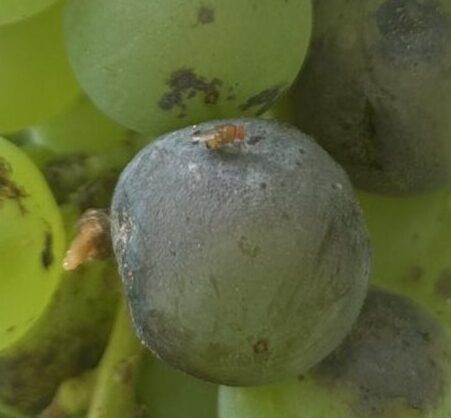
Figure 5. Spotted-wing drosophila male adult on ripening grape.
Spotted lanternfly (SLF) adults are present in vineyards. As we approach September, adult migration into vineyards will increase, at which point we consider applying materials with long residual efficacy. See this previous Plant & Pest Advisory post on Management of Spotted Lanternfly in New Jersey Vineyards.
Spotted-Wing Drosophila male adult flies are being trapped in vineyards in southern counties (Figure 5). Monitoring efforts have shifted to grapes as veraison progresses and ripe fruit becomes vulnerable to infestation.
Diseases
Disease management continues to focus mainly on downy mildew, powdery mildew, bunch rot, and black rot. Outbreaks of anthracnose fruit rot have also been observed (Figure 6). Refer to the NJ Commercial Grape Production Guide for more information on disease management options.
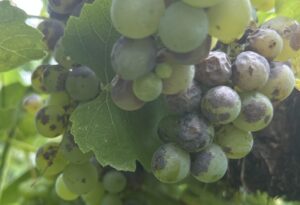
Figure 6. Anthracnose fruit rot on grapes.
Filed Under: Blueberry, Fruit, Tree Fruit, Uncategorized, Wine Grape Tagged With: apple, Apple Disease, Apple Insect, blueberry, blueberry insect, fungicide resistance management, Insect management, IPM, IPM Observations, IPM Updates, Peach Disease, Peach Insect, peachtree borer, pest scouting guide, tree fruit, wine grape, wine grape disease, wine grape insect, wine grape pest management
August 14, 2026 Amanda Quadrel and Maria Cramer
Vegetable IPM Update 8/14/26
Greetings from the Veg IPM team! Read more for the latest pest and disease updates.
Filed Under: Organic Production, vegetable, Vegetable Crops Tagged With: cole crops, Insect management, IPM, pepper, pumpkin, sweet corn, tomato, winter squash
August 7, 2026 Amanda Quadrel and Maria Cramer
Vegetable IPM Update 8/7/26
Greetings from the Veg IPM team! Read more for the latest pest and disease updates.
Filed Under: Organic Production, vegetable, Vegetable Crops Tagged With: cole crops, Insect management, IPM, pepper, pumpkin, sweet corn, tomato, winter squash
- « Previous Page
- 1
- 2
- 3
- 4
- …
- 13
- Next Page »
