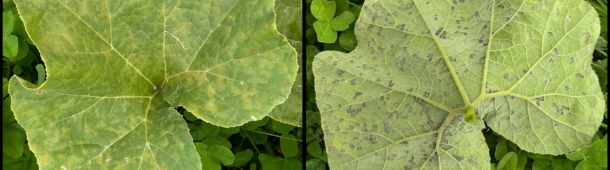
Greetings from the Veg IPM team! This week’s update contains important information about Cucurbit Downy Mildew in NJ.
Rutgers Cooperative Extension
Greetings from the Veg IPM team! This week’s update contains important information about Cucurbit Downy Mildew in NJ.


“Call Before you Dig” is the slogan used remind people to find underground utilities before doing any digging or excavation. Striking an underground utility line during routine farm projects—like installing fence posts, deep ripping, or laying drainage tile—can lead to dangerous injuries, costly repairs, and severe service outages. It is important for farmers, ranchers and others to call 811 or before any excavation to remain safe and to comply with the law.
In New Jersey, please review the following process to ensure a safe excavation/digging experience.
New Jersey Law requires anyone digging to call at least three full business days (excluding weekends and holidays) prior to beginning work. This is for everyone and includes property and homeowners’ contractors.
Contact New Jersey One Call at 811 or 800-272-1000 any time, day or night. Also see the website for New Jersey One Call for more information.
Key Safe Digging Tips:
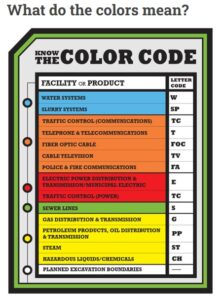
• WAIT for the site to be marked with paint, flags or stakes. See the color chart and labels below for what each utility company uses for markings.
• RESPECT THE MARKS
• DIG WITH CARE by hand digging within two feet on either side of any marked areas.
Stop and Report Immediately: If equipment strikes a line—even if there is no visible damage—stop work and contact the utility company and emergency services right away.
Annalisa Hultberg from the University of Minnesota Extension has produced a short (under 10 minutes) informational video to provide updates on the outbreaks and recalls associated with the Cyclospora parasite. Many fruit and vegetable farmers may be getting questions from their customers about their produce and its safety. If you want to learn more about this foodborne […]
Continue reading...
UPDATE: Emergency BTM Compliance Agreement Meeting with NJDA – Seabrook Firehouse, 3PM – Monday 31st (Free – just show up if within a quarantined county) 90 Foster Road, Bridgeton (Upper Deerfield Township), NJ 08302 This PPA post has no legal bearing. This is a long but extremely important post about the expansion of the […]
Continue reading...
As we approach the end of August, harvest of blueberries and peaches are ending while apple and grape harvest is beginning across the state. Temperatures for the month, particularly in the last week have been mild with high relative humidity. Heavy periods of rainfall were seen late last week with some areas recording more than […]
Continue reading...September 3rd, 2026 – 9:00am to 11:30am Location: 44 Longstreet Rd, Holmdel, NJ 07733 NJ Pesticide License Recertification Credits 3A: 5 8C: 5 10: 5 PP2: 5 Steve Rettke: IPM Program Associate, Rutgers Cooperative Extension Bill Errickson, PhD: Agriculture Agent, Rutgers Cooperative Extension of Monmouth County Tim Waller, PhD: Agriculture Agent, Rutgers Cooperative Extension of […]
Continue reading...