 Articles in this section contain information helpful to the NJ commercial organic grower.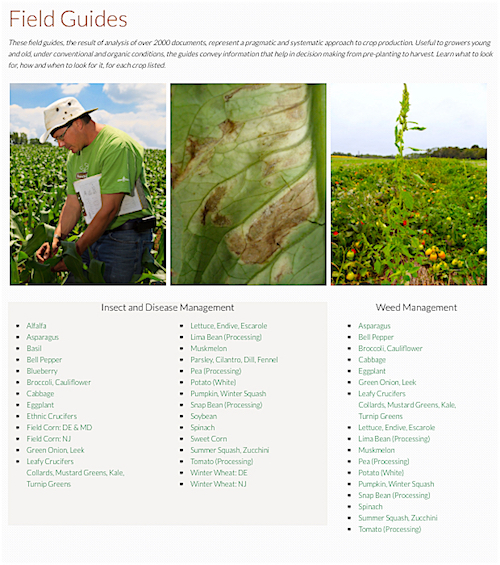
 Allowing gleaners on your farm is a wonderful way to provide nutritious high-quality food to food insecure communities. Gleaners can unknowingly contaminate produce, a thirteen minute training video has been developed for volunteer gleaners focusing on produce safety. This video is available on the Rutgers NJAES YouTube site and soon on the Rutgers On-Farm Food Safety site. A companion quiz was created for use to take after watching the video to test the knowledge of the gleaner on best practices. A certificate of completion is displayed once the questions have been answered correctly. We encourage farmers and gleaning organizations to stress the importance of produce safety during the gleaning process through education and support the health and hygiene practices of gleaners. Best practices covered in the video are discussed in the Q&A below.
How should a farm support gleaner health and hygiene?
The gleaning organization should be aware of what you expect to supply gleaners while they are at your farm and know what they need to provide themselves.
- Restrooms and hand washing stations should be available in the location that gleaning will take place
- Restrooms and handwashing stations should be stocked and ready to use
- First aid supplies should be provided at a central location
What information should you supply the gleaning organization?
Clear communication channels before and during the gleaning process are important!
- The contact information of the person at the farm who is responsible in case there is an emergency, or if something goes wrong
- Location/s at the farm where gleaners are permitted to harvest
- Location of restrooms and handwashing stations
- Crops that will be harvested and any needed tools or containers that the gleaning organization should provide
- Information specific to animal activities in the field that could result in feces in the field or feeding damage from wildlife
- Any areas of the farm that gleaners must not enter
What information should the gleaning organization communicate to gleaners before they arrive at a gleaning event?
While many gleaning events happen last minute, and gleaner participation may be tentative, it is important that this information is shared with them prior to the event to help facilitate good practices.
- Signs and symptoms of illness that would prevent them from gleaning
- Appropriate clothing to wear while gleaning
- Hand jewelry should not be worn while gleaning
- Tools and gloves from home should not be used, gleaners should only use items supplied by the farm or the gleaning organization
- Snacks and non-water beverages are not permitted in the field
- The training video should be viewed prior to all gleaning participation
What information should gleaners understand about identifying produce that is safe to glean?
Gleaners should understand what produce can and cannot be harvested.
- Do not harvest produce that has fallen off of the plant and is on the ground
- Do not harvest produce that was dropped on the ground during harvest or transportation
- Do not harvest produce that is visibly contaminated with fecal matter
- Do not harvest produce that may be contaminated with fecal matter
What information should the farmer share with the gleaning coordinator and gleaners once they have arrived at the farm?
Information should be provided to gleaners at the start of the event to remind them of your expectations while gleaning. Volunteers showing up late must be informed of this same information and should know to check in with the gleaning coordinator.
- Restroom and handwashing station locations
- Importance of washing hands including when to wash them
- First aid kit and injury handling procedures
- Harvesting procedures and how to use tools if needed
- The process to avoid placing harvest containers on the ground, such as using a bottom bin to stack on top of with other bins, with the bottom bin not harvested into
- Gleaners should not use tools or gloves from home
What behaviors should I expect to see gleaners doing while gleaning to ensure produce safety?
- Not eating or drinking non-water beverages in the field
- Not eating produce while they are gleaning
- Washing hands at appropriate times:
- Prior to the start of gleaning
- After using the restroom
- After eating, drinking, smoking
- Anytime their hands may become contaminated
- Awareness of and staying away from fecal material in the field
- Communicating with the gleaning coordinator when:
- Fecal material found in the field
- An injury occurs
- Someone begins to feel ill
- Restroom or handwashing facility issues
For more information on produce safety, and details on why the above best practices were targeted for the harvesting of produce visit the Rutgers On-Farm Food Safety Essentials webpage. To access the gleaner produce safety training visit the Rutgers NJAES YouTube channel: https://www.youtube.com/watch?v=grIGTneupd8

 The
The 