Nursery – Pest Scouting Guide for July – BWB and RHFB Reminders

NURSERY PEST SCOUTING GUIDE – JULY (1300-2200 GDD50)

Please download and print the pest scouting guide resources (printable version of the information below for your desk or truck) –(click on the link and then print)

To determine your local growing degree-days, please review this postObtaining your local growing degree-day information”

Projected GDD50 accumulation as of 7/1/2021
Region Location 1-Jul 1-Aug 1-Sep 1-Oct 1-Nov
Southern Upper Deerfield (NJ50) 1303 2145 2931 3477 3682
Central Howell / Freehold (NJ10) 1102 1896 2630 3109 3249
Northern High Point (NJ59) 884 1490 2045 2352 2384
Forecast: NOAA NCEP Coupled Forecast System model version 2 (CFSv2) forecast system (3.5 months) (USPEST.ORG)


(Same material as downloads)

Nursery Pest Scouting – Growing Degree-day Ranges  (1300-2200 GDD50) 
CROP TYPE Common Name Scientific Name GDD Min (50F) GDD Max (95F) Reference Developmental / Target Stage
Many Japanese beetle  Popillia japonica 950 2150 5 Adults emerge and feed
Turf Bluegrass billbug Sphenophorus parvulus 1094 1217 RU Larvae (40%)
Many Indian wax scale Ceroplastes ceriferus 1145 6 Crawlers (1st generation)
Many Oriental Beetle Anomala orientalis 1147 6 Adult emergence
Euonymus Euonymus Scale Unaspis euonymil 1150 1388 5 2nd generation targeted treatments
Dogwood Dogwood sawfly Macremphytus tarsatus 1151 1500 RU Larvae Treatment
Tulip Tuliptree aphid Illinoia liriodendri 1151 1514 RU Nymphs / adults
Boxwood Boxwood leafminer  Monoarthropalpus flavus 1200 1400 5 Larvae Treatment
Conifer Northern pine weevil Pissodes nemorensis 1200 1400 4 2nd generation adults active
Conifer Pales weevil Hylobius pales 1200 1400 4 Adults 2nd generation
Conifer Pine root collar weevil  Hylobius radicis 1200 1400 4 2nd generation adults active
Conifer White pine weevil Pissodes strobi 1200 1400 4 2nd generation adults active
Rhododendron Azalea whitefly Pealius azaleae 1250 1500 5 Adults/nymphs (2nd generation)
Turf Bluegrass sod webworm Parapediasia teterrella 1250 1920 RU Larvae
Birch Birch Skeletonizer Bucculatrix canadensisella 1266 1580 5 Typical treatment window
Shade trees European fruit lecanium Parthenolecanium corni 1266 1645 5 Crawlers
Many Fall webworm Hyphantria cunea 1266 1795 2 Caterpillars present – larvae treatment
Many Lacebugs ( on hawthorn) Corythucha cydoniae 1266 1544 RU Nymphs / adults
Many Leafhoppers Species within Cicadellidae  1266 1544 RU Nymphs / adults
Privet Privet rust mite Aculus ligustri 1266 1515 5 Second typical treatment window
Conifer Pine Needle Scale Chionaspis pinifoliae 1290 1917 3 Crawlers emerge (2nd generation)
Many Two spotted spider mite  Tetranychus urticae 1300 2000 RU Nymphs / adults
Turf N. Masked chafer Cyclocephala borealis 1377 1579 RU Adults (90%)
Conifer Hemlock scale Abgrallaspis ithacae 1388 2154 5 Typical treatment window
Lilac Lilac leafminer  Caloptilia syringella 1388 1644 5 Typical treatment window
Conifer Cooley spruce gall adelgid Adelges cooleyi 1500 1775 RU Adults/nymphs (Douglas Fir)
Malus, Prunus, many Peachtree borer Synanthedon sp. 1500 1800 RU Larvae Treatment
Conifer Pine Needle Scale Chionaspis pinifoliae 1500 4 Hyaline crawlers = treatment timing
Conifer Nantucket tip moth Rhyacionia frustrana 1514 1917 RU Adults 2nd generation
Many Roundheaded apple tree borer Saperda candida 1514 1798 5 Typical treatment window
Many Redheaded flea beetle Systena frontalis 1570 1860 Udel. 2nd generation egg hatch
Many Japanese beetle  Popillia japonica 1590 1925 RU Adults (90%)
Many White prunicola scale Pseudaulacaspis prunicola 1637 6 Egg hatch / crawler (2nd generation)
Conifer Rust-mites  Nalepella and Setoptus spp. 1644 2030 RU Nymphs / adults
Many Two-banded Japanese weevil Pseudocneorhinus bifasciatus 1644 2271 RU Adults
Willow Willow twig aphids Lachnus spp. 1644 2271 5 Typical treatment window
Conifer Juniper webworm Dichomeris marginella 1645 1917 RU Larvae Treatment
Euonymus Euonymus Scale Unaspis euonymil 1700 RU Continued 2nd generation treatments
Conifer Cryptomeria scale Aspidiotus cryptomeriae 1750 2130 RU, 4 Crawlers emerge (2nd generation)
Many Obscure scale Melanaspis obscura 1774 6 Egg hatch / crawler
Oaks Oak skeletonizer Bucculatrix ainsliella 1798 2155 RU Larvae
Conifer Arborvitae leafminer Argyresthia thuiella 1800 2200 RU Larvae Treatment (3rd generation)
Mimosa, Honeylocust Mimosa webworm Homadaula anisocentra  1800 2100 RU Larvae (2nd generation)
Conifer Cooley spruce gall adelgid Adelges cooleyi 1850 1950 RU Galls open (Spruce)
Turf Hairy chinch bug  Blissus leucopterus 1903 2160 RU Second generation- 50%- 2nd instars
Tulip Tuliptree aphid Illinoia liriodendri 1917 2033 RU Nymphs
Conifer Zimmerman pine moth Dioryctria zimmermani 1917 2154 5 Treatment window (adult flight-1700 GDD)
Mainly Oaks Orangestriped oakworm Anisota senatoria 1917 6 Egg hatch – early instars
Conifer White pine aphid Cinara strobi 1991 2271 RU Adults
Rhododendron Azalea whitefly Pealius azaleae 2032 2150 5 Adults/nymphs (3rd generation)
Maple Sugar maple borer Glycobius speciosus 2032 2375 5 Typical treatment window
Conifer Maskell scale lepidosaphes pallia 2035 6 Egg hatch / crawler (2nd generation)
Mainly Tulip Tulip tree scale Toumeyella liriodendri  2037 2629 RU Crawlers (1st generation)
Mainly Magnolia Magnolia scale Neolecanium cornuparvum 2155 2800 RU Crawlers (1st generation)
Locust Locust borer Magacyllene robiniae 2271 2805 5 Typical treatment window
Poplar and Willow Poplar and willow borer  Crytorhynchus lapathi 2271 2806 5 Typical treatment window
Conifer Spruce spider mite  Oligonychus ununguis 2375 2806 5 Typical treatment window
Note: Growing degree-day values utilize daily average air temperatures with a minimum temperature threshold (a.k.a. ‘base’) of 50F = GDD50 (max. temp. threshold set at 95F). These values are accumulated from a biofix date, such as January or March 1st in the NE USA. Provided GDD50 are scouting ranges and should be truthed. References RU Rutgers Cooperative Extension – Landscape IPM Notes
2 http://ccetompkins.org/resources/using-growing-degree-days-for-insect-management
3 https://extension.psu.edu/ipm-basics-for-christmas-trees#section-2
4 https://www.canr.msu.edu/ipm/agriculture/christmas_trees/gdd_of_conifer_insects
5 https://www.agriculture.nh.gov/publications-forms/documents/landscape-pests.pdf
Daily GDD50 =                                                                                                  (Max + Min temp.) / 2 – 50 (min temp. threshold) 6 https://extension.umd.edu/ipm/pest-predictive-calendar-landscapenursery
7 https://www.canr.msu.edu/ipm/agriculture/christmas_trees/gdd_of_landscape_insects
Unv. Del. Coorespondance with Dr. Kunkel (University of Delaware)-evolving GDD ranges
Compiled 7-6-2021 – Timothy J. Waller, Ph.D. – Rutgers Cooperative Extension, Cumberland County Nursery Crops – twaller@njaes.rutgers.edu  

Redheaded flea beetle considerations:

Adults are mating and laying eggs in southern NJ. Contact material applications are still viable to target adults now (if found scouting) but will also be useful when treating larvae prior to emergence from the soil/growing media in a few weeks time. The use of systemics should also be considered to protect foliage from the next generations adults and again late season to guard from first generation adults in the 2022 spring season.

NOTE: The majority of RHFB I have personally observed have been seen later in the evening, especially if the foliage is wet. I have also isolated an anthracnose pathogen (Colletotrichum sp.) from what appeared to be damaged leaves. Thus a complete fungicide – insecticide program needs to be in place if this is a high value crop for your business.

Refer to this chart for material and timing considerations (GDD50 forecasts updated 7/6/2021) – CLICK HERE


Boxwood blight considerations: 

Preventative applications should continue in high value plantings. As with the vast majority of foliar diseases, overhead irrigation plays a major role in reducing the staying power and efficacy of fungicides. Overhead irrigation or rain events also play a critical role in pathogen dispersal and ease of entry by these pathogens into plant tissues. Anything you can do to reduce/limit overhead irrigation in virtually all crops will aid in reducing the overall disease pressure that your plants experience.

Boxwood Blight Risk Model (CLICK HERE) – In 30 seconds you can have a better idea of boxwood blight (and other pathogen) activity in your immediate area!

    • (click on the link – input area code – select closest weather station – check 7-14 prediction – click on graph / table) 

Great new resources by Steve Rettke

Mimosa Webworm Activity Begins

Some Key Soft Scale Pests in the Landscape


SURVEY REQUESTS

Please answer a few questions if you would like to be included in a statewide Phytophthora in Conifer Nurseries sampling project 

Please fill out this brief survey if you are experiencing damages due to Redheaded flea beetle (RHFB)

Contact – Timothy J. Waller – twaller@njaes.rutgers.edu for more information
Mimosa Webworm Activity Begins


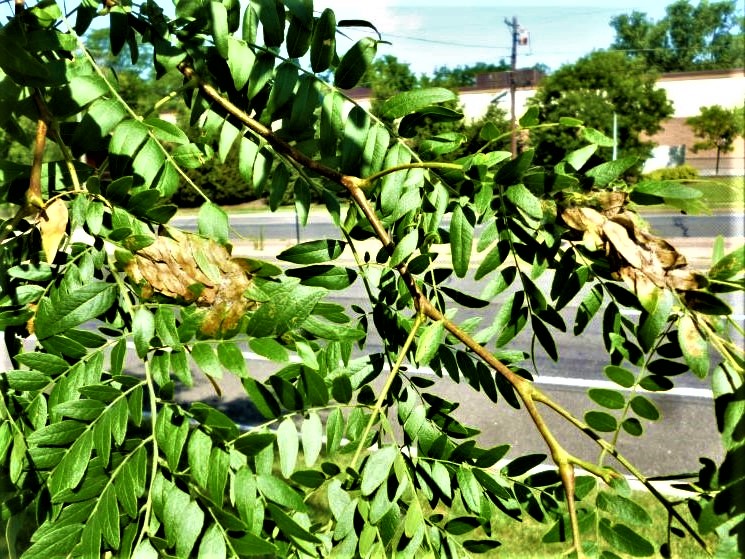
Mimosa webworm early webbing of honeylocust leaflets at outer branches. (Photo Credit: Steven K. Rettke, Rutgers Coop. Ext.)

Mimosa Webworm (Homadaula anisocentra) = (880-1200 GDD = 1st generation egg hatch): The overwintering pupal cocoons of this non-native caterpillar emerged as adults last June & eggs have been laid on leaflets or small twigs of honeylocust (Gleditisia tricanthos ) trees in NJ. This caterpillar also feeds on mimosa trees, but since honeylocust plantings in the urban environment are more common, we usually encountered them on these trees. Within many areas of the state, the early, initial 1st generation webbings by 1st instar caterpillars are now becoming noticeable at the outer edges of the leaf canopy.


[Read more…]

Don’t Let Your Guard Down With Farm Worker Health

The COVID-19 pandemic highlighted the critical and essential role of farm labor in getting food from farm to plate. However, health concerns should not stop with a negative COVID test or vaccine, especially if an employee or family member is exhibiting any of the ‘flu-like’ symptoms that are associated with corona virus.

From the Vermont Law School Center for Agriculture and Food Systems (CAFS) – “The CAFS launched the Food System Worker Law and Policy Project in 2021 with research focused on farmworkers, who—despite forming the backbone of a trillion-dollar industry in the U.S.—face a level of occupational risk unrivaled by most workers. From repeated exposure to pesticides and extreme heat, …. ” Their newly published “report titled “Essentially Unprotected: A Focus on Farmworker Health Laws and Policies Addressing Pesticide Exposure and Heat-Related illness,” … May 2021, provides an overview of the findings as well as policy recommendations that are urgently needed to protect farmworkers.”

Typically not seen until July, we’ve already had 3 heat waves beginning in May that expose workers to a number of potential health risks that may present very similar symptoms and can be equally health, and even life, threatening. Published studies from the Rutgers Institute of Earth, Ocean, and Atmospheric Sciences suggest growing numbers of people worldwide are at risk of heat stress and related complications, including farmers and ag laborers working in high heat and humid conditions. Last year, OSHA-NIOSH released a Heat Index App (in English and Spanish at the Apple App Store or Google Play) featuring:

  • A visual indicator of the current heat index and associated risk levels specific to your current geographical location
  • Precautionary recommendations specific to heat index-associated risk levels
  • An interactive, hourly forecast of heat index values, risk level, and recommendations for planning outdoor work activities in advance
  • Editable location, temperature, and humidity controls for calculation of variable conditions
  • Signs and symptoms and first aid information for heat-related illnesses

For more information about safety while working in the heat, see OSHA’s heat illness webpage, including online guidance about using the heat index to protect workers.

In addition to heat stress, harvesting and other activities along field edges, including going into the woods instead of using a portable bathroom facilities, create a high risk for tick bites which can also carry a number of diseases, many as or more debilitating than Lyme disease. It is critical for your employees’ health and well-being to get proper diagnosis and treatment for all of these ailments. This table illustrates how many tick-born diseases, as well as heat stress, all have potential symptoms very similar to those of COVID-19. Each is linked to additional resources at the CDC. In many cases, it may be the ‘other symptoms’ that may be unique to each disease and assist a medical practitioner with correct identification and lead to better verification with further testing.

   Disease    >

Symptoms  v

COVID-19 Heat Stress Lyme Disease Ehrlichiosis Babe- biosis Powas-san Rocky Mtn Spotted Fever
Vector* Human Black-legged Tick (a.k.a. Deer Tick) (I. scapularis) Lone Star Tick (A. americanum) & Black-legged Black-legged Tick Ground hog(I. cookei), Squirrel (I. marxi) & Black-legged Ticks American Dog Tick (D. variabilis)
Fever or chills X X X X X X X
Cough X X
Shortness of breath/difficulty breathing X
Fatigue X X X X
Muscle/body aches X X X X X X
Headache X X X X X X X
New loss of taste or smell X
Sore throat X
Congestion or runny nose X
Nausea/vomiting X X X X X X X
Diarrhea X X
Rash X X X
Other symptoms X X X X X X
Potentially Deadly/Disabling
X X X X X X X

*NOTE – main vector listed, but many tick born diseases may be vectored by other species of ticks, or different species causing same disease may be carried by different tick species.

Some Key Soft Scale Pests in the Landscape

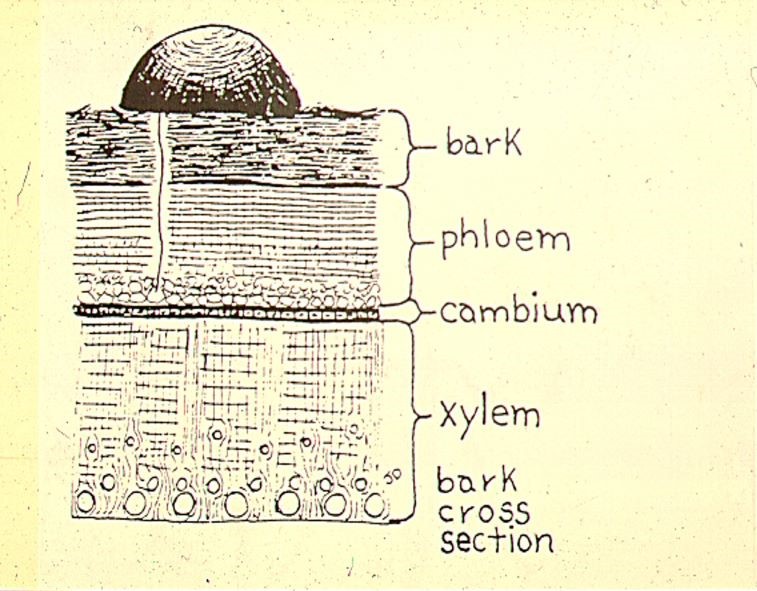
Soft Scale Species Controls (June & July): Compared to armored scales, the soft scales are relatively easy to suppress with either contact sprays or systemic treatments. Some of the common landscape soft scale species in NJ include calico, Fletcher, Indian wax, cottony maple, cottony camellia, spruce bud, European fruit lecanium, pine tortoise, striped pine, magnolia, & tulip tree. Although large soft scale adult females are more difficult to control, the immature nymphs are often vulnerable to sprays when good coverage is achieved. However, there are some species that have proven to be more challenging to control. Two good examples include the calico scale & Indian wax scale species. Horticultural oil sprays are often recommended to control immature scale nymphs, but sometimes against the calico & Indian wax species the efficacies are less consistent. This blog will first review soft scale management options & then show photographs & discuss the life cycles of the following soft scale species with crawlers emerging during June & July: (1) Indian wax, (2) calico, (3) cottony camellia, (4) spruce bud, & (5) Fletcher.

Drawing of a soft scale feeding on woody bark. All soft scale species suck sap from phloem vascular tissues. (Drawing Credit: John Davidson, University of Maryland)

[Read more…]

Nursery – Pest Scouting Guide for June, Boxwood blight advisory, survey requests

BOXWOOD BLIGHT

There is an immediate potential for boxwood blight June 4/5th throughout NJ.

Preventative / protective fungicide applications should be initiated and continued in high value crops

Boxwood Blight risk-model information, considerations, and links:

Boxwood Blight Risk Assessment as of 6/1/2021
Region Location CODE 1-Jun 2-Jun 3-Jun 4-Jun 5-Jun 6-Jun
Southern Upper Deerfield NJ50 Very Low  Very Low  Low  Infection Risk Infection Risk Low 
Central Howell / Freehold NJ10 Low  Very Low  Low  Infection Risk Infection Risk Low 
Northern High Point NJ59 Very Low  Very Low  Low  Infection Risk High Risk Low 
Please check your local boxwood blight risk here (click here and type in your area code – select closest station)


Wednesday 5/4/21 -PPA Post regarding boxwood blight activity (click here)

  • These advisories are general in nature and change rapidly so someone from your business should be using this risk model (CLICK HERE) daily if boxwood is important to your financial stability – In 30 seconds you can have a better idea of boxwood blight (and other pathogen) activity in your immediate area!
    • (click on the link – input area code – select closest weather station – check 7-14 prediction – click on graph / table) 


NURSERY PEST SCOUTING GUIDE – JUNE

Please download and print this pest scouting guide resource: (click on the link and then print)

To determine your local growing degree-days, please review this postObtaining your local growing degree-day information”

Projected GDD50 accumulation as of 6/1/2021
Region Location 1-Jun 1-Jul 1-Aug 1-Sep 1-Oct
Southern Upper Deerfield (NJ50) 590 1283 2125 2910 3456
Central Howell / Freehold (NJ10) 438 1078 1873 2607 3085
Northern High Point (NJ59) 353 837 1444 1999 2305
Forecast: NOAA NCEP Coupled Forecast System model version 2 (CFSv2) forecast system (3.5 months) (USPEST.ORG)


Nursery Pest Scouting – Growing Degree-day Ranges (500-1300 GDD50)
CROP TYPE Common Name Scientific Name GDD Min (50F) GDD Max (95F) Reference Developmental / Target Stage
Many Spotted Lantern Fly Lycorma delicatula 250 1000 PA Dept. Ag 1st-4th Instar (nymphs) – control target
Conifer European pine shoot moth Rhyacionia buoliana 480 710 5 Larvae Treatment
Malus, Prunus, many Peach Tree Borer Synanthedon sp. 500 600 RU Adults – emerge (1st treatment both types)
Rhododendron Rhododendron Borer Synanthedon rhododendri 509 696 RU Adults emerge
Many Redheaded flea beetle Systena frontalis 517 1028 Unv. Del Adults – feeding / laying eggs
Many Cottony camellia / taxus scale Pulvinaria floccifera 520 6 Crawlers (1st generation)
Birch Birch Leafminer Fenusa pusilla 530 700 RU Larvae (2nd generation)
Oak Oak blotch leafminers Cameraria spp. ; Tisheria spp. 533 912 5 Typical treatment window
Maple Greenstriped mapleworm Dryocampa rubicunda 533 1645 5 Control target
Conifer Arborvitae Leafminer Argyresthia thuiella 533 700 RU Adults (egg laying) – larvae treatments
Euonymus Euonymus Scale Unaspis euonymil 533 820 RU Crawlers (1st generation)
Conifer Balsam gall midge Paradiplosis tumifex 550 700 4 Galls apparent
Conifer Juniper scale Carulaspis juniperi 550 700 7 Egg hatch
Malus, Prunus, many Greater peach tree borer Synanthedon exitiosa 575 710 4 Adult emergence
Conifer Cryptomeria scale Aspidiotus cryptomeriae 600 800 3 First crawler emergence
Conifer Cooley spruce gall adelgid Adelges cooleyi 600 1000 7 Nymphs active – Douglas fir (control target)
Conifer Bagworm Thyridopteryx ephemeraeformis 600 900 RU Larvae (early instars) – ONLY CONTROL WINDOW
Conifer Cryptomeria scale Aspidiotus cryptomeriae 600 800 RU Crawlers (1st generation)
Elm Elm leaf beetle Xanthogaleruca luteola 600 1300 7 Larvae (2nd generation)
Conifer Spruce budscale Physokermes hemicryphus 700 1150 4 Crawlers (1st generation)
Many White prunicola scale Psedaulacaspis prunicola 707 1151 RU Crawlers (1st generation)
Conifer Juniper scale Carulaspis juniperi 707 1260 RU Crawlers (1st generation)
Many Calico scale Eulecanium cerasorum 714 6 Crawlers (1st generation)
Conifer Striped pine scale Toumeyella pini 750 800 4 Egg hatch
Turf Hairy cinch bug Blissus leucopterus 765 870 RU 1st generation (50% – 2nd instar)
Oak, hickory, birch, many Oak leacanium scale Parthenolecanium quercifex 789 6 Crawlers (1st generation)
Rhododendron Azalea Lacebug Stephanitis pyrioides 802 1029 RU Eggs / Nymphs 3rd Generation
Many, shadetrees Cottony maple scale Pulvinaria innumerabilis 802 1265 RU Crawlers (1st generation) – control target
Oaks Oak spider mites Oligonychus bicolor 802 1265 RU All Stages
Many Roundheaded appletree borer Saperda candida 802 1129 RU Adults
Oaks Golden oak scale Asterolecanium variolosum 802 1266 5 Egg hatch
Acer Cottony maple leaf scale Pulvinaria acericola 802 1265 5 Crawlers (1st generation)
Maples Japanese maple scale Lopholeucaspis japonica 829 6 Crawlers (1st generation)
Elm European elm scale Gossyparia spuria 831 1388 6,2 Crawlers (1st generation)
Mimosa, Honeylocust Mimosa webworm Homadaula anisocentra 880 RU Larvae (1st generation)
Turf Bluegrass billbug Sphenophorus parvulus 884 1003 RU Larvae 20%
Turf N. Masked chafer Cyclocephala borealis 898 905 RU 1st adults
Honeylocust Honeylocust mite Eotetranychus multidigituli 912 1514 2 All Stages
Honeylocust Honeylocust spider mite Platytetranychus multidigituli 912 1514 5 Typical treatment window
Shade trees European fruit lecanium Parthenolecanium corni 932 1645 6,RU Crawlers  – control target
Many Japanese beetle Popillia japonica 950 2150 7 Adult emergence and feeding
Conifer Pine tortoise scale Toumeyella parvicornis 1000 1200 4 Egg hatch ends, last of crawlers
Ash Emerald ash borer Agrilus planipennis 1000 1200 4 Peak adult activity
Many Redheaded flea beetle Systena frontalis 1028 1570 Unv. Del 2nd generation of un-hatched eggs
Yew, many conifers Fletcher Scale (Yew) Parthenolecanium fletcheri 1029 1388 RU Crawlers (1st generation) – control target
Locust Locust leafminer Odontota dorsalis 1029 1388 RU Adults
Juglandaceae Walnut Caterpillar Datana integerrima 1029 1514 2 Larvae Treatment
Many Indian wax scale Ceroplastes ceriferus 1145 6 Crawlers (1st generation)
Many Oriental Beetle Anomala orientalis 1147 6 Adult emergence
Euonymus Euonymus Scale Unaspis euonymil 1150 1388 5 2nd generation targeted treatments
Dogwood Dogwood sawfly Macremphytus tarsatus 1151 1500 RU Larvae Treatment
Tulip Tuliptree aphid Illinoia liriodendri 1151 1514 RU Nymphs / adults
Conifer Northern pine weevil Pissodes nemorensis 1200 1400 4 2nd generation adults active
Conifer Pine root collar weevil Hylobius radicis 1200 1400 4 2nd generation adults active
Conifer White pine weevil Pissodes strobi 1200 1400 4 2nd generation adults active
Boxwood Boxwood leafminer Monoarthropalpus flavus 1200 1400 5 Larvae Treatment
Conifer Pine Needle Scale Chionaspis pinifoliae 1250 1350 7 Crawlers (2nd generation)
Rhododendron Azalea whitefly Pealius azaleae 1250 1500 5 Adults/nymphs
Many Lacebugs ( on hawthorn) Corythucha cydoniae 1266 1544 RU Nymphs / adults
Many Leafhoppers Species within Cicadellidae 1266 1544 RU Nymphs / adults
Many Fall webworm Hyphantria cunea 1266 1795 2 Caterpillars present – larvae treatment
Privet Privet rust mite Aculus ligustri 1266 1515 5 Second typical treatment window
Many Two spotted spider mite Tetranychus urticae 1300 2000 RU Nymphs / adults
Conifer Cooley spruce gall adelgid Adelges cooleyi 600 1000 7 Nymphs active – Douglas fir (control target)
RU Rutgers Cooperative Extension – Landscape IPM Notes
2 http://ccetompkins.org/resources/using-growing-degree-days-for-insect-management
3 https://extension.psu.edu/ipm-basics-for-christmas-trees#section-2
4 https://www.canr.msu.edu/ipm/agriculture/christmas_trees/gdd_of_conifer_insects
5 https://www.agriculture.nh.gov/publications-forms/documents/landscape-pests.pdf
6 https://extension.umd.edu/ipm/pest-predictive-calendar-landscapenursery
7 https://www.canr.msu.edu/ipm/agriculture/christmas_trees/gdd_of_landscape_insects
Unv. Del. Coorespondance with Dr. Kunkel (University of Delaware)
Compiled 6-1-2021 – Timothy J. Waller, Ph.D. – Rutgers Cooperative Extension, Cumberland County Nursery Crops – twaller@njaes.rutgers.edu


SURVEY REQUESTS

Phytophthora sampling project – grower collaborators wanted 

Please answer a few questions if you would like to be included in a statewide Phytophthora in Conifer Nurseries sampling project 

Redheaded Flea beetle NJ specific survey: 

Please fill out this brief survey if you are experiencing damages due to Redheaded flea beetle (RHFB)

Contact – Timothy J. Waller – twaller@njaes.rutgers.edu for more information
Some Key Armored Scales & Crawler Emergence

A Large-Scale Dilemma

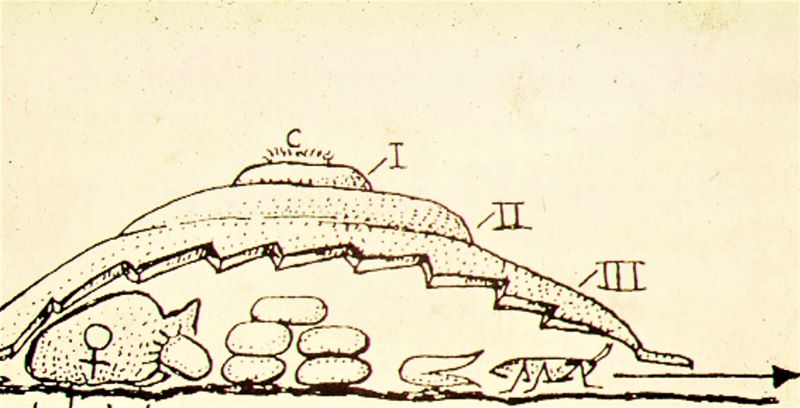
Drawing shows a shrinking female armored scale laying eggs. Waxy covers of each of the 3-instars are pushed above the other. Crawlers emerge from the female cover through the one-way flap. (Drawing Credit: John Davidson, Univ. of MD)


Undoubtedly many arborists, landscapers, nurserymen, and golf course superintendents would agree that effectively controlling scale insects is one of the more frustrating pest management challenges encountered. Of the half-dozen major families of scale insects common in the urban landscape, the armored scales are the most troublesome. With their protective waxy covering, armored scales are considerably less susceptible to various insecticide spray treatments.


Reddish colored crawlers of Pine Needle Scales emerging out from under female waxy covers. (Photo Credit: Ohio State Coop. Ext.)

Historically, many pesticide spray applicators fail to achieve satisfactory controls because they do not have the time or inclination to apply sprays during the scale crawler emergence periods. To complicate matters, the crawler periods for the various armored scale species are quite variable. Furthermore, the improper timing of long residual pyrethroid insecticides can virtually eliminate important parasitoid bio-control activity and hence, often encourage scale infestations. The intention of this blog is to stress the importance of properly timed treatments to achieve better management of scale insects. This is especially true when attempting to control armored scales.

Despite the complications stated above, fortunately some relatively newer insecticides have given improved abilities for scale controls. These newer materials & the life cycles of 5-armored scale species will be covered in this blog. The scales covered include: 1-Euonymus scale; 2-Cryptomeria scale; 3-Japanese maple scale; 4-White Prunicola scale; & 5-Juniper scale.

[Read more…]