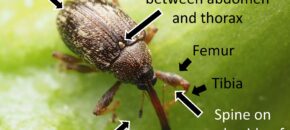
This week we saw our first pepper weevil of the season in Hammonton NJ. It’s a good idea to be on the lookout for pepper weevil — read more to learn what to look for.
Continue reading...Rutgers Cooperative Extension
This week we saw our first pepper weevil of the season in Hammonton NJ. It’s a good idea to be on the lookout for pepper weevil — read more to learn what to look for.
Continue reading...While visiting some grass hay fields across the state I have encountered several fields where cutting height was too low. While we all want to get the maximum yield possible from our fields, cutting too low can have negative impacts. Disk mowers allow the crop to be cut very close to the ground, in some […]
Continue reading...We are in a period of high temperatures which will result in poor pollination, blossom drop or poor fruit set. Day temperatures over 90F and night temperatures over 70F reduce fruit set. In fact, three hours at 104F on two consecutive days will result in poor fruit set. These temperatures may sound high, but if […]
Continue reading...There have been reports of southern blight caused by Athelia rolfsii (formerly Sclerotium rolfsii) in tomato and pepper in southern New Jersey. For more information on Southern blight and Timber rot please click here. Phytophthora blight has been reported on multiple crops in New Jersey. There have been no reports of cucurbit downy mildew in […]
Continue reading...
Dangerous heat will impact NJ and the region this week, with maximum air temperatures Wednesday to Saturday forecasted to reach the mid-90s to 105 degrees. The heat index, which factors in relative humidity, is expected to soar as high as 110 degrees. As a result, an Extreme Heat Warning has been issued for the majority […]
Continue reading...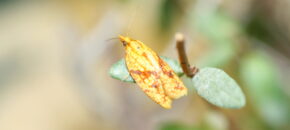
Dr. Cesar Rodriguez-Saona, Extension Specialist in Blueberry Entomology, Rutgers University Dr. Yahel Ben-Zvi, Post-doctoral Researcher, Rutgers University If needed, post-pollination sprays—particularly for Sparganothis fruitworm (Picture 1) and spotted fireworm (Picture 2)—should be applied as soon as bees are removed. Sparganothis fruitworm is monitored using pheromone traps to assess adult flight activity and abundance. If trap […]
Continue reading...