This week we saw our first pepper weevil of the season in Hammonton NJ. It’s a good idea to be on the lookout for pepper weevil — read more to learn what to look for. Pepper weevil is a serious pest in NJ pepper production. It does not overwinter in our region, instead arriving most years in shipments of infested peppers that come to NJ for repacking or processing. We monitor for the pest (see figure 1A-C) by request and in hot spot areas that often see outbreaks of pepper weevils. When we find a pepper weevil on a farm, that farm then needs to begin a regular spray program in order to prevent serious yield losses. In the past, NJ growers have experienced as much as 100% yield loss from pepper weevil when left unmanaged.

Fig 1. Monitoring for pepper weevil. We use large yellow sticky cards baited with pepper weevil aggregation pheromones and check traps twice a week. Sticky cards should be located in high-traffic areas of plantings, especially near busy roads. A) Sticky cards should be placed at about canopy height at the ends of rows, B) a cell phone picture of a pepper weevil on a sticky card, C) a pepper weevil on a sticky card showing distinctive white patch of hairs and rounded body. Pictures by Maria Cramer.
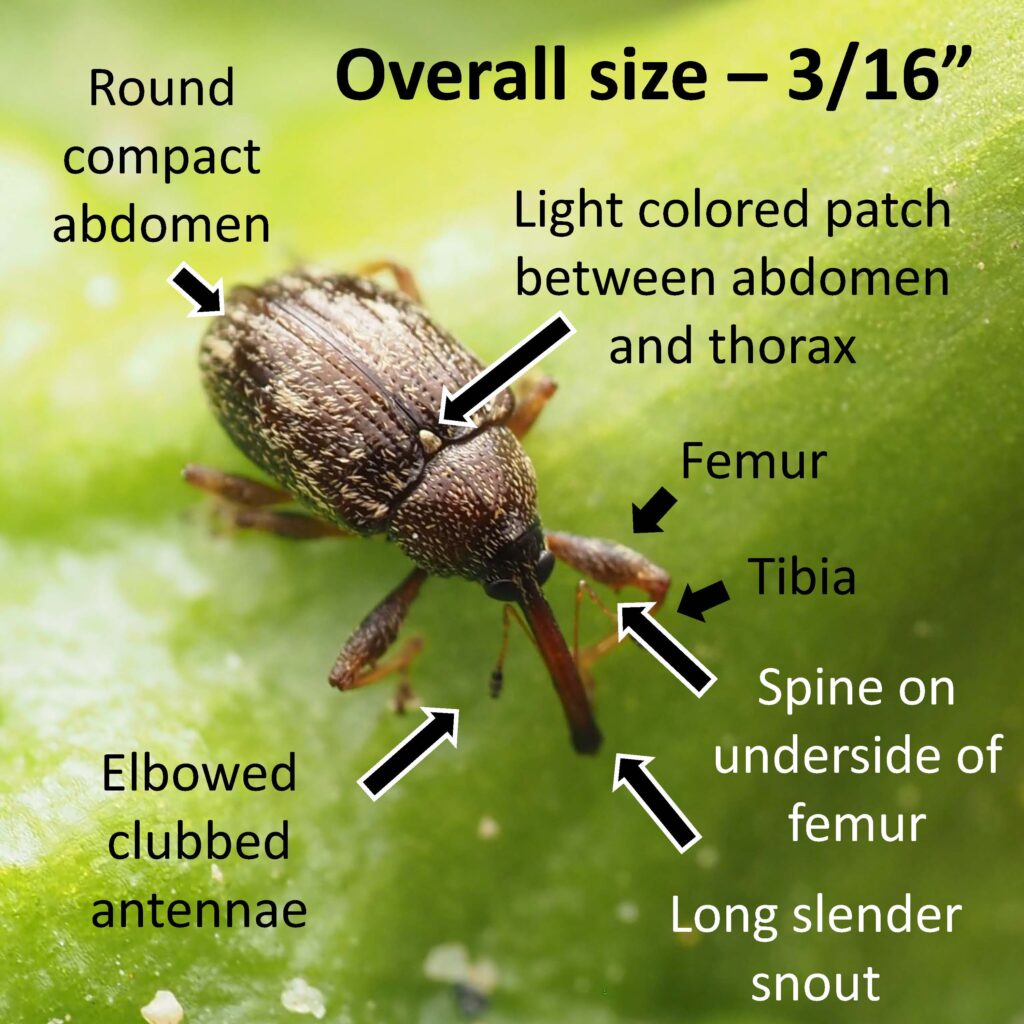
Fig 2. Pepper weevil identification. Picture by Maria Cramer.
Pepper weevils are particularly hard to control because only the adult stage can be reached by insecticides. The egg, larva, and pupa are all within pepper fruits (Fig 3). Generally, when a pepper fruit is infested with a pepper weevil larva it will be aborted by the plant. Immature healthy fruits on the ground is a sign of pepper weevil infestation. Cut open fruit and look for larvae or pupae.

Fig. 3. Immature pepper weevils inside pepper fruit. A) A pepper weevil larva, also called a grub, B) a pepper weevil pupa. Pictures by Maria Cramer.
If you are interested in pepper weevil monitoring, please contact us with the form below. To learn more about pepper weevil monitoring and management, see Rutgers Cooperative Extension’s fact sheet.



