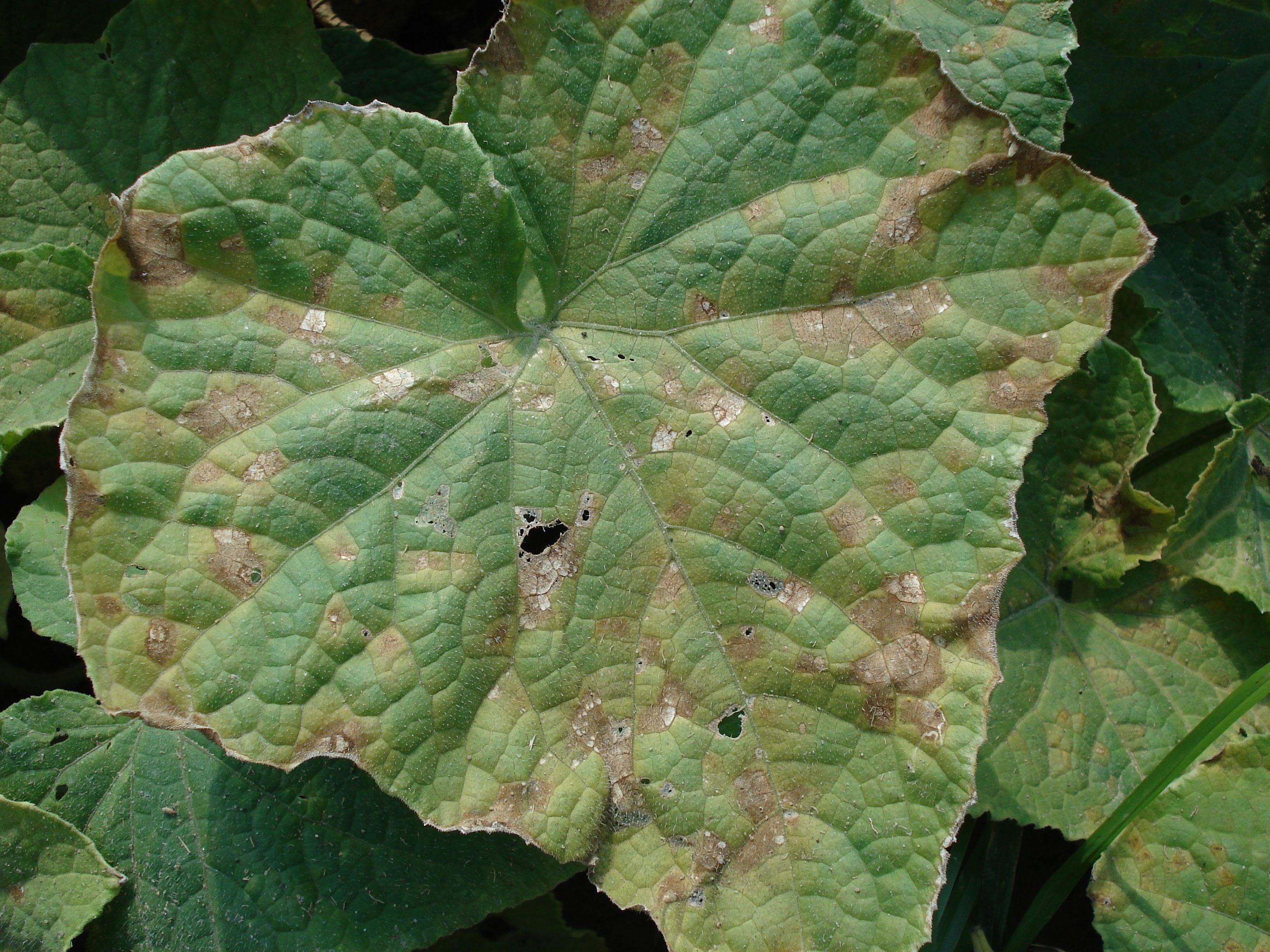
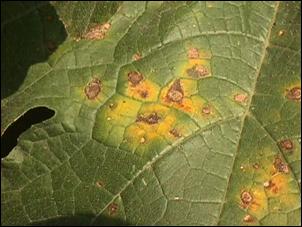
It’s a little early in the season but now is a good time to start thinking about ways to help mitigate cucurbit downy mildew pressure later on. All cucurbit fields, especially cucumber and other summer squash fields should be destroyed immediately after the last harvest to help limit potential inoculum sources for cucurbit downy mildew. For a review of CDM control please click here. To track the progress of CDM on your phone or PC please visit the CDM forecasting website.
July 20, 2020 Andy Wyenandt
Destroying cucurbit plantings after harvesting is a must to help mitigate downy mildew
July 17, 2020 Andy Wyenandt
Vegetable Disease Update – 7/17/20
- Cucurbit downy mildew has been reported on cucumber in southern New Jersey. This is the first report in the state this growing season. There have been no reports of CDM in other cucurbit crops in the region to date. For a review of CDM control please click here. To track the progress of CDM on your phone or PC please visit the CDM forecasting website.
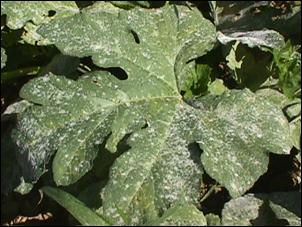
- Cucurbit powdery mildew (CPM) season is here. For a review of CPM control strategies please click here.
- All cucurbit plantings that are no longer in production should be destroyed immediately after the last harvest by mowing or with herbicide to reduce the risk of harboring of CDM, CPM, and virus.
- Virus has been reported in summer squash plantings.
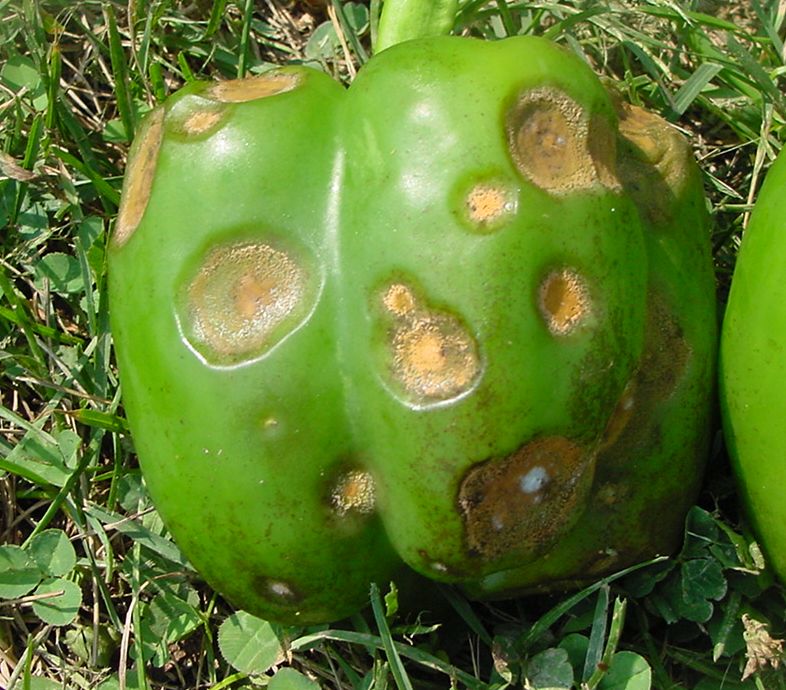
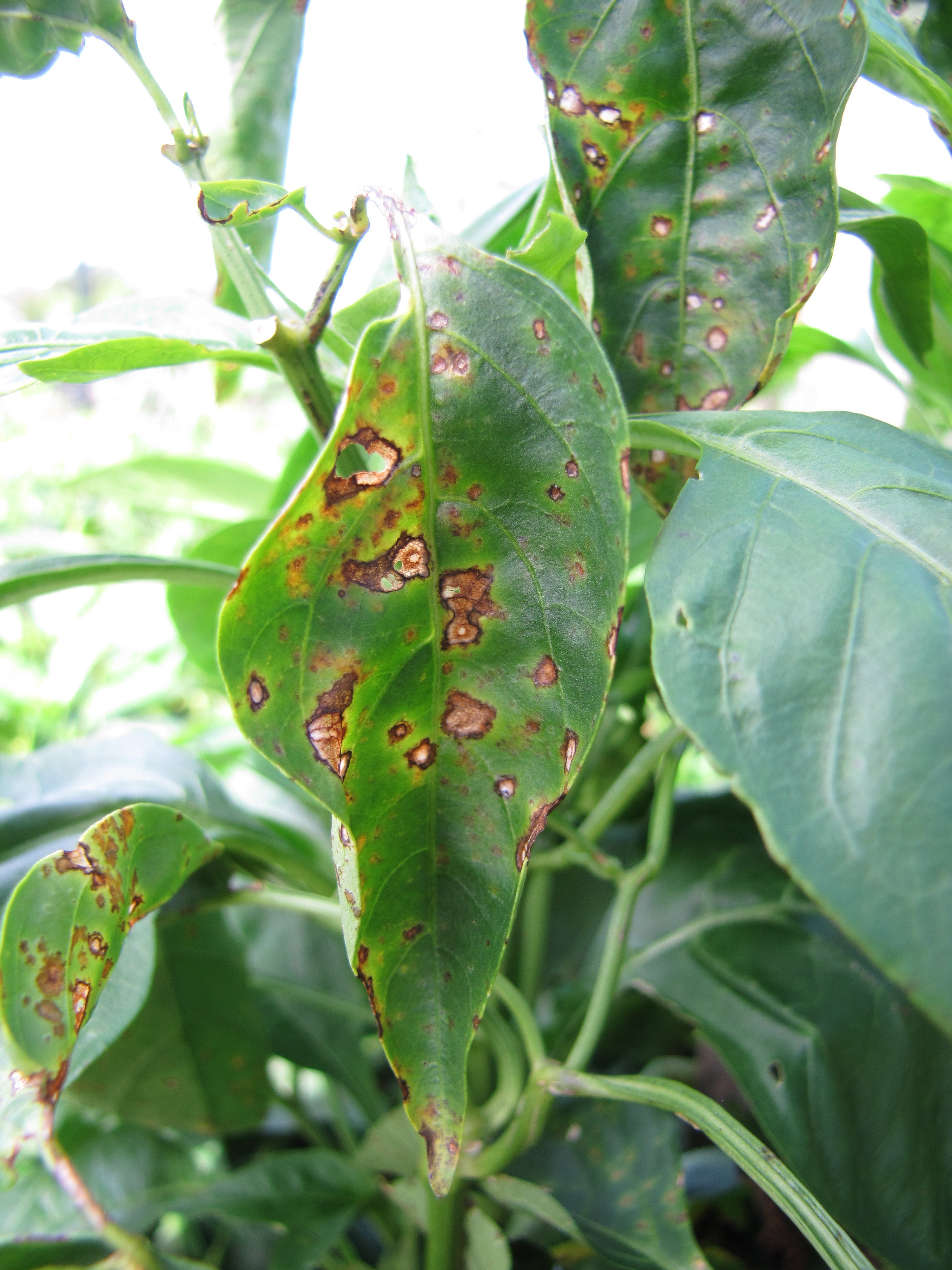
- Pepper anthracnose has been reported in southern New Jersey and is a serious problem in all bell and non-bell peppers, especially in fields with a history of the disease. For more information on controlling pepper anthracnose please click here.
- No reports of Late blight in region. To track the progress of Late blight in the US please click here.
- Collar rot caused by Alternaria has been reported again in tomato this week in New Jersey. It is the same pathogen that causes Early blight in tomato. Tomato growers who have not switched to more specific fungicides for Early blight and anthracnose fruit rot control should consider doing so. For more information from NCSU please click here.
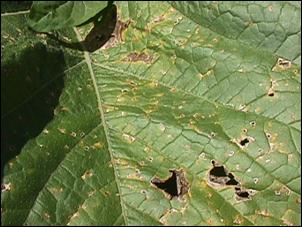
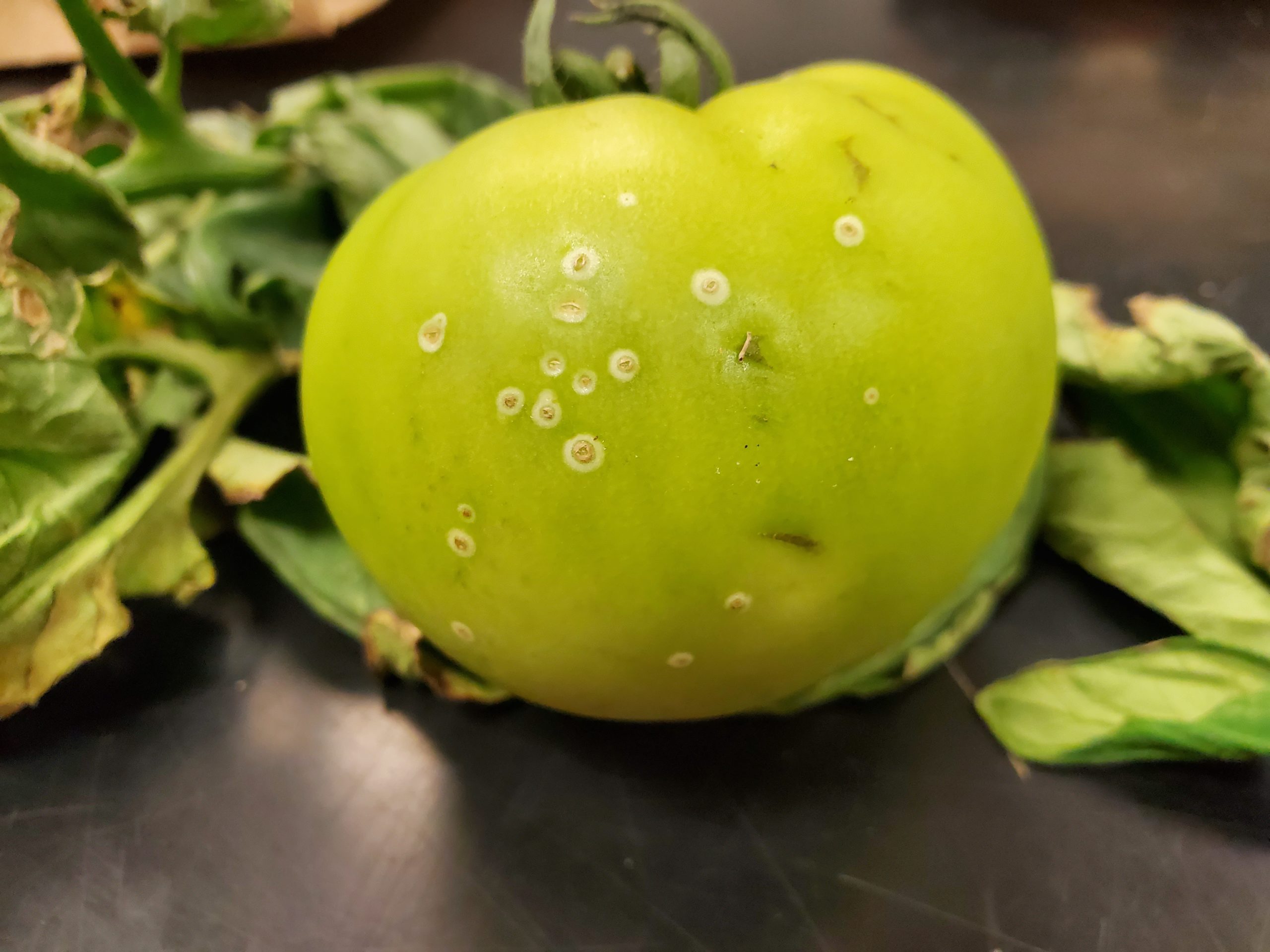
- Heavy infections of Angular leaf spot have been reported in summer squash this week. Look for angular lesions delimited by leaf veins and ‘shotholes’ in infected leaves that develop after periods of hot, dry weather.
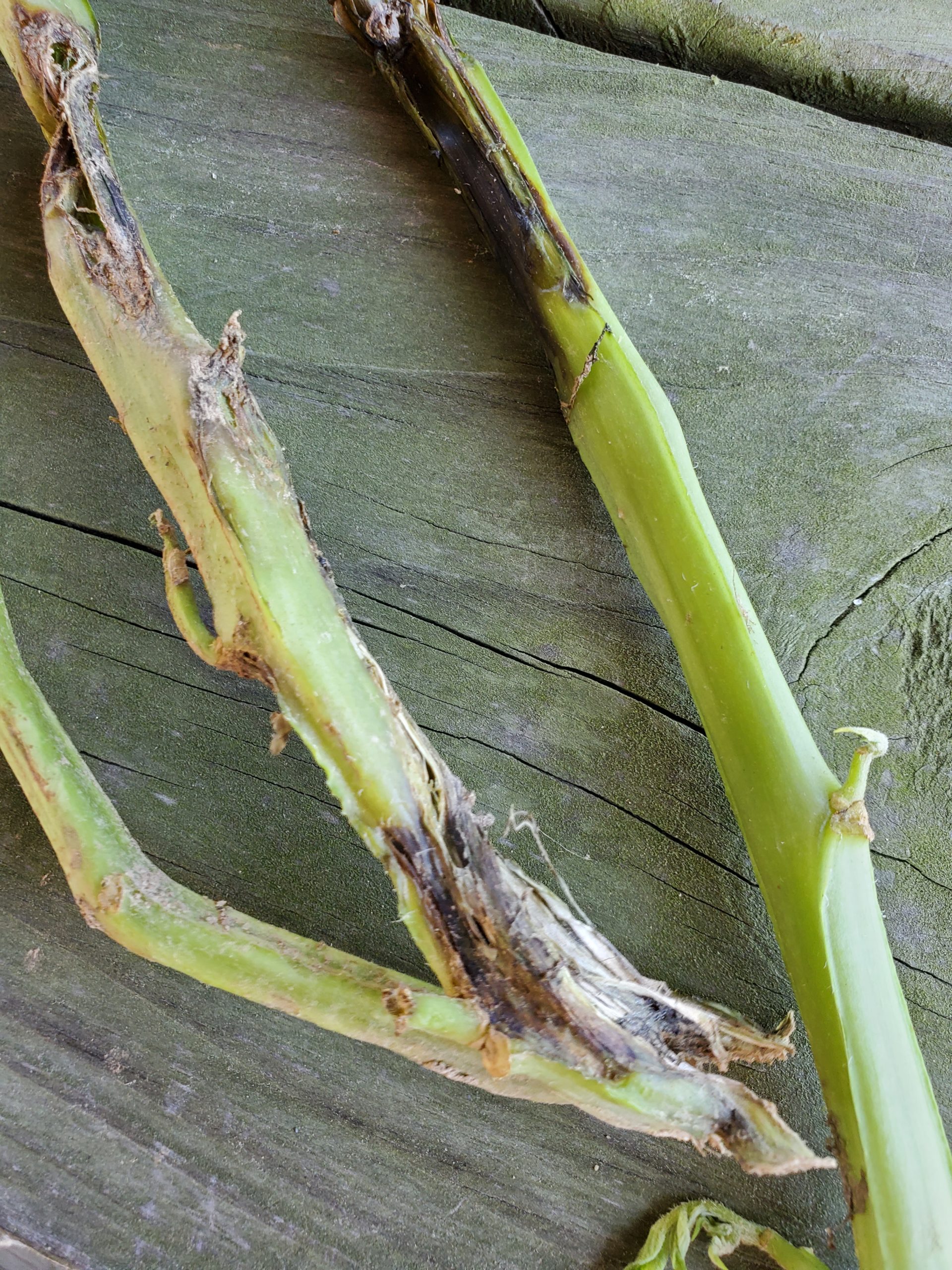
- Aerial stem rot has been reported on potato in southern New Jersey. The pathogen is an opportunistic bacterium in the field which infects vines that have been damaged by wind and heavy rains.
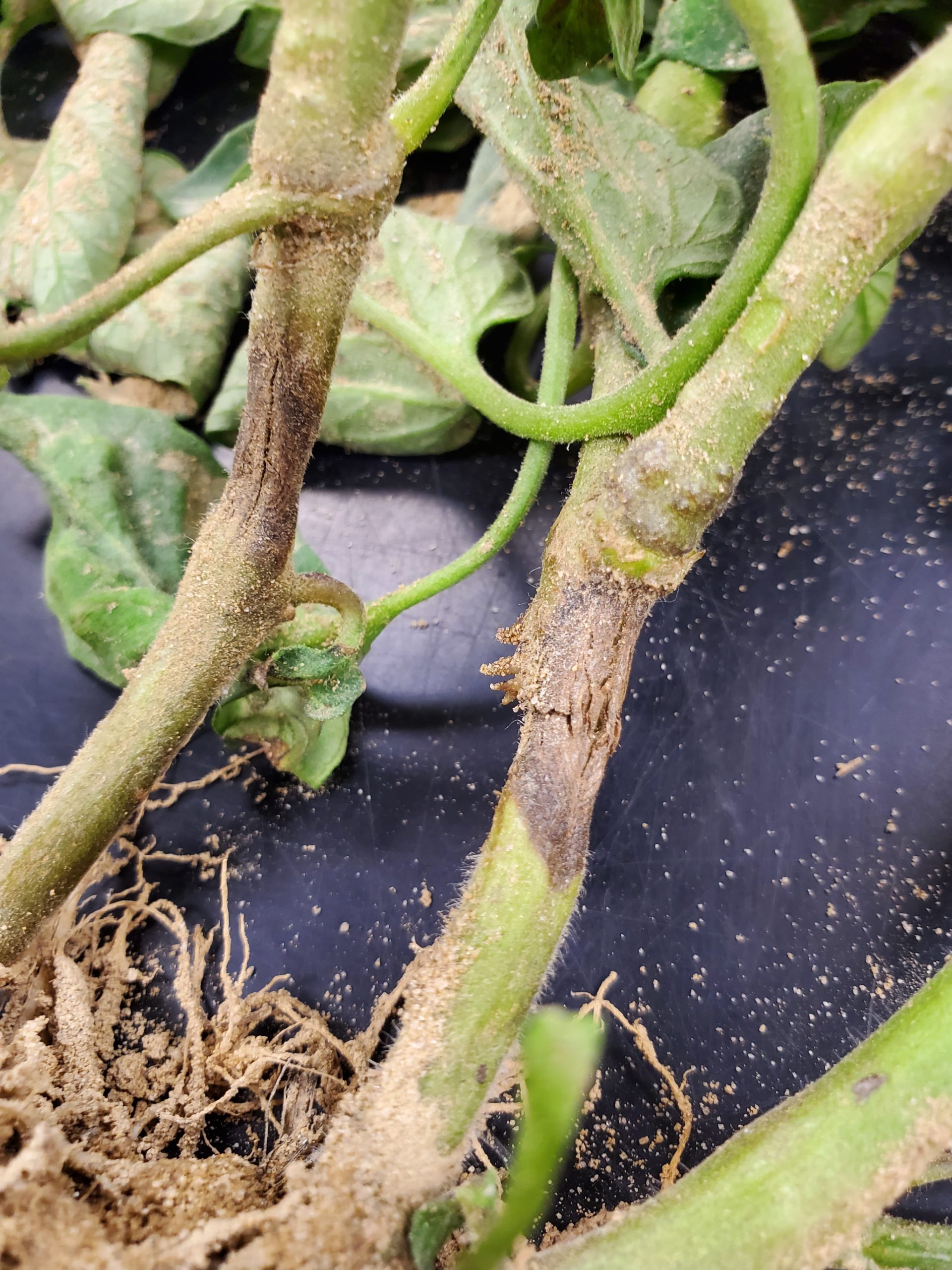
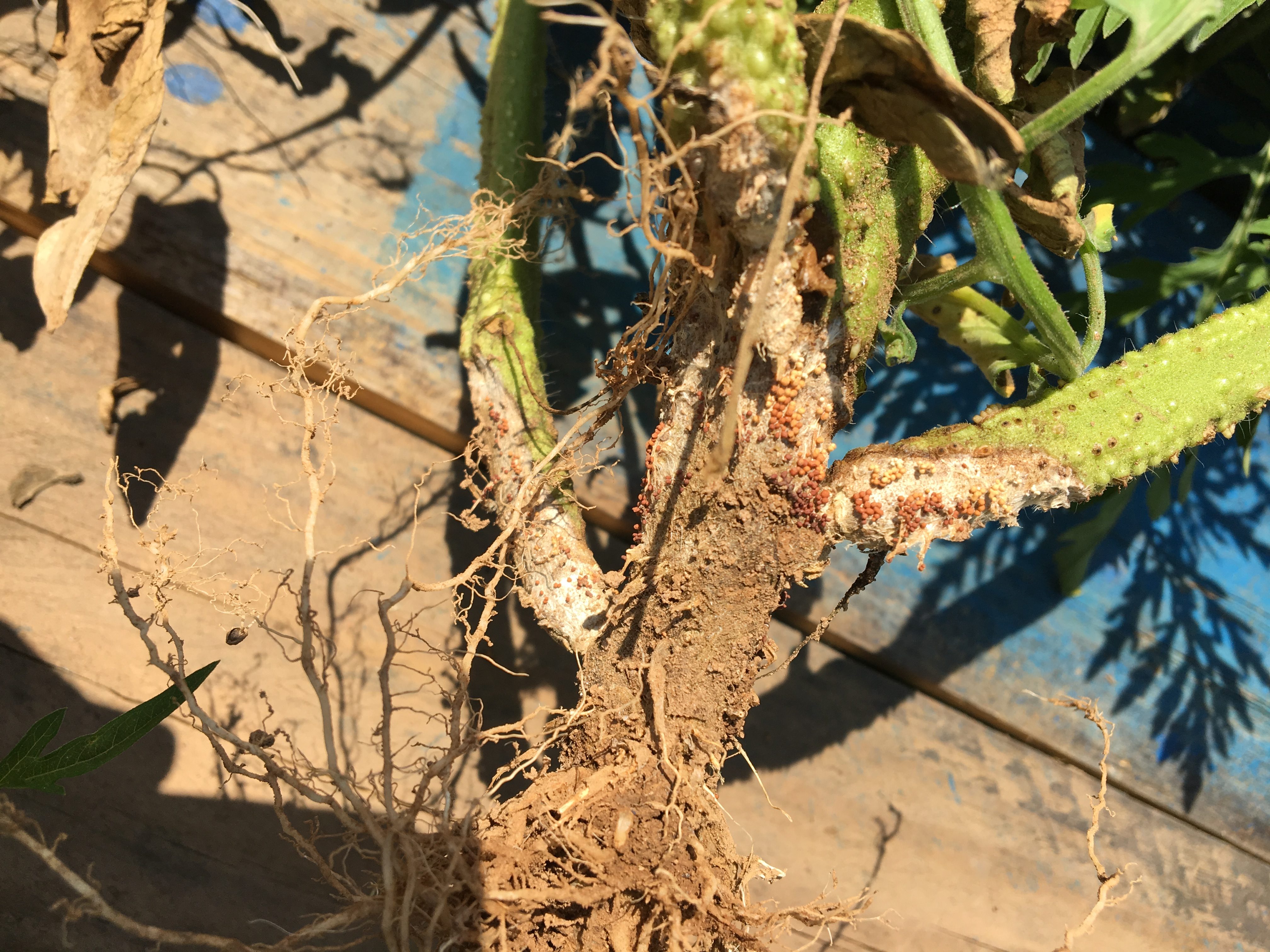
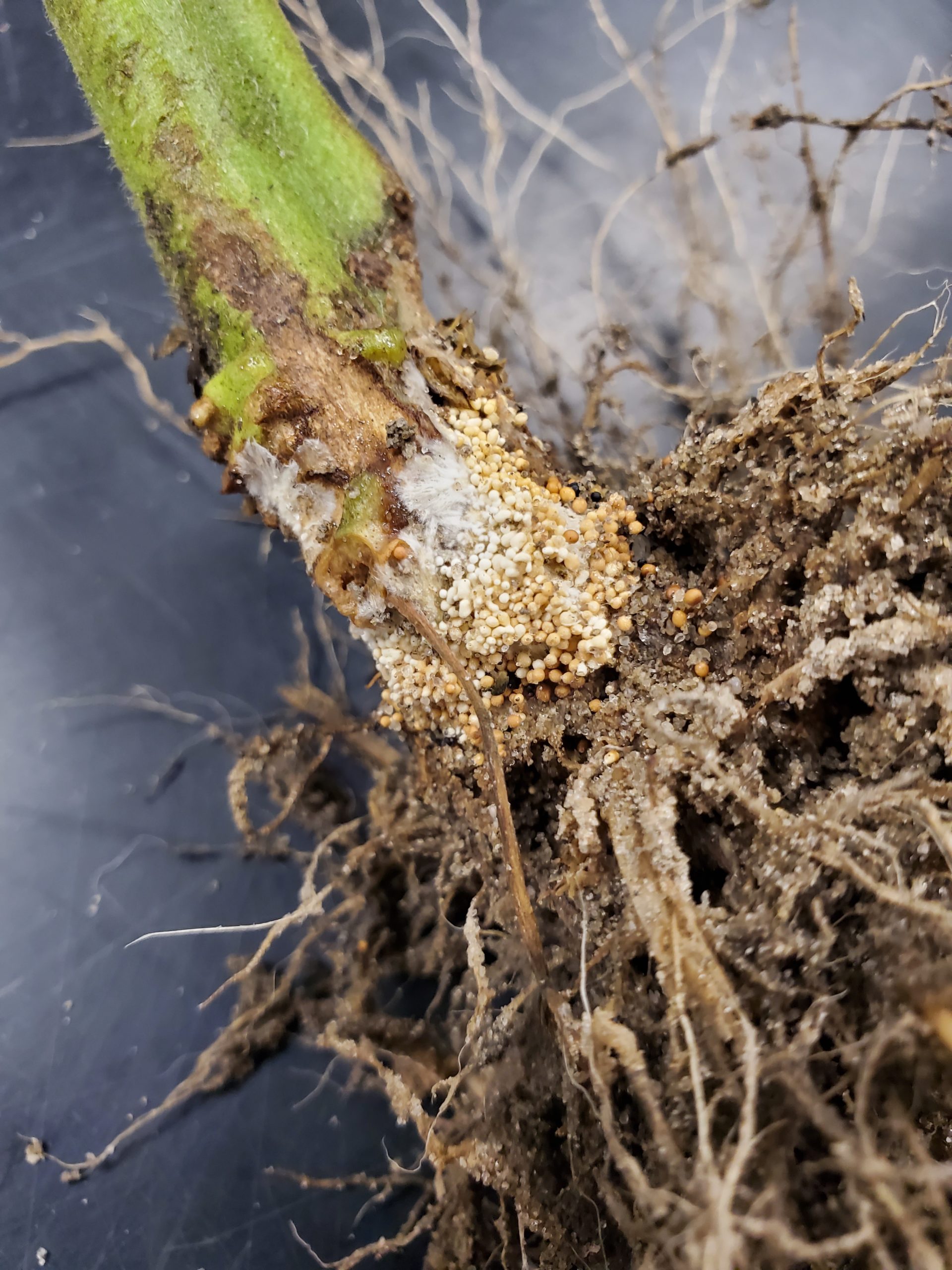
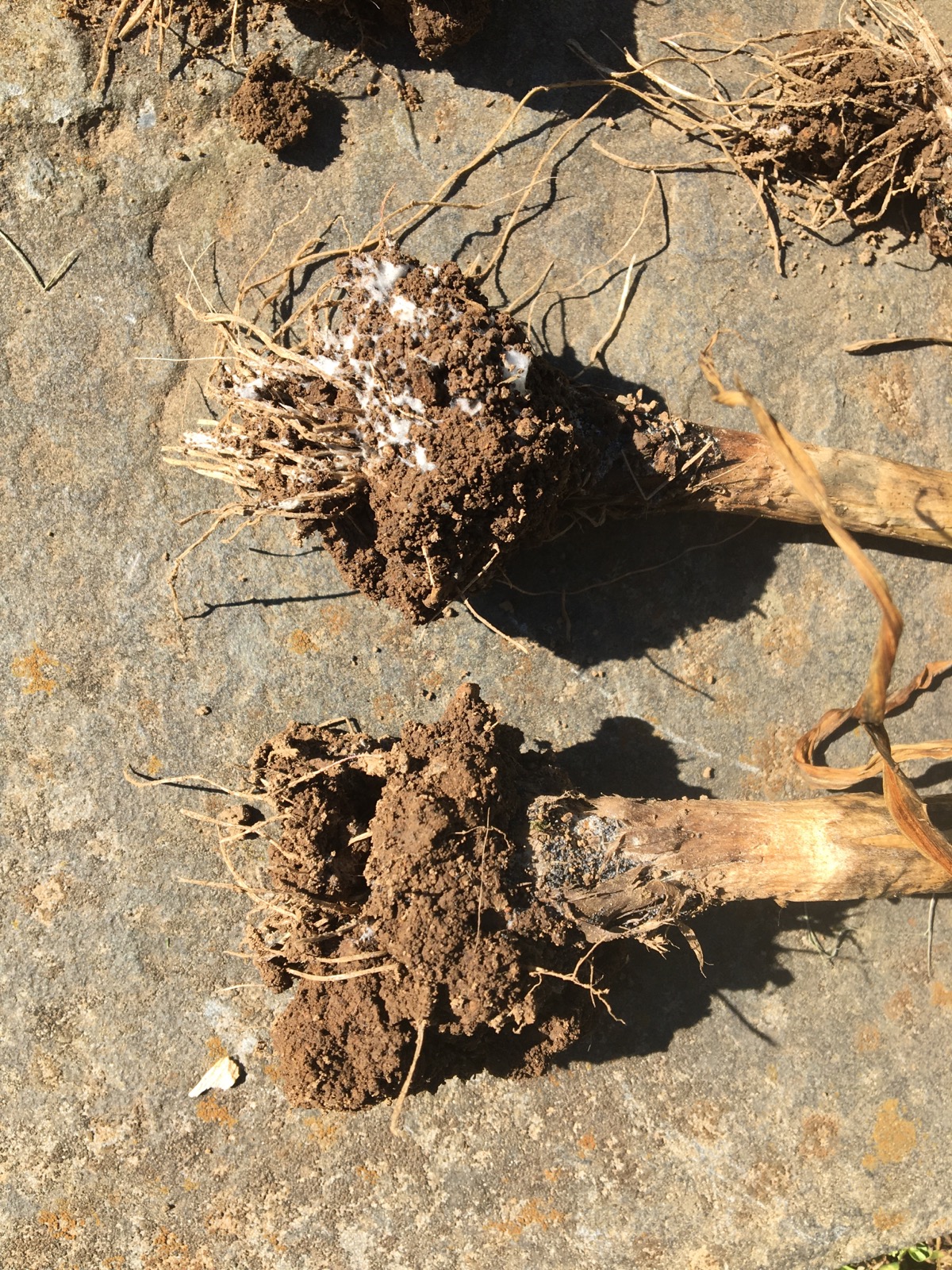
- There have been a few reports of Southern blight (Sclerotinia rolfsii) on tomato and pepper. Southern blight is much more common in vegetable areas south of the state where summer temperatures remain hotter (above 90°F) for longer periods of time. Like white mold, caused by Sclerotinia sclerotiorum, it can survive in the soil for many years. Symptoms of Southern blight include infection at the base of the stem at the soil-line. The resulting infection will girdle the plant causing wilt and death. The fungus will produce white, cottony mycelium and very small, spherical sclerotia which are often have a white to tannish, brown color as they mature. For more information on Southern blight from NCSU please click here.
- Rhizoctonia root and crown rot has been reported on sugar beet in southern New Jersey. For more information from the University of Idaho please click here.
- Bacterial leaf spot has been reported in pepper. For more information on BLS and copper resistance please click here.
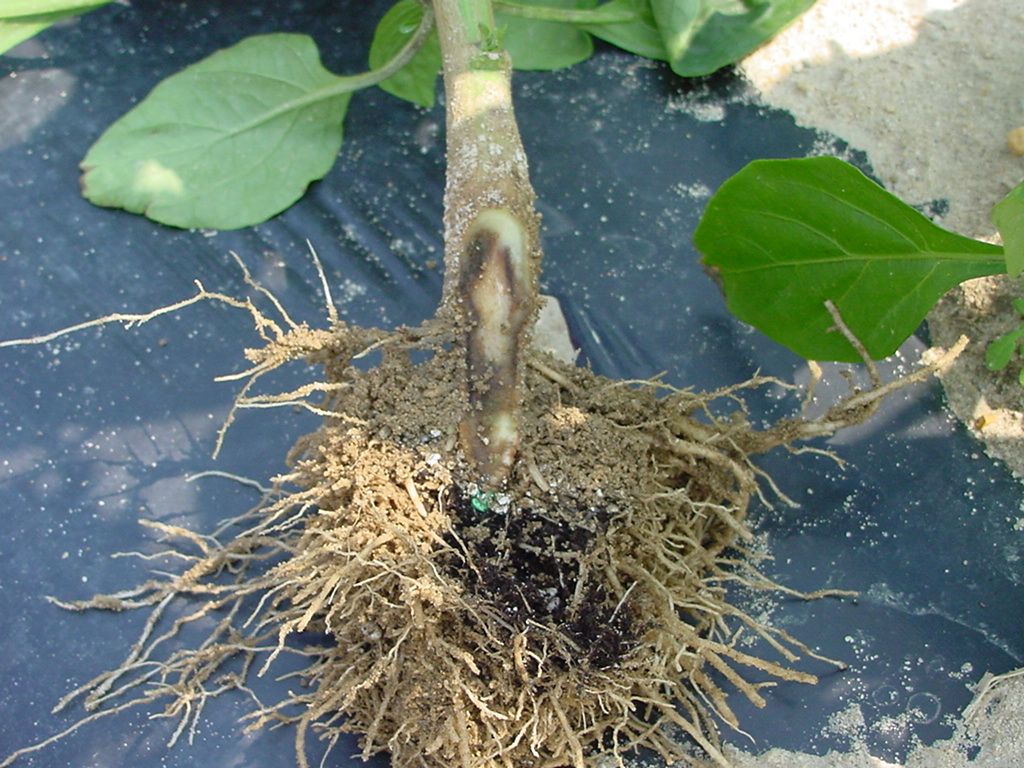
- Phytophthora blight has been reported in pepper and cucurbit crops. For more information please click here.
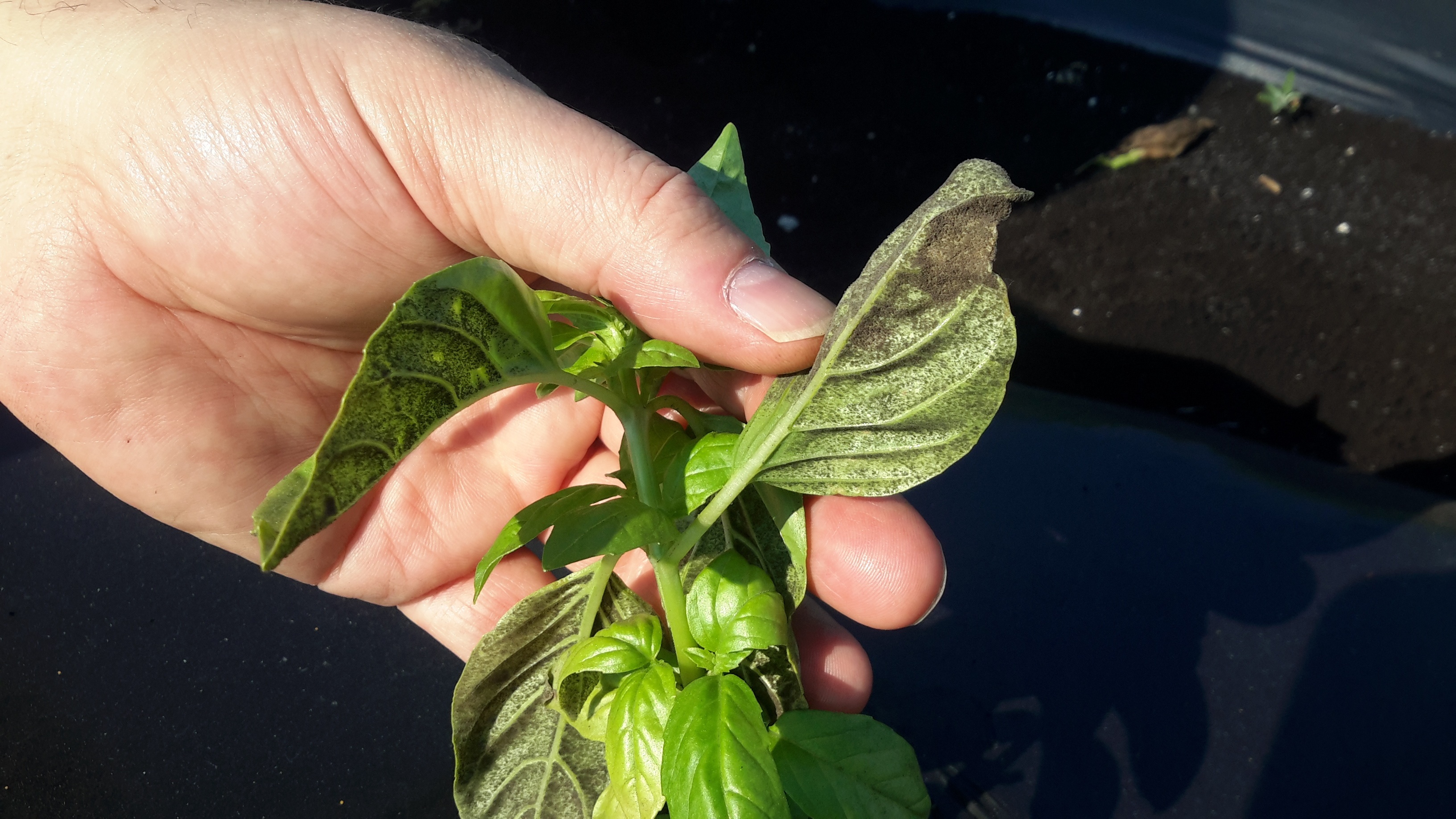
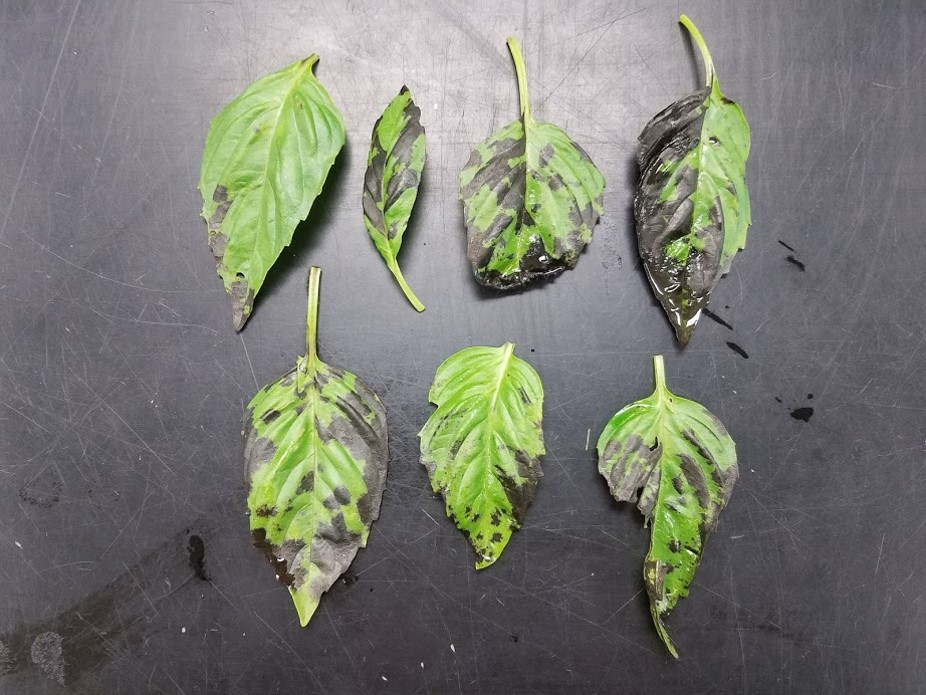
- Basil downy mildew (BDM) has been reported in southern New Jersey on BDM susceptible sweet basil. All growers are encouraged to initiate preventative fungicide programs on DMR and non-DMR basil. For control options and to follow the progress of BDM in the US on your phone or PC please click here.
- Downy mildew has been reported in kale seedlings in a hydroponic greenhouse in PA. As a note, kale and related crops should be scouted on a regular basis. For more information on downy mildew in brassica crops from UMASS-Amherst please click here.
- Bacterial canker has been reported in fresh-market tomato. For a review of bacterial canker in tomato please see report by Dr. Sally Miller at The Ohio State University by clicking here.
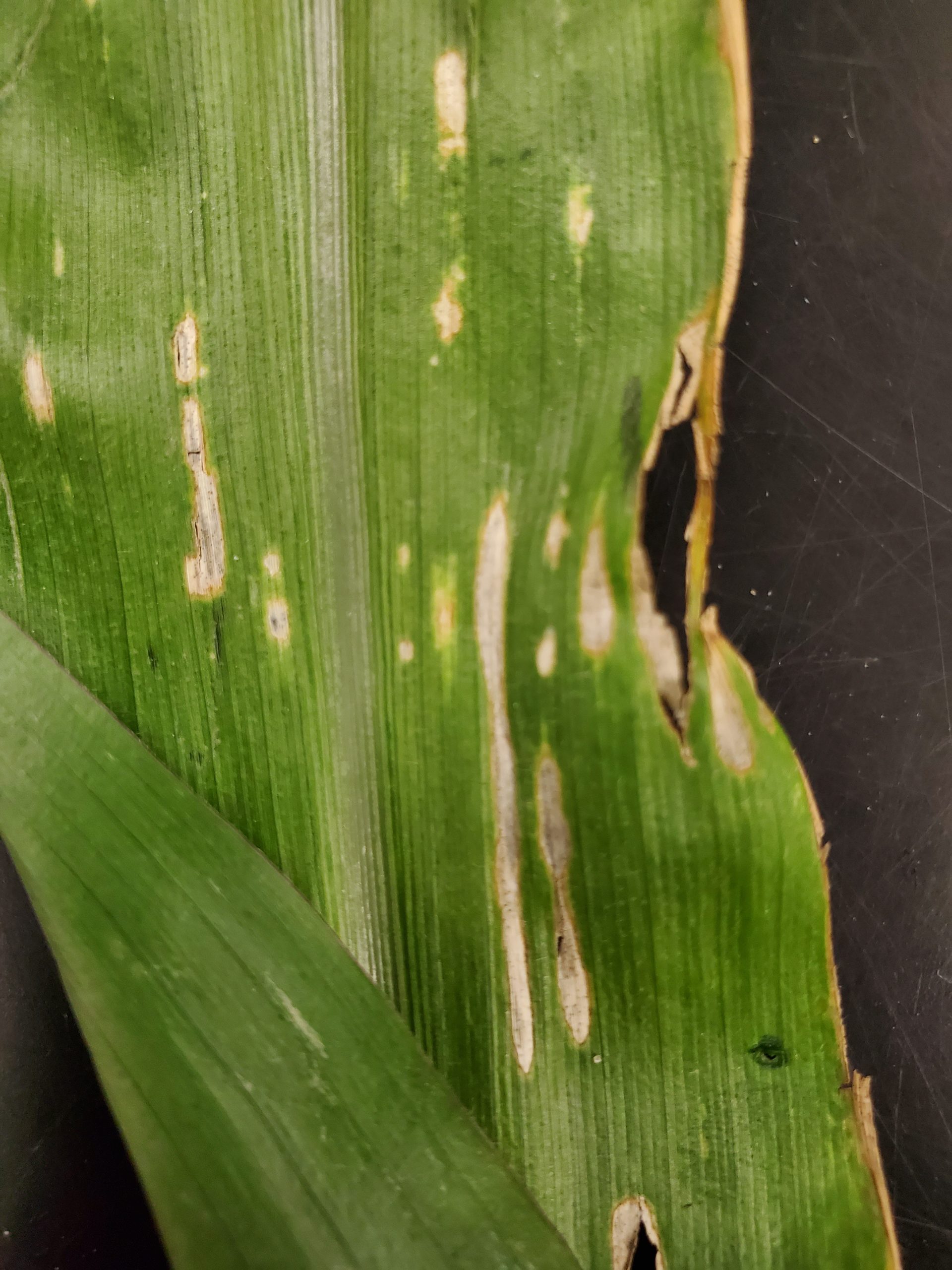
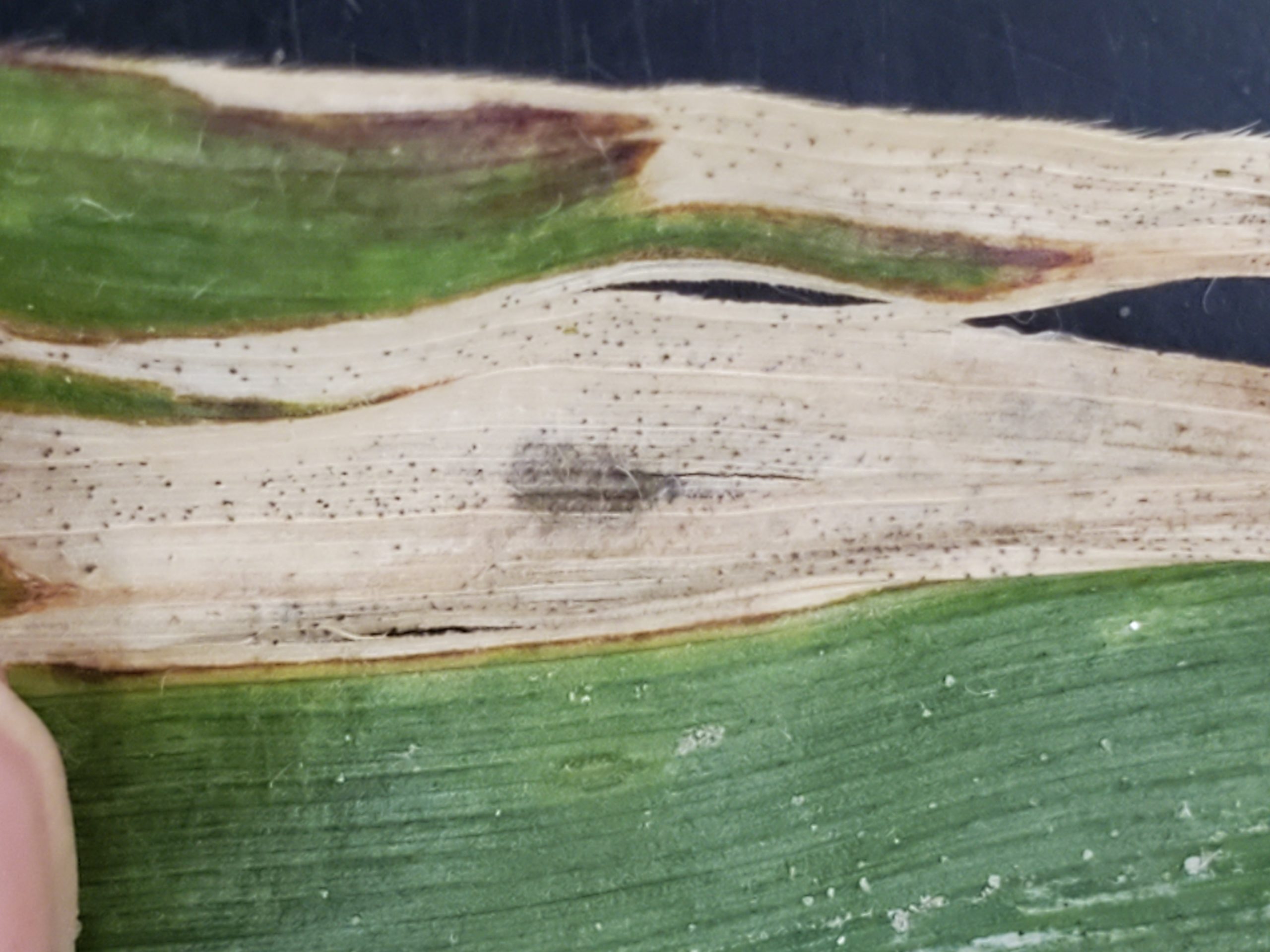
- Diplodia leaf streak, a fungal disease, was identified in sweet corn this past week. Symptoms include the development of numerous pycnidia which produce conidia within the lesions on infected corn leaves. For nice reviews, please see report by Dr. Kiersten Wise and colleagues from the University of Kentucky and report by Dr. Steve Johnson at the University of Maine.
- White mold, caused by Stromatina cepivorum, has been reported in garlic. For more information, please see report by Crystal Stewart and Frank Hay from Cornell University.
- Bacterial leaf spot has been reported in sweet basil. BLS of sweet basil is a relatively new disease of basil in the US. The bacterium has a large host range and can survive and overwinter in the soil on infested plant debris. Disease development is favored by hot, humid, rainy weather. Periods of hot, dry weather will help mitigate disease development.
- With the on and off again heavy rains we have been getting, along with warmer weather, all growers should consider applying at-transplanting fungicides for root rot control. Please click here to see these articles.
- For a quick review on managing fungicide resistance development using tank mixes and fungicide rotations, and information on FRAC group 4, FRAC group 7, and FRAC group 3 and FRAC group 11 fungicides please click on hyperlinks.
- For more information on the control of the diseases mentioned above please see The 2020/2021 Commercial Vegetable Production Recommendations Guide which is available for free online! With many county offices running reduced hours or being closed this is the easiest way to obtain the newest recommendations.
July 8, 2020 Andy Wyenandt
Vegetable Disease Update – 7/8/20
- Cucurbit downy mildew has been reported on cucumber in southern New Jersey. This is the first report in the state this growing season. For a review of CDM control please click here. To track the progress of CDM on your phone or PC please visit the CDM forecasting website.
- Cucurbit powdery mildew season is here. For a review of CPM control strategies please click here.
- No reports of Late blight in region. To track the progress of Late blight in the US please click here.
- Aerial stem rot has been reported on potato in southern New Jersey. The pathogen is an opportunistic bacterium in the field which infects vines that have been damaged by wind and heavy rains.
- There have been a few reports of Southern blight (Sclerotinia rolfsii) on tomato and pepper. Southern blight is much more common in vegetable areas south of the state where summer temperatures remain hotter (above 90°F) for longer periods of time. Like white mold, caused by Sclerotinia sclerotiorum, it can survive in the soil for many years. Symptoms of Southern blight include infection at the base of the stem at the soil-line. The resulting infection will girdle the plant causing wilt and death. The fungus will produce white, cottony mycelium and very small, spherical sclerotia which are often have a white to tannish, brown color as they mature. For more information on Southern blight from NCSU please click here.
- Collar rot caused by Alternaria has been reported on processing tomato in New Jersey. It is the same pathogen that causes Early blight in tomato. Tomato growers who have not switched to more specific fungicides for Early blight and anthracnose fruit rot control should consider doing so. For more information from NCSU please click here.
- Bacterial wilt has been reported in tomato in New Jersey.
- Rhizoctonia root and crown rot has been reported on sugar beet in southern New Jersey. For more information from the University of Idaho please click here.
- Bacterial leaf spot has been reported in pepper. For more information on BLS and copper resistance please click here.
- Pepper anthracnose is a serious problem in all bell and non-bell peppers, especially in fields with a history of the disease. For more information on controlling pepper anthracnose please click here.
- Phytophthora blight has been reported in pepper and cucurbit crops. For more information please click here.
- Basil downy mildew (BDM) has been reported in southern New Jersey on BDM susceptible sweet basil. All growers are encouraged to initiate preventative fungicide programs on DMR and non-DMR basil. For control options and to follow the progress of BDM in the US on your phone or PC please click here.
- Downy mildew has been reported in kale seedlings in a hydroponic greenhouse in PA. As a note, kale and related crops should be scouted on a regular basis. For more information on downy mildew in brassica crops from UMASS-Amherst please click here.
- Bacterial canker has been reported in fresh-market tomato. For a review of bacterial canker in tomato please see report by Dr. Sally Miller at The Ohio State University by clicking here.
- Diplodia leaf streak, a fungal disease, was identified in sweet corn this past week. Symptoms include the development of numerous pycnidia which produce conidia within the lesions on infected corn leaves. For nice reviews, please see report by Dr. Kiersten Wise and colleagues from the University of Kentucky and report by Dr. Steve Johnson at the University of Maine.
- White mold, caused by Stromatina cepivorum, has been reported in garlic. For more information, please see report by Crystal Stewart and Frank Hay from Cornell University.
- Angular leaf spot has been reported in summer squash. Look for angular lesions delimited by leaf veins and ‘shotholes’ in infected leaves that develop after periods of hot, dry weather.
- Bacterial leaf spot has been reported in sweet basil. BLS of sweet basil is a relatively new disease of basil in the US. The bacterium has a large host range and can survive and overwinter in the soil on infested plant debris. Disease development is favored by hot, humid, rainy weather. Periods of hot, dry weather will help mitigate disease development.
- With the on and off again heavy rains we have been getting, along with warmer weather, all growers should consider applying at-transplanting fungicides for root rot control. Please click here to see these articles.
- For a quick review on managing fungicide resistance development using tank mixes and fungicide rotations, and information on FRAC group 4, FRAC group 7, and FRAC group 3 and FRAC group 11 fungicides please click on hyperlinks.
- For more information on the control of the diseases mentioned above please see The 2020/2021 Commercial Vegetable Production Recommendations Guide which is available for free online! With many county offices running reduced hours or being closed this is the easiest way to obtain the newest recommendations.
July 6, 2020 Andy Wyenandt
Cucurbit Downy Mildew Alert – 7/6/20
Cucurbit downy mildew (CDM) has been reported on cucumber in southern New Jersey (Salem County). This is the first report of CDM this growing season in the state. All cucumber and cantaloupe growers are encouraged to scout fields on a daily basis and begin preventative CDM fungicide programs if already not initiated. Presently, there is no need to initiate spray programs on other cucurbit crops in New Jersey.
For up-to-date information on CDM and its control please click here.
To track the progress of CDM in the US please click here.
July 2, 2020 Andy Wyenandt
Update on cucurbit downy mildew and its control
Cucurbit downy mildew (CDM) has been confirmed on cucumber in southern New Jersey; in southwest and southeast Michigan this past week and as far north as Edgecombe County in northern North Carolina this week; and on watermelon and cantaloupe as far north as southern South Carolina this growing season. This is the first report of CDM in the mid-Atlantic region this growing season For those growers in the region this means there are two geographic areas where CDM may be coming into the region, from the west and from the south.
In 2004, cucurbit downy mildew re-emerged in the US with a vengeance causing significant losses in cucurbit production. In most years prior to this, concern for CDM control was minimal, since the pathogen arrived late in the growing season (in more northern regions), or the pathogen caused little damage, or never appeared. After 2004, with significant losses at stake, and with very few fungicides labeled for its proper control, CDM became a serious threat to cucurbit production. Importantly, at the time, cucumber varieties with very good levels of CDM resistance were no longer resistant, suggesting a major shift in the pathogen population. Research done over the past 15 years has led to a better understanding of the pathogen. Recent research has determined that the CDM falls into two separate clades: Clade I and Clade II. Some CDM (Pseudoperonospora cubensis) isolates fall into Clade I which predominately infect watermelon, pumpkin, and squash, where CDM isolates in Clade II predominately infect cucumber and cantaloupe. Research suggests that isolates in Clade II can quickly become resistant to specific fungicides (NCSU). Most cucumber varieties are resistant to Clade 1 isolates, but there is no resistance currently available for Clade 2 isolates. For pickling cucumber the varieties, Citadel and Peacemaker, are tolerant to clade 2 isolates. For slicing cucumbers, the varieties SV3462CS and SV4142CL are tolerant to Clade 2 isolates. All organic and greenhouse growers are encouraged to use tolerant varieties since chemical control options are very limited (NCSU). An extended list of cucumber varieties with CDM resistance from the University of Florida can be found here. For the past decade, researchers from around the US have been closely monitoring and forecasting the progress of CDM through a website hosted by NCSU. The CDMpipe website is currently in the process of an upgrade and will now be hosted by Penn State University. All cucurbit growers are encouraged to sign up to the CDMpipe website to help them know what cucurbit crops are being infected (and where) and to follow the forecasting to know where the pathogen may move to next. As a note, in recent years, CDM control with certain fungicides has varied significantly depending on the cucurbit host and geographic region. This is extremely important since two clades of the pathogen are potentially present (affecting host range) as well as having a potential impact on control strategies. How do you know which clade may be present on your farm? Follow the reports. If CDM is mostly present in cucumber crops as it works its way up the east coast, then you are most likely to see it infect cucumber and cantaloupe on your farm first. Scout your fields regularly, especially if CDM is in the immediate region. Pay very close attention to symptom development and on what cucurbit crop(s) you see it on, this is especially important if you grow more than one cucurbit crop. Like cucurbit powdery mildew, once CDM arrives in the region preventative fungicide applications are necessary.
Fungicides for CDM control
Loss of efficacy in the control of CDM has also been documented in FRAC code 4 (mefenoxam), FRAC code 11 fungicides (azoxystrobin), FRAC code 28 (propamocarb HCL), and FRAC code 43 (fluopicolide) in the mid-Atlantic region and elsewhere. Insensitivity to fluopicolide (43) and propamocarb HCL (28) have been reported in multiple states (Thomas et al., 2018). In some cases, individual isolates of CDM were insensitive to both chemistries. Recent research in Michigan in a three year field study using pickling cucumber determined that cyazofamid (21), (ametoctradin, 45 + dimethomorph, 40), (zoxamide, 22 + mancozeb, M03), mancozeb (M03); chlorothalonil (M05), and oxathiapiprolin (49) alone or in a premix provided the best level of control (Goldenhar & Hausbeck, 2019). In a recent study evaluating different fungicide chemistries in field trials done in different states (OH, NY, & SC) determined that propamocarb HCL (28), cymoxanil + famoxadone (27 + 11), and fluopicolide (43) were ineffective in 1 or 2 states during both years of the trial (Keinath, Miller, & Smart, 2019). In one year of the study, famoxadone (11), dimethomorph (40), cymoxanil (21), and mancozeb (M03) were ineffective for CDM control (Keinath, Miller, & Smart, 2019). In bioassay studies done during this trial, cyazofamid (21), oxathiapiprolin (49) suppressed CDM >80%.
Most fungicides labeled for the control of CDM are at-risk for resistance development because of the specific modes of action. These include Ranman (cyazofamid, FRAC code 21), Gavel (zoxamide, 22 + mancozeb, M03), Zing! (zoxamide, 22 + chlorothalonil, M05); Curzate (cymoxanil, 27), Previcur Flex (propamocarb HCL, 28), Forum/Revus (dimethomorph, 40), Zampro (ametoctradin, 45 + dimethomorph, 40), Orondis Opti (oxathiapiprolin, 49 + chlorothalonil, M05), and Orondis Ultra (oxathiapiprolin, 49 + mandipropamid, 40). Importantly, just like with cucurbit powdery mildew control, there are a number of CDM fungicides with different modes of action from different FRAC codes to chose from. As noted in the paragraph above, the efficacy of individual fungicide chemistries may vary significantly by state or region. Thus, growers need to scout their cucurbit fields on a weekly basis, note the efficacy, or lack thereof, they are seeing in the field, and incorporate the use of as many different FRAC groups as possible to help mitigate fungicide resistance development.
Fungicide programs for CDM control
An example of a fungicide program for CDM control in the mid-Atlantic region might look like this, where a CDM specific fungicide from a different FRAC group is used on weekly basis:
A – B – C – D – E
where A= Gavel (zoxamide, 22 + mancozeb, M03); B= Orondis Opti (oxathiapiprolin, 49 + chlorothalonil, M05); C= Ranman (cyazofamid, FRAC code 21); D= Orondis Ultra (oxathiapiprolin, 49 + mandipropamid, 40); E= Curzate (cymoxanil, 27)
Not all of the fungicides listed above are labeled for all cucurbit crops. Some fungicides, such as the Orondis products have limited number of applications. Growers will need to refer to local recommendations and the label for crop specifics. Remember, the label is the law.
A protectant fungicide such as chlorothalonil or mancozeb should be added (if not already included) to the tank mix with each high-risk fungicide to reduce selection pressure and to help control other important diseases such as anthracnose and plectosporium blight. All growers should follow use recommendations on labels and avoid overusing one mode of action, even if it works well. If loss of efficacy is present, the grower should avoid using that particular fungicide (FRAC group) for CDM control the rest of the growing season.
Growers should remember that fungicides specifically labeled for CDM control won’t control CPM, and fungicides labeled for CPM control won’t control CDM. Therefore, carefully following the disease monitoring and forecasting website, choosing varieties with CDM resistance, paying close attention to host crops, scouting fields on a regular basis, noting fungicide efficacy, and following proper fungicide resistant management guidelines remain critically important for successful CDM control.
For more information on the specific fungicides recommended for CDM control on cucurbit crops please see the 2020/2021 Mid-Atlantic Commercial Vegetable Production Recommendations.
July 2, 2020 Andy Wyenandt
The A-B-C’s of cucurbit powdery mildew control
Cucurbit powdery mildew (CPM), caused by Podosphaera xanthii, is one the most important diseases of cucurbit crops throughout the world. The pathogen is an obligate parasite, just like cucurbit downy mildew, meaning it needs a living host in order to survive. In northern regions that have a killing frost in the fall the pathogen will die out when the crop freezes. Not being able to overwinter, the pathogen must be re-introduced each spring or summer in the mid-Atlantic region. The pathogen accomplishes this by re-infecting cucurbit crops in the spring as they are planted up the east coast starting in Florida, then the Carolina’s, Virginia, and so forth. By late May, as soon as cucurbit crops begin to germinate in the mid-Atlantic region, the potential threat for potential powdery mildew infections begin.
The first step in mitigating CPM begins with planting powdery mildew tolerant (PMT) or resistant (PMR) cultivars if they meet your needs. It is important to remember that these cultivars are not “immune” to CPM; they will become infected at some point in the growing season depending on disease pressure. Hopefully, this will occur later in the season when compared to CPM susceptible cultivars. Organic growers hoping to mitigate losses to powdery mildew should always chose CPM tolerant or resistant cucurbit cultivars first. There are a number of OMRI-approved fungicides labeled to help suppress CPM development, these should always be used in concert with CPM tolerant or resistant cultivars and a preventative fungicide program. Cultural practices such as increasing in-row plant spacing to improve air flow and cultivation to keep weeds to a minimum will also be advantageous. Avoiding the use of overhead irrigation will help reduce disease pressure from another important pathogen, cucurbit downy mildew. Thus, growing cucurbits on a mulch with drip irrigation has its advantages, but also increases costs.
In the past, a typical conventional fungicide program consisted of rotating two different FRAC group fungicides every other week, such that the pattern looked like:
A – B – A – B – A – B
Often a protectant fungicide such as chlorothalonil or mancozeb is added to the tank mix on a weekly basis to 1) help control other important fungal diseases, such as anthracnose or gummy stem blight and 2) to help reduce selection pressure on the high-risk fungicide that was being applied. This type of preventative program was used for many years, because, in most cases there were just a few effective fungicides available for CPM control depending on the crop. An example of this would be:
A = (azoxystrobin [FRAC group 11] + chlorothalonil (MO5) rotated weekly with B = (myclobutanil [FRAC group 3] + chlorothalonil (MO5)
This type of control strategy worked extremely well as long as the pathogen didn’t develop resistance to either the FRAC group 11 (azoxystrobin) or FRAC group 3 (myclobutanil) fungicide. To better understand modes of action and how fungicide resistance develops in FRAC group 11 and FRAC group 3 fungicides please click here. Unfortunately, because of fungicide resistance development this type of program is no longer effective and is no longer recommended for CPM control.
Over the past 10 years, there have been a number of new fungicides released with new modes of action (i.e., new FRAC groups) for CPM control in cucurbit crops. Unfortunately, all have a moderate to high-risk for resistance development because of their specific modes of action. The good news are these new fungicide chemistries have less effects on humans, non-target organisms, and the environment.
These fungicides include:
- FRAC group 13 (quinoxyfen)
- FRAC group 39 (fenazaquin)
- FRAC group 50 (metrafenone)
- FRAC group U06 (cyflufenamid)
- FRAC group U013 (flutianil)
Not all of the fungicides listed above are labeled for all cucurbit crops. Growers will need to refer to local recommendations and the label for crop specifics. Remember, the label is the law.
These fungicides offer new strategies when it comes to controlling and mitigating losses to CPM. Instead of rotating two fungicides with a moderate to high-risk for resistance development every other week ( A – B – A – B), growers now have option to reduce the total number of times any single fungicide might be applied during the production season; further reducing the risk for resistance development to any one mode of action. For example, in pumpkin, a new CPM preventative fungicide program may look like this:
A – B – C – D – E – A – B – C – D – E
Where A=(FRAC group 3);B=(FRAC group 13); C=(FRAC group 50); D=(FRAC group U013); E=(FRAC group 11)
A protectant fungicide such as chlorothalonil or mancozeb should be added to the tank mix with each high-risk fungicide to reduce selection pressure and to help control other important diseases such as anthracnose and plectosporium blight.
In this type of CPM preventative program any one high-risk fungicide would only be applied twice per growing season and 5 weeks apart greatly reducing the risk for fungicide resistance development. Importantly, for cucurbit growers, the easiest method to mitigate the potential for fungicide resistance development are to reduce the total number of applications of any one high-risk fungicide during the production season.
When to start spraying for CPM
Initiating a preventative spray programs begins with paying attention to Extension reports, scouting, and when the crop was seeded. If the crop is seeded the early-spring (i.e., early to late May) there is a very good chance CPM is not present in the mid-Atlantic region. If CPM is not present, there is no need to initiate a spray program using high-risk fungicides. In this instance, general protectant fungicides such as chlorothalonil will help mitigate other foliar diseases. As cucurbit crops are seeded into early to mid-June (and afterward) the risk for CPM development will rise in the mid-Atlantic region. This is when scouting and paying close attention to Extension reports becomes important. The first application should be done when CPM has been detected in the immediate region or when it is detected by scouting (e.g., with one lesion found on the underside of 45 mature leaves per acre). This will help reduce the use of unwarranted high-risk fungicide applications early in the production season. Importantly, the use of PMR or PMT cucurbit varieties will also help delay the onset of CPM development as well. Once CPM preventative fungicide programs are initiated, applications need to occur at every 7 to 10 days (at the latest) for as long as you expect to harvest (e.g., summer squash) or hold the crop (e.g., pumpkin and winter squash). During harvest, growers need to pay careful attention to pre-harvest intervals because they may vary significantly between different FRAC groups or fungicides within the same FRAC group (a good example are fungicides in FRAC group 3). Once harvest is complete, those blocks or fields need to be destroyed immediately to help reduce the spread of CPM to other blocks or fields that are scheduled to be harvested later in the production season. This is especially important for other diseases such as cucurbit downy mildew.
In some instances, rotating between many different FRAC group fungicides are not an option because the chemistries aren’t available for use. An example would be leaf spot control in spinach, where FRAC groups (7, 11, 7 + 11, 7 + 12, and 9 + 12) are available. In this example, options for control might look like this:
A – B – C – D
Where A=(FRAC group 7); B=(FRAC group 9 + 12); C=(FRAC group 11); D=(FRAC group 7 + 12)
Here, we have maximized the use of as many different FRAC groups as possible and spread their use as far apart as we can during the production season. Its important to remember that fungicides with more than one active ingredient (e.g., 7 + 11) should also be rotated as far apart as possible with fungicides that contain the single active ingredient (e.g., FRAC group 7 or FRAC group 11).
Monitoring fungicide efficacy
With the use of high-risk fungicides, all growers need to monitor fungicide efficacy accordingly. Once the lack of efficacy is detected there is a chance that fungicide resistance might be present. Importantly, the lack of efficacy should not be misconstrued with poor applications or waiting too long between fungicide applications. Reports of poor efficacy from Extension personnel from one region may not reflect fungicide efficacy in another region. Therefore, fungicide efficacy needs to be done at the farm level and the only way to accomplish this is to scout your fields and know what is and isn’t working for you.
The principles mentioned above also extend to other important diseases in vegetable production where there are multiple FRAC groups with high-risk fungicides available to control specific diseases. As a general rule, growers need to rotate as many different modes-of-action (i.e., fungicides from different FRAC groups) as possible during the production season to help mitigate fungicide resistance development in conjunction with best management practices.
For more information on fungicide use, FRAC groups, and specific control recommendations please see the 2020/2021 Mid-Atlantic Commercial Vegetable Production Recommendation Guide.