Andy Wyenandt

This is an archive of Dr. Wyenandt's posts on the Plant and Pest Advisory.

Vegetable Disease Update – 4/21/20

  • Bacterial leaf spot has been reported on savoy cabbage in southern New Jersey.
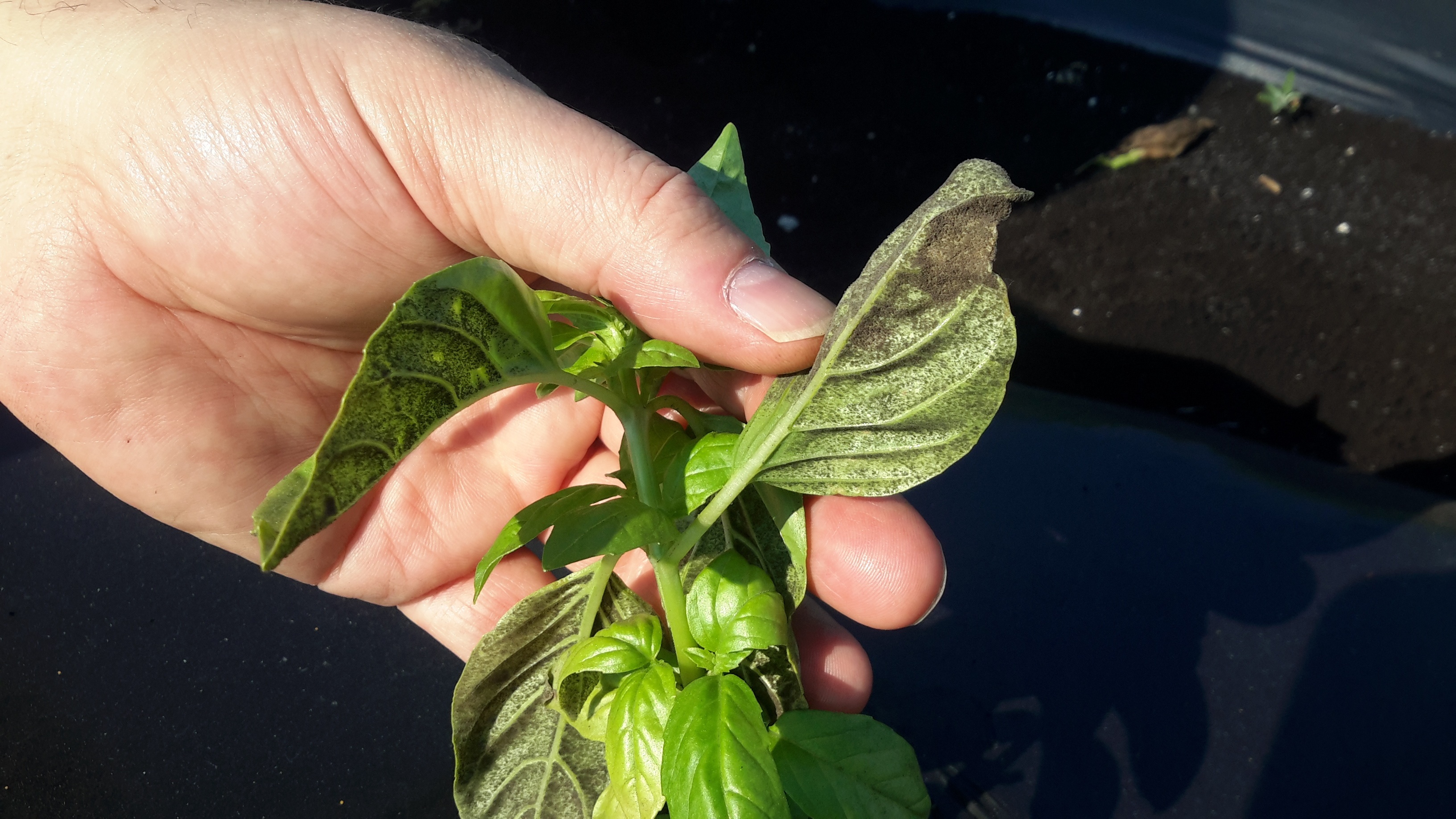
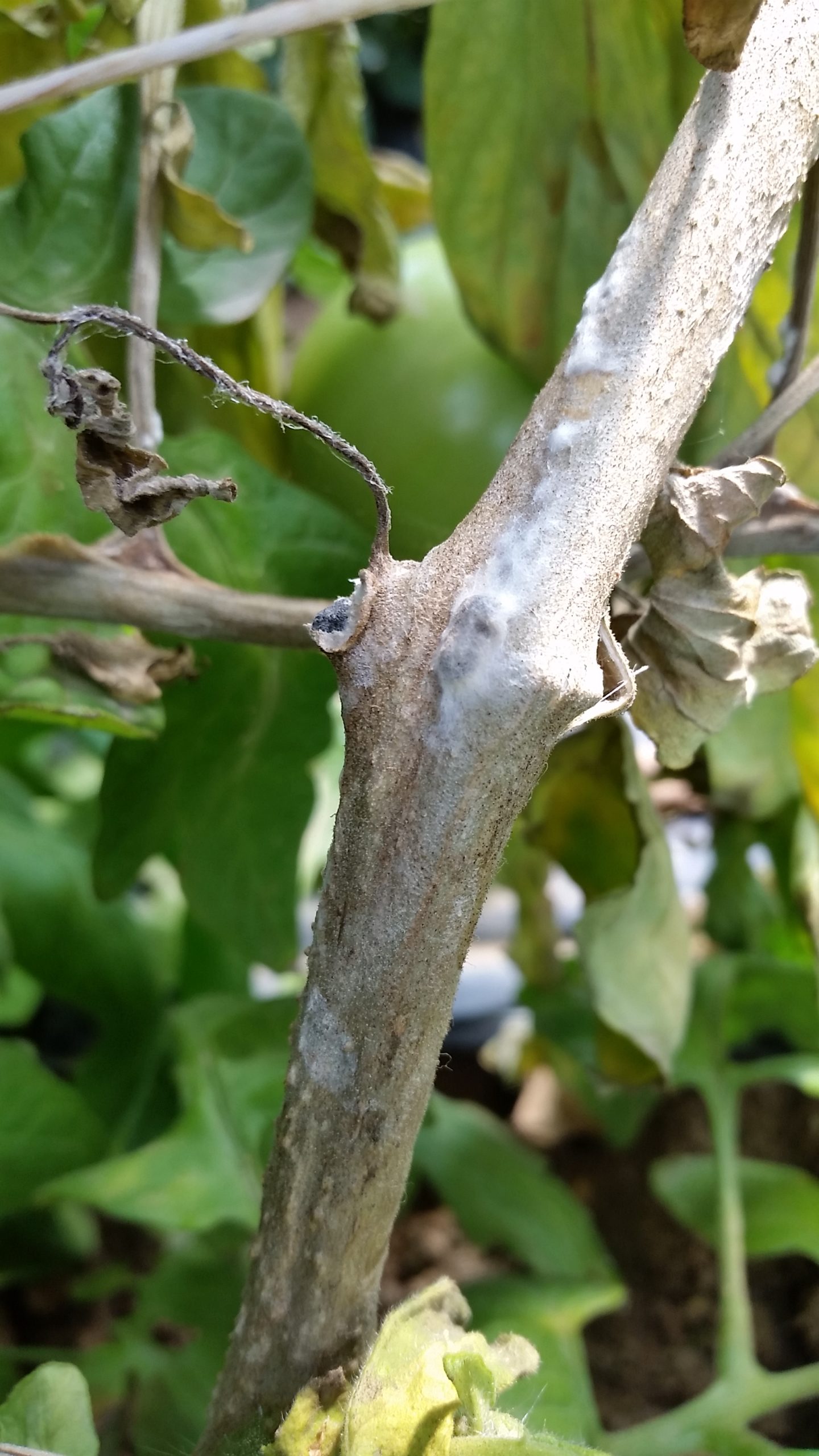
  • Timber rot has been reported in greenhouse pepper in southern New Jersey. For more information on white mold on tomato and pepper click here.
  • Cold weather injury has been reported in numerous vegetable crops throughout the state.
  • Bacterial leaf blight in Cilantro was reported this week in southern New Jersey.
  • Common leaf spot was reported in strawberry this past week. For more information click here.
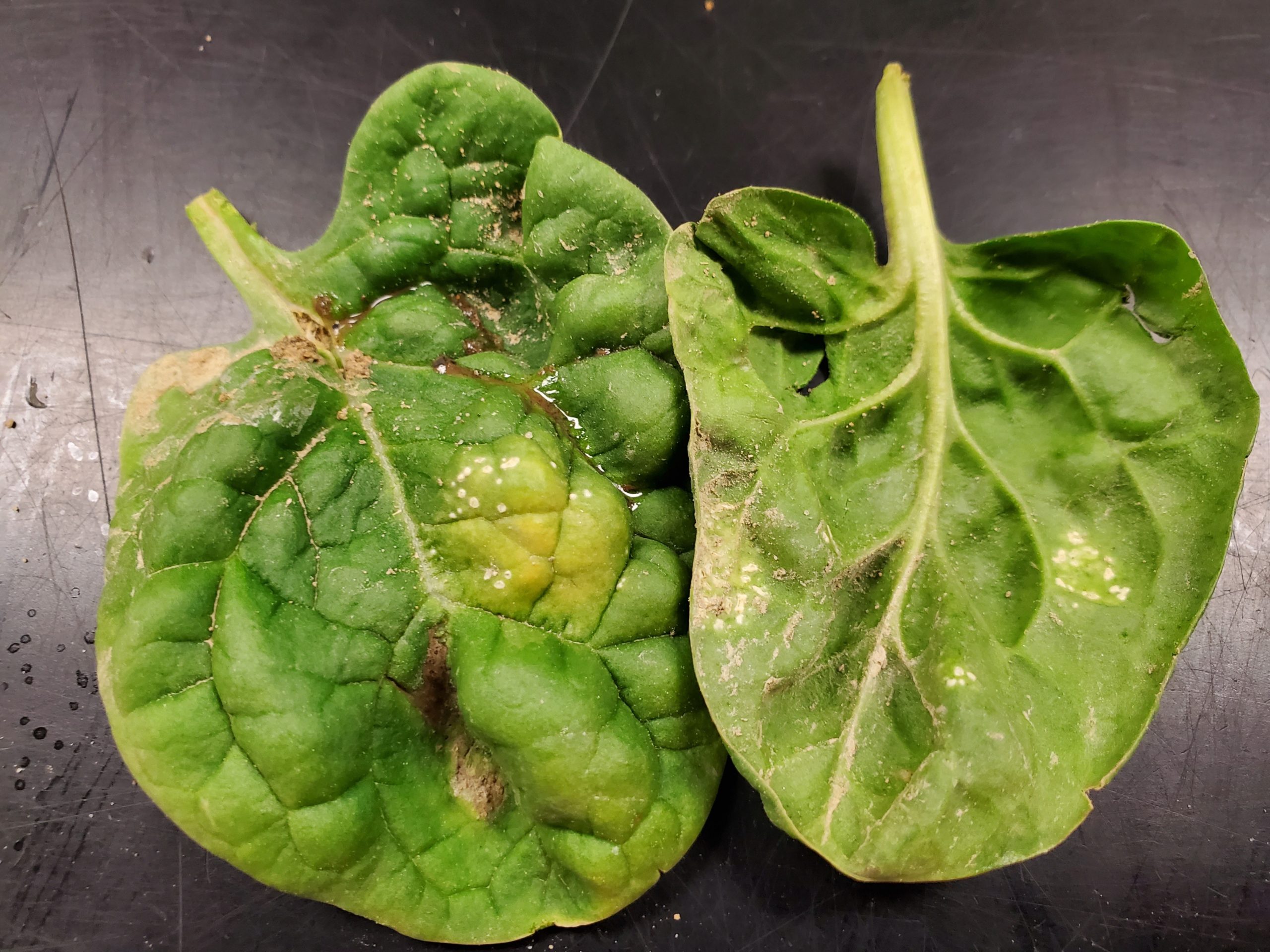
  • White rust and anthracnose have been reported in spinach over the past few weeks. For more information click here.
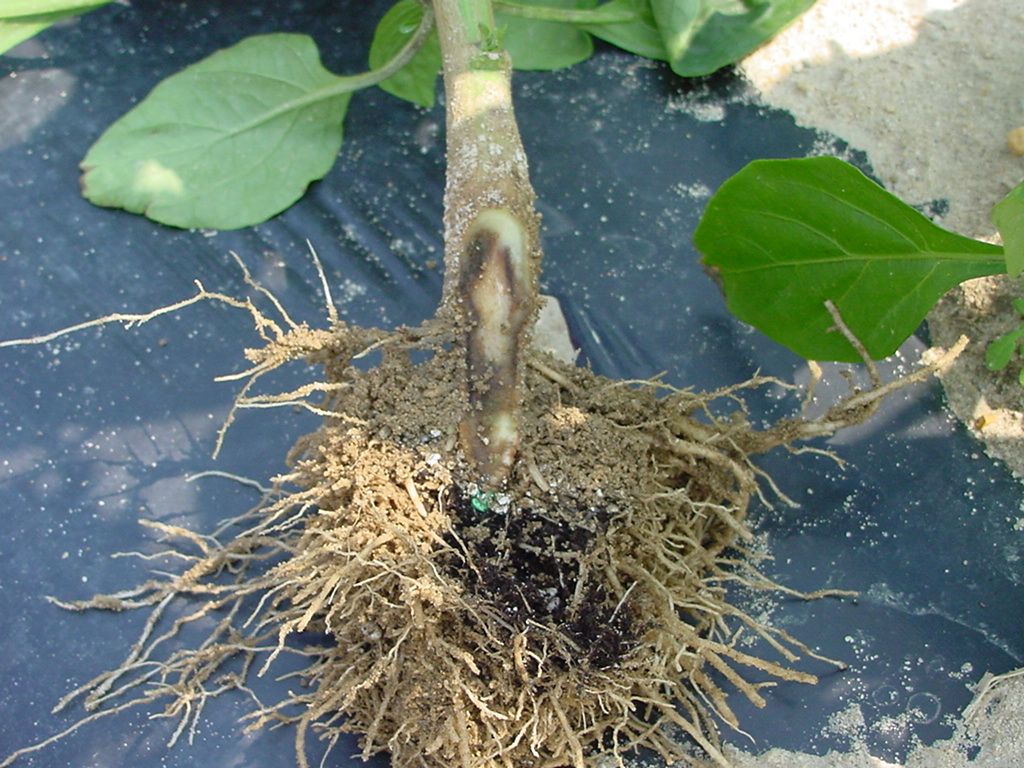
  • Damping-off has been reported in pepper transplants this past week. For more information click here
Timber rot in greenhouse pepper

Timber rot in greenhouse pepper

Bacterial leaf spot in savoy cabbage

Bacterial leaf spot in savoy cabbage

Frost damage in strawberry

Frost damage in strawberry (photo: T. Besancon)


Recognizing cold injury in spring crops

If the erratic, wet weather wasn’t enough, temperatures have fluctuated wildly this spring with night time temperatures dropping to near freezing in some parts of the state and region in recent days. With this comes the potential for cold injury on spring planted crops. Cold injury can take may different shapes on affected plants and developing fruit.

In some cases, sympoms may show up on the newest growth as a result of non-lethal injury to meristematic tissue, in pepper and tomato, new growth may be distorted with misshapen leaves. In some cases, new leaves may have a mottled, or mosaic look much like a plant infected with a mosaic virus. In these instances, plants will grow out of the problem.

In cucumber, symptoms on maturing fruit appear as brownish-tan areas on the epidermis of fruit. The fruit will also show cracking as if it has a dry rot. The effects are physiological where areas of young developing fruit got chilled by the cold night time temperatures.

We have collected a few images below of cold injury from crops from this spring.

Cuke_cold injury

Cold injury on cucumber fruit. The initial damage was done a few weeks ago while the fruit was very young.


Cold injury on young cucumber plant (Photo: M. Casella)


Cold injury on young cauliflower plant (photo: K. Holmstrom)


Frost damage in strawberry (photo: T. Besancon)


Cold injury on sweet corn under low tunnel. (photo: M. Casella)


Cold injury on cucumber seedling (photo: M. Casella)


Cold injury in emerging asparagus spear (photo: Rick VanVranken)


Freezing of young potato plant (photo: Rick VanVranken)


Cold injury on snap bean. (photo: Jack Rabin)

Freeze damage caused by ice crystal formation in veins of snap bean (photo: Jack Rabin)

Understanding Protectant Fungicides
(FRAC groups M01 – M11)

Protectant (contact) fungicides, such as the inorganics (copper, FRAC group M01) and sulfur (FRAC code M02); the dithiocarbamates (mancozeb, M03), phthalimides (Captan, M04), and chloronitriles (chlorothalonil, M05) are fungicides which have a low chance for fungicide resistance to develop. Protectant fungicides typically offer broad spectrum control for many different pathogens.

Why wouldn’t fungi develop resistance to protectant fungicides? Protectant fungicides are used all the time, often in a weekly manner throughout much of the growing season.

[Read more…]

Understanding The Differences Between FRAC Group 11 and FRAC Group 3 Fungicides

FRAC Group 11 Fungicides

The strobilurin, or QoI fungicides (FRAC group 11) are extremely useful in controlling a broad spectrum of common vegetable pathogens.

You may know some of strobilurins as azoxystrobin (Quadris), trifloxystrobin (Flint), pyraclostrobin (Cabrio), or Pristine (pyraclostrobin + boscalid, 11 + 7). For example, FRAC group 11 active ingredients such as azoxystrobin are also now available generics or in combination products as Quadris Top (azoxystrobin + difenoconazole, 11 + 3), Quilt (azoxystrobin + propiconazole, 11 + 3), or Quadris Opti (azoxystrobin + chlorothalonil, 11 + M5).

All strobilurin fungicides inhibit fungal respiration by binding to the cytochrome b complex III at the Q0 site in mitochondrial respiration. Simply said, the fungicide works by inhibiting the fungi’s ability undergo normal respiration. The strobilurin chemistries have a very specific target site, or mode-of-action (MOA).

Although highly effective, fungicide chemistries like those in FRAC group 11, with a very specific MOA, are susceptible to fungicide resistance development by some fungi. Why is that? In the strobilurin’s, a single nucleotide polymorphism of the cytochrome b gene leads to an amino acid substitution of glycine with alanine at position 143 of the cytochrome b protein.

For us, knowing the specifics on the technical jargon isn’t so important, it’s understanding what is at stake. So, if we hear someone speak about G143A resistance development to the QoI fungicides (where resistance is already known in cucurbit Powdery mildew and Downy mildew), we know what they are talking about and how important it is! So much so, if cucurbit powdery mildew develops resistance to one strobilurin compound it may develop what is known as cross resistance and become resistant to all chemistries in FRAC group 11, even if only one chemistry has been used!

[Read more…]

Preparing for Pepper Anthracnose

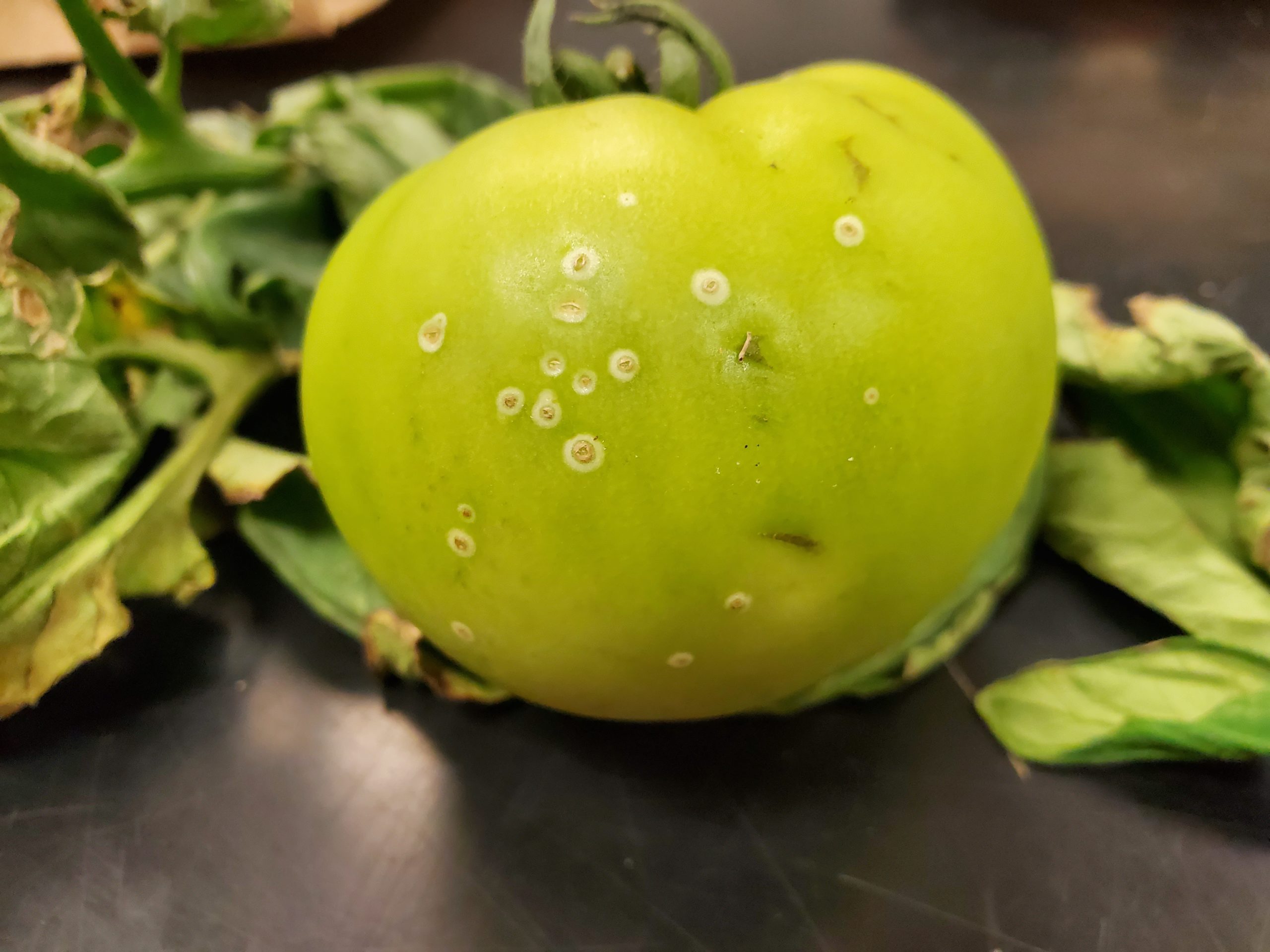
Pepper Anthracnose

Pepper Anthracnose

In recent years, pepper anthracnose caused by Colletotrichum spp. has become a significant problem on some farms in southern New Jersey.

Unlike in tomato, where symptoms are only present in mature (red) fruit, pepper anthracnose can infect pepper fruit at any growth stage. Currently, there are no commercially-available bell or non-bell peppers with known resistance to anthracnose. [Read more…]
Anthracnose and Alternaria Leaf Blights in Cucurbit Crops

Anthracnose and Alternaria leaf blight can become problematic in cucurbit crops during long periods of wet, humid weather. Both can cause significant losses if not controlled properly. With the production season quickly approaching, now is a good time to review a few of these important diseases.

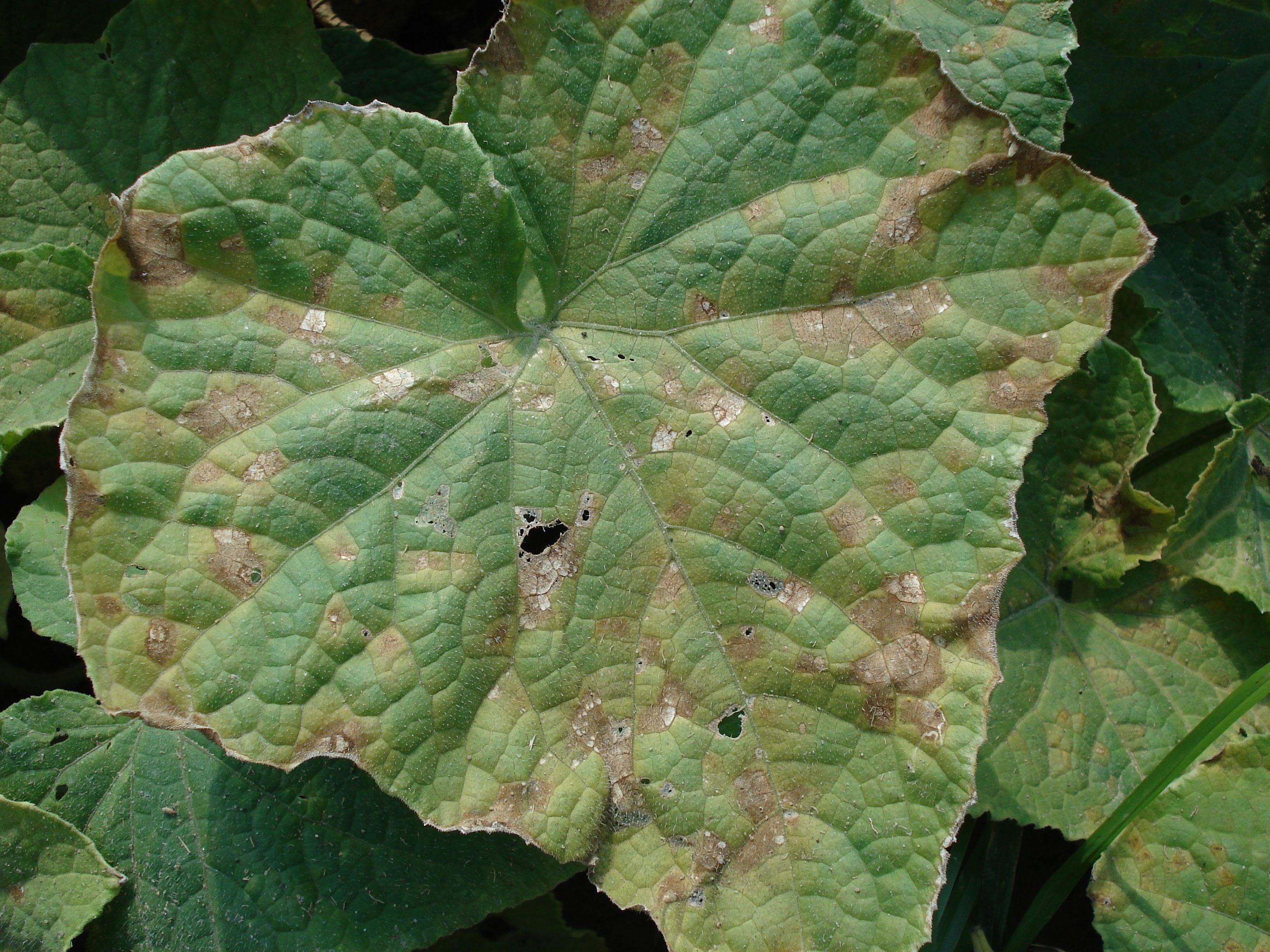
Symptoms of anthracnose on infected cucumber leaf.

Symptoms of anthracnose on infected cucumber leaf.

Alternaria leaf blight on cantaloupe

Alternaria leaf blight on cantaloupe (NCSU – G. Holmes)


Anthracnose, caused by Collectotrichum orbiculare, and Alternaria leaf blight (Alternaria cucumerina) produce distinct spots on infected leaves, and in most cases, symptoms begin on the older leaves. With Alternaria, diagnostic concentric black rings will be develop within the spots on infected leaves, often there is a chlorotic (yellow) halo around margins. With Anthracnose, spots always develop on veins on the underside of infected leaves. Often, black setae (hair-like projections) will develop on the veins of infected tissue. These symptoms make for easily diagnosing which disease might be present.

Both pathogens can overwinter on infected plant tissue in the soil for 1 to 2 years, thus extended crop rotations are important. Conidia (spores) develop from dormant mycelium in the soil and are splashed into the canopy causing primary infections during prolonged periods of humid, wet weather causing extended leaf wetness. Secondary infections and spread of both diseases can occur during the production season under favorable conditions for disease development.

Deep plowing debris or the removing of plant debris after harvesting, avoiding overhead irrigation during the production season, and most importantly, choosing cucurbit varieties with resistance are important cultural practices all conventional and organic growers should consider.

Anthracnose and Alternaria are easily controlled with weekly protectant fungicides such as chlorothalonil and mancozeb as long as they are applied prior to the arrival of the pathogen and on a regular basis during favorable disease development. Organic growers can apply copper and other labeled products to help suppress development of these diseases. Complete foliar coverage is critically important for the control of these diseases.

For more information on the control of anthracnose and Alternaria leaf blight in cucurbit crops please see the 2020/2021 Mid-Atlantic Commercial Vegetable Production Recommendations Guide.

Additional Resources:

University of MN Extension: https://extension.umn.edu/diseases/alternaria-leaf-blight

University of Florida: https://plantpath.ifas.ufl.edu/u-scout/cucurbit/alternaria-leaf-spot.html – Images of Alternaria

University of Florida: https://www.growingproduce.com/vegetables/aim-to-keep-anthracnose-out-of-your-cucurbit-crops/ – Additional information on anthracnose

University of MN: https://extension.umn.edu/diseases/anthracnose-cucurbits – Additional information on anthracnose of cucurbits