Tree Fruit IPM Report April 3, 2025

Tree Fruit Phenology:  

Tree fruit phenology is advancing in southern counties based on historical observations. In southern counties some early blooming varieties are about 50 % bloom. Redhaven was pink on March 30, about 6 days earlier than the median observation date. Red Delicious was at ¼” green tip on March 24, about 8 days earlier than the median observation date. Most apples are at tight cluster, and pears are about white bud to early bloom. Plums are full bloom.  

Peach: 

Brown Rot: Blossom infections from the brown rot fungus can occur whenever pistils are exposed and a favorable climate exists. Infections can occur during any wetting period when temperatures are between 41 and 86 °F. However, optimum conditions for infection occur with wetting and temperatures in the mid 70’s. During long wetting periods (several days or more) blossoms can be infected regardless of temperature. Generally, infections that occur when conditions are sub optimal are less severe. Blossoms and fruitlets will remain susceptible until the pistil dessicates (sometime between petal fall and shuck split). Initiate coverage for blossom blight starting at pink for short petaled varieties and 5-10% bloom for showy flowers. See the NJ Commercial Tree Fruit Production Guide for recommended materials and rates. 
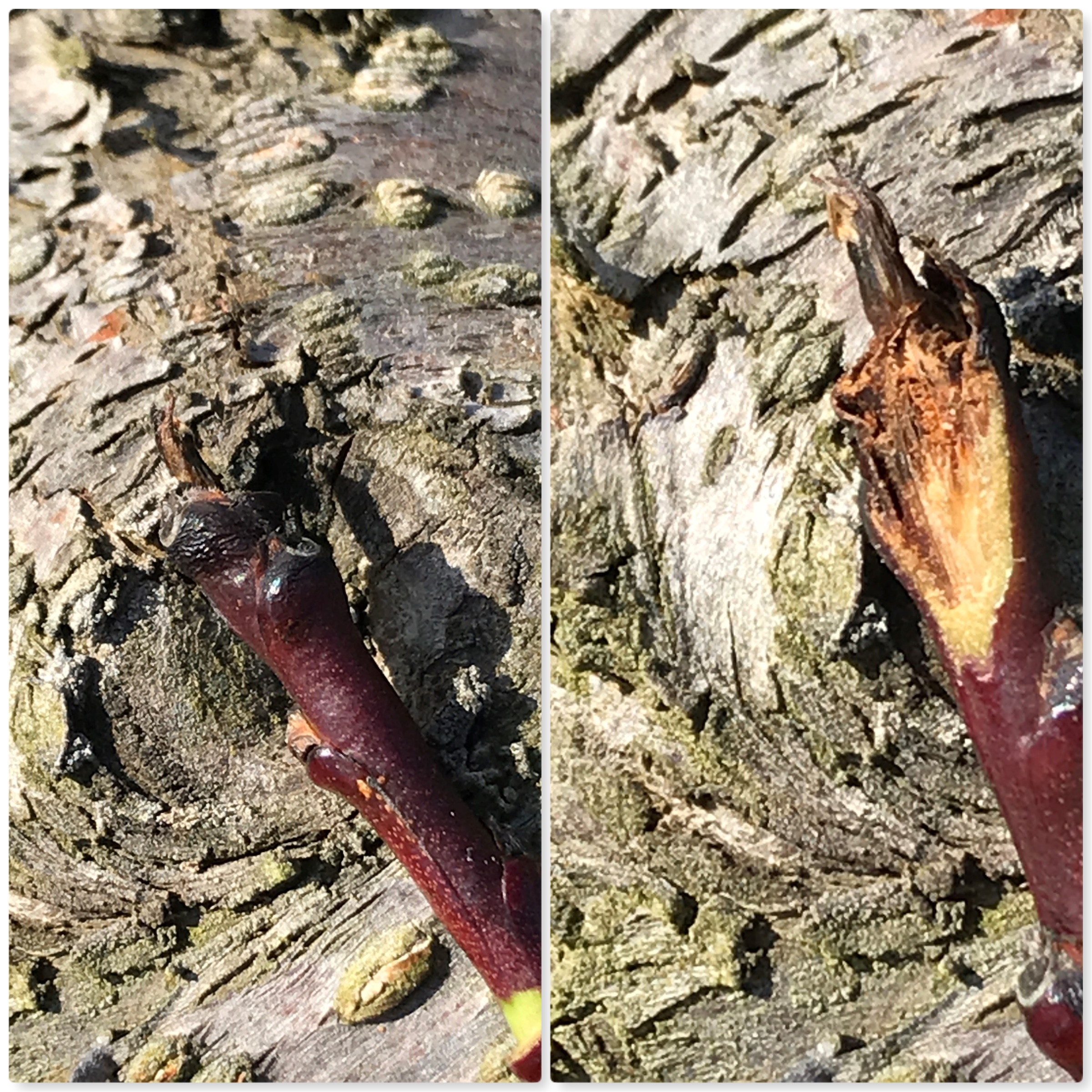
 

Fig. 1 Tip die back likely caused by bacterial spot (photo D. Schmitt).


Bloom Cankers: Bacterial Spot is a key pest of Peach, Nectarine and Plum and in some years can cause significant losses. It is caused by the bacterium Xanthomonas arbicola pv. pruni. Black tip cankers caused by bacterial spot usually appear during or just after bloom. Typical symptoms are a gradual blackening of the tip with dead tissue moving down the twig and is often observed on highly susceptible cultivars (Fig. 1). Tip die back may also occur from abiotic factors such as frost. Tip die back from frost is often accompanied by blind wood usually 6-8 inches below the tip where leaves and flowers have fallen off after being killed by a freeze. Spring cankers that are caused by bacterial spot may also form around flower buds and may be confused with constriction canker or brown rot (see below) Spring cankers are not commonly observed in our region. 
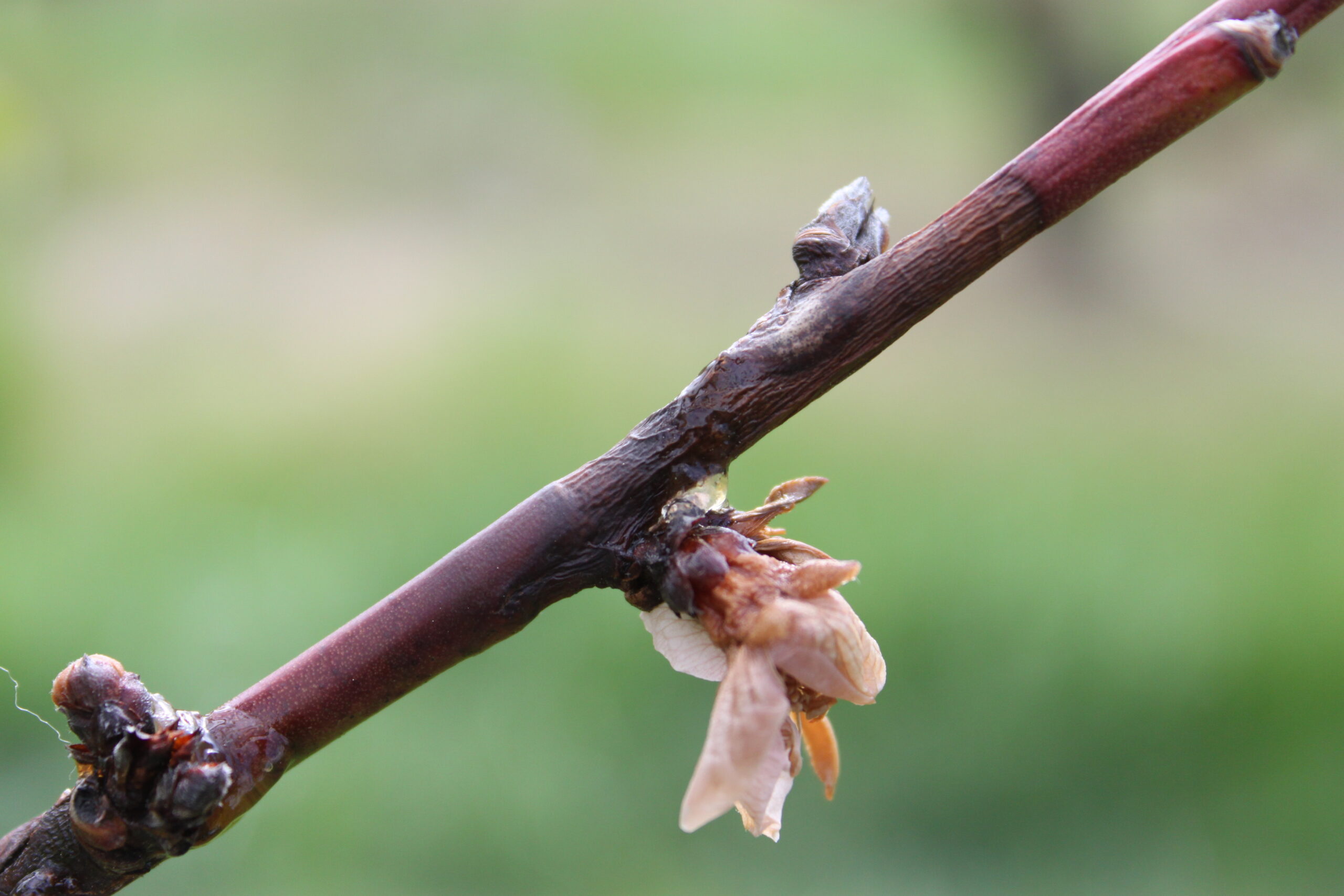


Fig. 2a Dead bud from constriction canker

In some cases the twig may appear healthy and a shoot begins growing from the tip only to die back after leafing out and flowering. This is often a symptom of fall infections of leaf scars by constriction canker. Many times a bud that was infected in the fall and never leafed out may be found just below the new shoot that is dying (Fig. 2a). Mild gummosis around the dead bud may also be observed. These symptoms may be more prevalent in old trees that have a history of the disease. Growing tips may also be killed if the leaf scar was infected and may be confused with black tip from bacterial spot. 

Another disease that causes cankers on flower buds is Monolinia fructicola, the cause of brown rot blossom blight. During bloom flowers that are infected by the brown rot fungus will rapidly dessicate and form a canker around the bud similar to late winter or ea
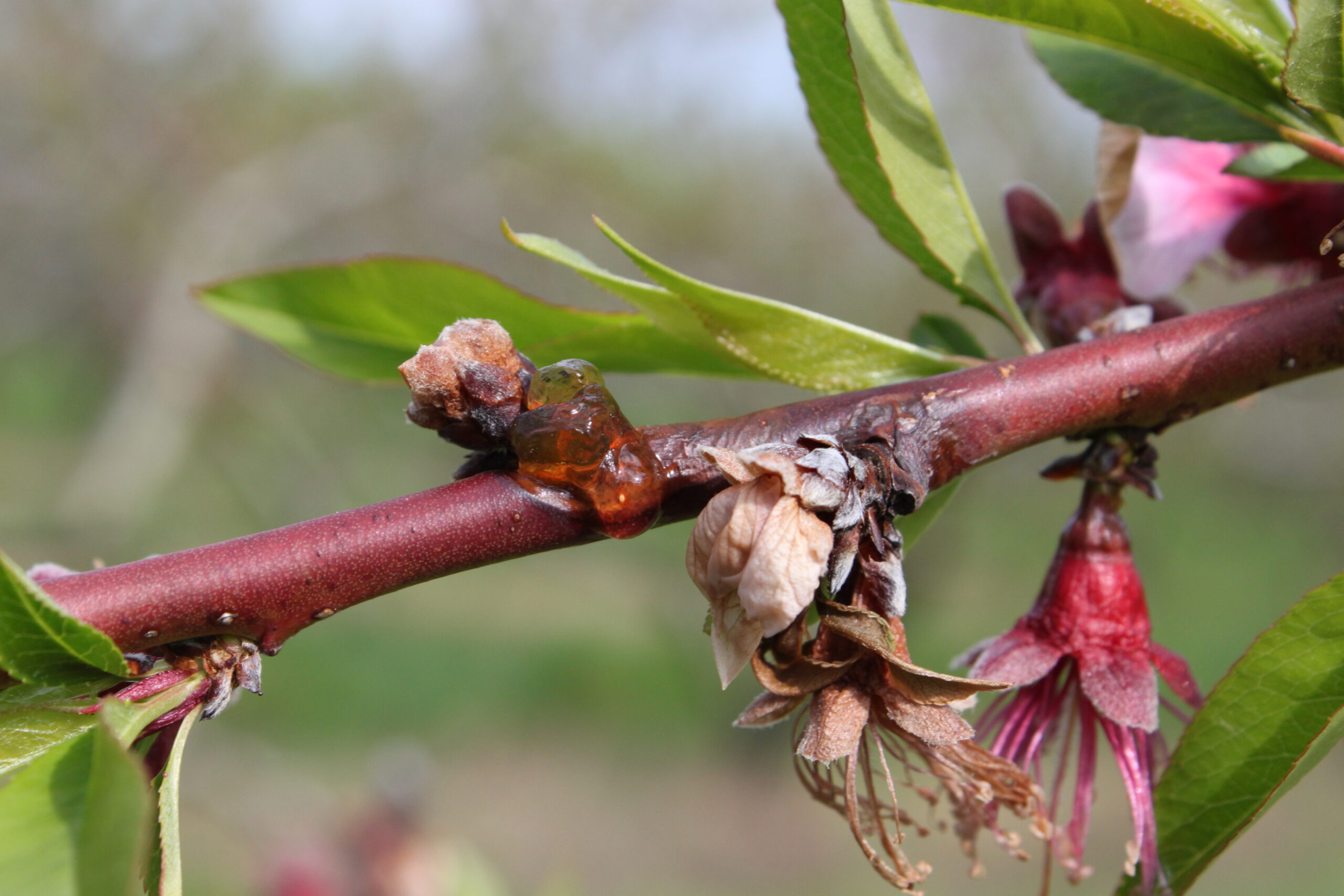
Fig 2b. Dead bud and canker from fall infection by constriction canker. (photo D. Schmitt)

rly spring infections by constriction canker (Fig 2b.). These can be distinguished from blossom blight by waiting a few days to see if the brown rot sporulation appears on the canker. Symptoms of brown rot also differ from constriction canker in that excessive gummosis will appear at the canker site (Fig. 3).
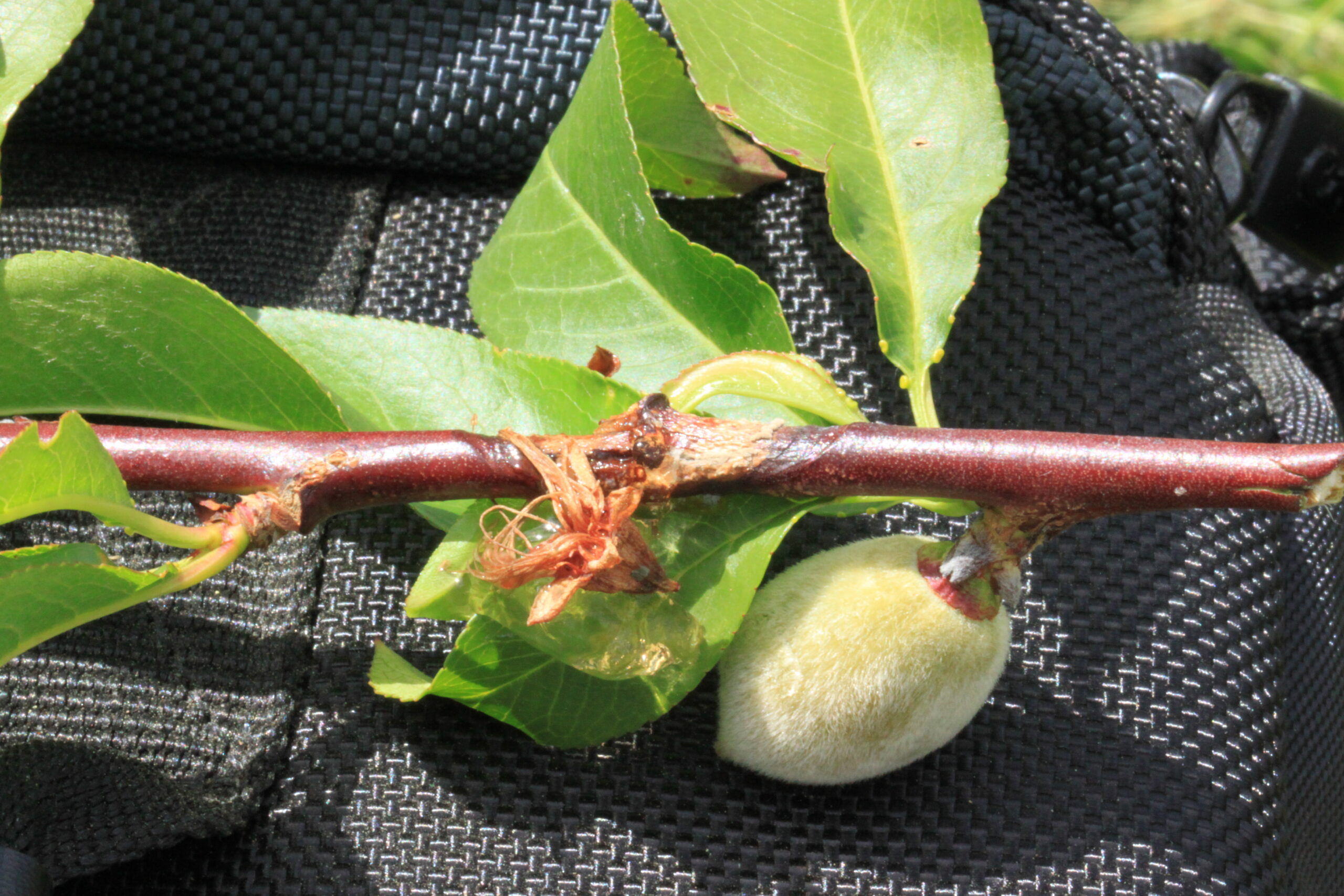
Fig. 3 Blossom blight canker. Note sporulation and excessive gumming around detached flower. (Photo D. Schmitt)


Oriental Fruit Moth: A biofix point for OFM was set on 4/2 in southern counties. OFM biofix is defined as the first sustained trap captures (2 or more consecutive days of trap captures of more than one adult.) It usually coincides with full bloom (about 4/13 in southern counties) but can start as early as late March. The first insecticides for first generation Oriental Fruit Moth control should be applied at 170-200 degree days (base 45 deg F) after biofix. This timing generally coincides with petal fall in peaches. Timings can be calculated using the degree day calculator at the NEWA website by choosing the weather station nearest your farm, entering the biofix date as the start date, and choosing base 45 in the “degree day type” menu. Mating disruption may be substituted for insecticide applications by placing dispensers or initiating sprayable formulations of pheromone in the orchard anytime before biofix. See the NJ Commercial Tree Fruit Production Guide for more information. 

 Green Peach Aphid: GPA colonies begin forming sometime during bloom. Examine trees for the presence of colonies from pink to shuck split. Count the number of colonies on ten trees and use a treatment threshold of 2 colonies/tree at petal fall for peach, and 1 colony/tree for nectarine. The best way to scout for aphids during bloom is with a beating tray. Blossoms may also be collected, opened, and examined for the presence of aphids using a hand lens. See the NJ Commercial Tree Fruit Production Guide for recommended materials and rates. 

Tarnished Plant Bugs and Other Catfacing Insects:  Catfacing insects cause little damage at this time of the year. Catfacing insects will become more of an issue as temperatures warm and mowing and other ground cover activities become more common after bloom. Insecticide applications are not recommended until after all petals are off. 

 Scale Insects: Oil applications may be safely applied up to pink on peach. Other options include Centaur, Sivanto Prime, Esteem, and Venerate. These products can be combined with oil or applied alone. See the apple section below for more information. 

Apple: 

Diseases: Fire Blight, Apple Scab, Rust diseases, and Powdery Mildew are the main targets at this stage. The NEWA apple scab model is estimating about 11% ascospore maturity as of 4/22 in southern NJ with 6% of cumulative ascospores discharged. The model estimates about 10% ascopsore maturity for Northern Counties with 8% ascospores released. Primary apple scab spores are released during any substantial infection period. Between tight cluster and first cover include products effective for powdery mildew and cedar apple rust. To manage Fire Blight in both apples and pears, consider using Kasumin at bloom. Kasumin is an antibiotic like Streptomycin and Oxytetratracycline. It contains Kasugamycin which is a different chemistry. Kasumin is only labeled for bloom and petal fall applications while strep and oxytet are labeled for post bloom use (Note that Fireline 45 is only labeled for 1 post bloom application on apple.). Using 3 different chemistries in rotation allows for resistance management while extending the protection into the post bloom period when late blossoms typically appear which ever material you use, the addition of Actigard, Lifegard, or other plant defense elicitors may improve control. 

 Rust Diseases: The two most common rust diseases that affect pome fruit are Quince Rust and Cedar Apple Rust. In some years these diseases can be troublesome in commercial orchards. Most disease control programs for scab will also control rust. In organically managed blocks in the east options are limited for approved materials that are effective for rust. Potassium Bicarbonate products have shown good efficacy for rust diseases in trials performed in Virginia. Organic growers should seek out and plant rust resistant cultivars. Cultural controls are not practicable due to the widespread presence of alternate host Junipers both wild and cultivated. Rust disease development on junipers should now be producing large spore releases during wetting periods. See this link for pictures of rust on pome fruit and juniper. 

Scale and Rosy Apple Aphid: One sees many recommendations for mixing materials efficacious for scale such as the insect growth regulators (Centaur; Esteem) with delayed dormant oil applications. The general consensus from data review seems to be that the addition of scale insecticides to oil do not significantly improve control over oil applied alone. Recent tests performed by Dr. Neilsen’s lab indicate that Sivanto Prime, Centaur and Venerate when applied alone in the pre-bloom period are comparable to dormant oil for scale control. Esteem has good efficacy for scale when applied up to to 1/2″ green. Closer has some efficacy against scale, however it has not been evaluated for control of overwintering scale. Esteem, Closer, Sivanto Prime, and a new product: Versys, applied either alone or with oil at 1/4″ to 1/2″ green all have good to excellent ratings for rosy apple aphids. See the NJ Commercial Tree Fruit Production Guide for more information. Note that the Virginia Spray Bulletin for Commercial Tree Fruit Growers lists syllit as incompatible with centaur. 

 European Red Mite; San Jose Scale: Oil applications for mite suppression and scale control should start at 1/4” green. Apply 2% dilute or 4-6 gals oil/acre concentrate at 1/4”green to tight cluster; 1% dilute or 2-3 gals/acre concentrate at tight cluster to pink. Oil should not be applied if temperatures are expected to dip into the mid 30’s within 48 hours of application, and captan or sulfur should not be applied within 14 days of any applications of oil or oil based formulations. Check the product labels for additional phytoxicity precautions. 

 Pear: 

Pear Psylla:  Dormant oil applications should have already been started to deter psylla egg laying. At the green cluster stage a pyrethroid is generally included with oil to knock down adults migrating into the orchard.  In lieu of oil, Surround may also be applied starting at swollen bud and continued through bloom. If using Esteem for psylla control make one application delayed dormant through popcorn or two applications; one at delayed dormant through popcorn and one at petal fall. Centaur is also effective and one application may be made pre-bloom or at petal fall. Sivanto Prime is also labeled for early season applications and should be combined with oil. 

Pear Diseases: Copper for fire blight suppression should not be applied past the green tip stage if fruit russet is a concern. Include effective materials such as Ziram or EBDC formulations for Pear Scab and beginning at the cluster bud stage. At white bud use products effective for rust, pear scab, and fabrea leaf spot. Particular attention should be paid to rust on asian varieties. Start planning for blossom sprays using antibiotics. For both apples and pears, consider using Kasumin at bloom. Kasumin is an antibiotic like Streptomycin and Oxytetratracycline. It contains Kasugamycin which is a different chemistry. Kasumin is only labeled for bloom and petal fall applications while strep and oxytet are labeled for post bloom use. Using 3 different chemistries in rotation allows for resistance management while extending the protection into the post bloom period when late blossoms typically appear. Whichever material you use, the addition of Actigard, Lifeguard or other plant defense elicitors during bloom may improve control. 


2024 Tree Fruit IPM Post Season Summary

Observation Overview: The IPM observations for 2024 come from the North and South Jersey Tree Fruit IPM Programs. There are 29 farms that participate in the North Jersey program and 13 farms in the South Jersey Program. The program includes approximately 600 acres of apples and 1,650 acres of peaches. Each farm has traps for the pests included in the trap data and are scouted once a week. The data for the charts below comes from the NEWA model, using Snyder Farm in Pittstown as the weather station. The trap data comes from each of the farms in the program and excludes farms using mating disruption. This is because the mating disruption proved to be very effective this year and I had no or very low trap catches in orchards utilizing this method of control. 

2024 Weather: Using the weather data from our Snyder research farm in Pittstown, New Jersey (Hunterdon County), the weather (highs, lows and precipitation), was average for the 2024 growing season. There were no notable statewide frost events in the spring however, in our most northern counties we experienced temperatures of 27°F on 4/8/2024 (during tight cluster) and again on 4/22/2024 (during bloom) which affected some of the blossoms but overall, did not affect crop load. However, the high temperatures were sustained above 80 °F for much of June through August. Precipitation was above the 20-year normal until May and then dropped to about half of normal from June-July, then seemingly increased in August but that was largely due to a very large squall that occurred at the Pittstown research station at the beginning of August. There was a hailstorm that occurred in Sussex and Warren counties on 7/16 which resulted in significant crop loss for some growers.  

  March  April  May  June  July   August  September  October 
Hunterdon, NJ: 30 year normal precipitation  4.05  3.92  4.18  4.55  5.04  4.61  4.53  4.36 
Hunterdon NJ: 2024 precipitation  6.89  4.97  4.16  2.21  3.28  6.83  .99  .02 

Datasources: 

https://climate.rutgers.edu/stateclim_v1/nclimdiv/# 
https://www.njweather.org/data/daily 


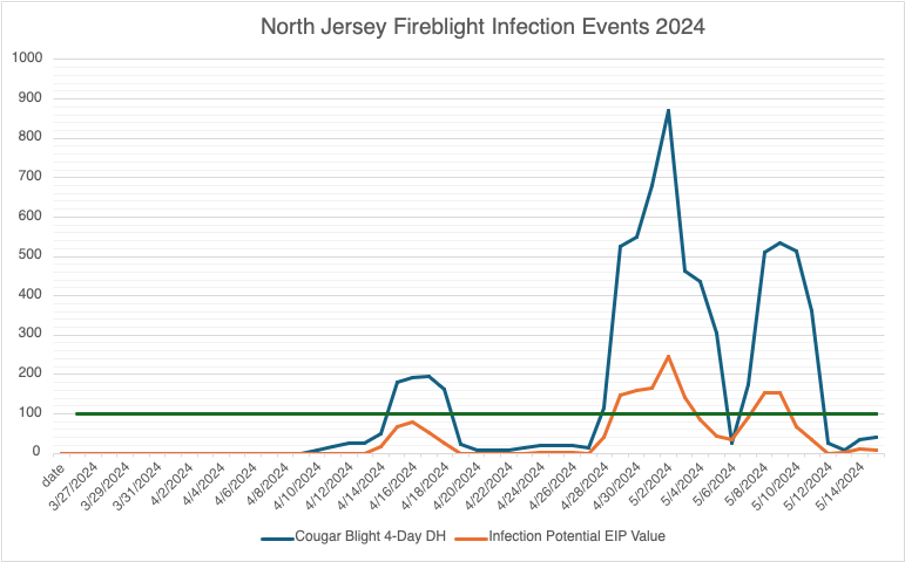
Fireblight: Fireblight presented an issue during the blossom blight phase for growers in both North and South Jersey. As you can see from the chart below, which pulls data from the NEWA fireblight model using the weather station in Pittstown, New Jersey, there were at least two infection periods during bloom where the EIP value was over 100. One of these periods persisted over the course of 5 days which required two applications of an antibiotic, 3 days apart from each other for optimal control. 


Apple Scab: Compared to last year, we experienced more scab infection periods during the primary scab phase. Most of these infection periods spanned over a couple days with the longest period lasting 5 days. Most growers were able to avoid primary scab by applying effective fungicides prior to NEWA predicted infection periods. There were a few orchards with heavy scab pressure that experienced major scab outbreaks with over 20% infected fruit found in post-harvest assessments. If growers experienced heavy scab pressure this year, it is recommended to apply urea and mow the leaves once they have fallen from trees to reduce the inoculum moving into the next season.  


Rots: Bitter Rot remains the most challenging to control throughout all New Jersey orchards. Incidence of this disease occurred in almost all farms in our Tree Fruit IPM Program and appeared most devastating in the Honeycrisp, Empire, Ambrosia and Evercrisp varieties. It may be beneficial to remove infected apples from the trees at the end of this season to reduce inoculum moving into the next season. Some of the most effective fungicides to include in cover sprays are Captan, Aprovia, Omega, Merivon, Luna Sensation and Topsin. These all work best when applied before a wetting event. In South Jersey, White Rot was also prevalent this season, we did not experience this in our North Jersey counties.   

Cedar Apple Rust and Quince Rust: In Southern New Jersey these diseases, particularly Quince Rust, are becoming more prevalent, especially in Asian Pear. In North Jersey, we also saw a higher incidence of these diseases compared to last season. It is important to begin applying effective materials from pink through first cover.  

Nectria Canker: This disease has not presented a major issue in New Jersey in previous years and when it has shown up, it has typically been on varieties that are known to be susceptible. This year one grower experienced this disease on the MAIA variety, Ludacrisp. Almost every tree in the row was infected with multiple cankers per tree.  

Bacterial Spot: In South Jersey control of this disease was very good. In North Jersey there was more incidence of this disease than last year with 4 farms having minor outbreaks. Growers should begin including effective materials for this disease as soon as green leaf tissue is present. For resistance management growers should rotate between copper and oxytetracycline (Fireline or Mycoshield). It is important to remember that combining copper and captan will can cause phytotoxicity to the leaves which may be exacerbated in slow drying conditions.  

Peach Scab: Control of this disease remains very good in commercial orchards across both North and South Jersey.  

Brown Rot: This disease did not present a major issue in North or South Jersey this season. In North Jersey, most growers had less than 2% crop loss caused by brown rot.  

Codling Moth: In South Jersey, a biofix was set for this pest on 4/22 which is 3 days later than last year. A biofix was set for this pest on 5/1 for five North Jersey counties (Middlesex, Mercer, Hunterdon, Warren, and Sussex counties) and on 5/6 for one North Jersey county (Morris County) which is 3-4 days earlier than last year. Across the state, trap captures were lower than average, but this pest was more damaging than last year. This season, all 3 generations of this pest caused damage in orchards which are known to have high pest pressure. Mating disruption remained effective in most blocks, but small amounts of damage were found at one farm which had irregularly shaped blocks. In Southern New Jersey, over the last 3 seasons there has been incidence of another internal feeder which is believed to be lesser apple worm. In North Jersey damage of this pest was noted in one orchard on 10/15. 

Brown Marmorated Stinkbug: In both North and South Jersey, trap counts for this pest were higher than the past few seasons. There was also a higher incidence of damage found in post-harvest assessments of Pome fruit. In North Jersey, there was also a higher incidence of damage to Stone fruit compared to last season. 

Ambrosia Beetle: In North Jersey, we began a monitoring program for this pest this year utilizing clear sticky traps baited with Trece’s ethanol lures and wood dowel traps. We had significant trap captures, and this pest attacked the wood dowel traps at all 29 farms in our program. This pest only attacked apples at 4 of the 29 farms, 3 of which were previously known infestation sites. The one farm which had not previously experienced crop loss to this pest experienced 43.3% loss of the trees they had topworked at the beginning of the season. In South Jersey, tree loss continued at normal levels in known infestation sites. The best management practice for control of this pest is reducing tree stress through cultural techniques.  

Scale: In South Jersey, incidence of San Jose Scale infestation increased over the last season. Early season controls suppressed crawler populations, however, damage in August was notable in many orchards. In North Jersey, this pest did not cause notable damage except in known problem areas. White Peach Scale was observed at slightly increased levels in orchards across the state. The late generation of this pest continues to cause damage to later ripening peach varieties in North Jersey. Dormant oil sprays at the beginning of next season will help manage this pest. Ensuring proper coverage of these sprays is essential for control.  

Oriental Fruit Moth: A biofix for this pest was set on 4/10 in South Jersey and 4/12 in North Jersey. This pest did not present a major issue to growers across the state this season. Only a few growers had a small incidence of damage to their peaches found in post-harvest assessments.  

Plum Curculio: Plum curculio damage was above average in stone fruit. This pest also caused significant damage to pome fruit due to the long bloom period which made control difficult.  


Tree Fruit IPM Report August 20, 2024

Peach:

Tarnished Plant Bugs; and Other Catfacing Insects: BMSB and native catfacing insects remain very active. Some recent fruit feeding has been observed.

Scale Insects: Second generation san jose scale and white peach scale crawlers began emergence in late July and will continue through August. Late season treatments include Actara (14 day PHI); Esteem (14 day PHI), Centaur (14 day PHI), Diazinon (postharvest as per label), and Venerate (2 applications 0 day PHI).

Apples and Pears:

Diseases: Summer diseases such as fruit rots (esp. Bitter rot), and sooty blotch and fly speck are the key pests at this point. Bitter rot control has been difficult at best in recent years even where management programs have been rigorous. Summer and late season fungicides for summer diseases include: Merivon, Luna Sensation, Inspire Super, Topsin-M, captan and ziram. Experience has suggested that the addition of phosphorous acid products such as Prophyt or Rampart to captan sprays may improve control. Observations are that these phosphite products improve control of other summer diseases such as sooty blotch and flyspeck, and may help suppress scab infections where present. Bitter rot symptoms have been appearing for several weeks in southern counties. Symptoms continue to increase in sensitive varieties.

Scale Insects: San jose scale crawlers continue emergence. Actara (suppression) has a 35 Day PHI at rates effective for scale on pome fruit. Belay (suppression) has a 7 day PHI. Esteem has a 45 day PHI on Pome fruit. Centaur has a 14 day PHI. Diazinon (suppression) has a 21 day PHI with a 96 hour reentry.

Brown Marmorated Stink Bug: BMSB nymphs have been seen feeding in some apple and pear blocks. Trap captures have increased in some orchards. Effective materials include Brigade, Belay, Leverage, Mustang Max and Venerate at 2 qts.

Codling Moth (CM): The first generation codling moth timings have ended. Trap captures continue at low levels in southern county orchards. Growers with trap captures above 5 moths/trap should still use effective materials within label restrictions.

Phenology Table: Based on annual observations made in Gloucester County.

Pest Event or Growth Stage Approximate Date 2024 Observed Date
 Bud Swell (Redhaven/PF-17)  March 23 +/- 15 Days March 13
1/4″ Green Tip Red Delicious March 31 +/- 13 Days March 18
Pink Peach (Redhaven/PF-17) April 4 +/- 15 Days March 18
Tight Cluster Red Delicious April 9 +/- 13 Days March 30
Full Bloom Peach (Redhaven/PF-17) April 9 +/- 14 Days April 5
Pink Apple (Red Delicious) April 14 +/- 12 Days April 9
Full Bloom Apple (Red Delicious) April 22 +/- 11 Days April 20
Petal Fall (Redhaven) April 22 +/- 10 Days April 15
Petal Fall (Red Delicious) April 27 +/- 13 Days  May 3
Shuck Split (Redhaven) April 30 +/- 11 Days  April 22
Pit Hardening June 15 +/- 9 Days  June 10


Tree Fruit Trap Captures – Southern Counties

STLM TABM-A CM BMSB OFM-A DWB OFM-P TABM-P LPTB PTB
3/23/2024 70 0
3/30/2024 29 0 0
4/6/2024 421 0 0
4/13/2024 415 7 1
4/20/2024 900 7 0
4/27/2024 312 2 22  1
5/4/2024 137 2 8 27 1 5
5/11/2024 6 2 15 2 1 10 42
5/18/2024 5 6 11 2 6 0 12 41
5/25/2014 33 29 7 4 25 0 44 37
6/1/2024 719 12 12 1 1 0 44 57
6/8/2024 163 7 6 0 27 0 35 52 3
6/15/2024 252 4 0 0 0 31 0 4 54 4
6/22/2024 252 4 0 0 0 31 0 4 54 4
6/29/2024 500 1 1 2 0 31 0 10 35 4
7/6/2024 245 2 5 2 1 34 0 0 27 0
7/13/2024 5 1 2 1 0 34 0 1 34 1
7/20/2024 152 5 6 3 0 19 1 1 26 0
7/27/2024 3 4 4 1 0 14 1 2 22 5
8/03/2024 12 2 3 3 1 4 0 1 21 0
8/10/2024 514 1 2 3 1 25 1 2 35 1
8/17/2024 141 2 2 0 0 15 0 1 13 1

Tree Fruit Trap Captures – Northern Counties

STLM TABM-A CM BMSB OFM-A DWB OFM-P TABM-P LPTB PTB AMBROSIA BEETLE
3/23/2024
3/30/2024
4/6/2024 0 0
4/13/2024 3.25 37.6
4/20/2024 11.75 93
4/27/2024 0 19 50
5/4/2024 1 16 19 124
5/11/2024 3 4 18 112
5/18/2024 4 2 1 2 2 2 83
5/25/2024 7 5 0 16 8 23 55
6/1/2024 16 7 0 28 7 21 37
6/8/2024 17 4 0 23 3 16 2 12
6/15/2024 21 2 0 21 21 27 1 12
6/22/2024 13 1 0 43 13 16 1 3
6/29/2024 15 1 0 49 13 17 1 0
7/06/2024 6 2 0 0 64 9 19 2 0
7/13/2024 2 3 3 0 38 18 18 4 0
7/20/2024 0 3 1 0 29 18 6 2 0
7/27/2024 1 3 0 0 27 16 7 2 0


Tree Fruit IPM Report August 6, 2024

Peach:

Oriental Fruit Moth: A biofix point for OFM was set on 4/10 in both northern and southern counties.  All timed treatments OFM this season have past. Monitor traps and treat for counts over 6 adult moths/trap.

Tarnished Plant Bugs; and Other Catfacing Insects: Catfacing insects remain very active. Some recent fruit feeding has been observed.

Scale Insects: Second generation san jose scale and white peach scale crawlers began emergence in late July. Late season treatments include Actara (14 day PHI); Esteem (14 day PHI), Centaur (14 day PHI), Diazinon (postharvest as per label), and Venerate (2 applications 0 day PHI).

Apples and Pears:

Diseases: Summer diseases such as fruit rots (esp. Bitter rot), and sooty blotch and fly speck are the key pests at this point. Bitter rot control has been difficult at best in recent years even where management programs have been rigorous. Summer and late season fungicides for summer diseases include: Merivon, Luna Sensation, Inspire Super, Topsin-M, captan and ziram. Experience has suggested that the addition of phosphorous acid products such as Prophyt or Rampart to captan sprays may improve control. Observations are that these phosphite products improve control of other summer diseases such as sooty blotch and flyspeck, and may help suppress scab infections where present. Bitter rot symptoms have been appearing for several weeks in southern counties. Symptoms continue to increase in sensitive varieties.

Scale Insects: San jose scale crawlers are emerging. Actara has a 35 Day PHI at rates effective for scale on pome fruit. Belay has a 7 day phi on pome fruit. Esteem has a 45 day PHI on Pome fruit. Centaur has a 14 day PHI. Diazinon has a 21 day PHI with a 96 hour reentry.

Brown Marmorated Stink Bug: BMSB nymphs have been seen feeding in some apple and pear blocks. Effective materials include Brigade, Actara (35 Day PHI), Belay, Leverage, Mustang Max and Venerate at 2 qts.

Codling Moth (CM): The first generation codling moth timings have ended. Trap captures Continue and increased in some southern county orchards this week. A biofix was set for CM on April 17th in both northern and southern counties. All timed treatments for CM have past. Trap Captures in some southern county orchards remain above threshold. Growers with trap captures above 5 moths/trap should still use effective materials within label restrictions.

Wine Grape:

Diseases: Continue fungicides and hedging for downy mildew and powdery mildew. At veraison apply fungicides effective for bunch rots.

Spotted Wing Drosophila: SWD are now being caught on sticky traps in vineyards. Include insecticides effective for control from now until harvest.

Spotted Lantern Fly: Adult Forms are now appearing and will be moving into vineyards to feed over the next few week. No treatments are needed unless significant adult presence (> 5/vine) is seen.


Phenology Table: Based on annual observations made in Gloucester County.

Pest Event or Growth Stage Approximate Date 2024 Observed Date
 Bud Swell (Redhaven/PF-17)  March 23 +/- 15 Days March 13
1/4″ Green Tip Red Delicious March 31 +/- 13 Days March 18
Pink Peach (Redhaven/PF-17) April 4 +/- 15 Days March 18
Tight Cluster Red Delicious April 9 +/- 13 Days March 30
Full Bloom Peach (Redhaven/PF-17) April 9 +/- 14 Days April 5
Pink Apple (Red Delicious) April 14 +/- 12 Days April 9
Full Bloom Apple (Red Delicious) April 22 +/- 11 Days April 20
Petal Fall (Redhaven) April 22 +/- 10 Days April 15
Petal Fall (Red Delicious) April 27 +/- 13 Days  May 3
Shuck Split (Redhaven) April 30 +/- 11 Days  April 22
Pit Hardening June 15 +/- 9 Days  June 10


Tree Fruit Trap Captures – Southern Counties

STLM TABM-A CM BMSB OFM-A DWB OFM-P TABM-P LPTB PTB
3/23/2024 70 0
3/30/2024 29 0 0
4/6/2024 421 0 0
4/13/2024 415 7 1
4/20/2024 900 7 0
4/27/2024 312 2 22  1
5/4/2024 137 2 8 27 1 5
5/11/2024 6 2 15 2 1 10 42
5/18/2024 5 6 11 2 6 0 12 41
5/25/2014 33 29 7 4 25 0 44 37
6/1/2024 719 12 12 1 1 0 44 57
6/8/2024 163 7 6 0 27 0 35 52 3
6/15/2024 252 4 0 0 0 31 0 4 54 4
6/22/2024 252 4 0 0 0 31 0 4 54 4
6/29/2024 500 1 1 2 0 31 0 10 35 4
7/6/2024 245 2 5 2 1 34 0 0 27 0
7/13/2024 5 1 2 1 0 34 0 1 34 1
7/20/2024 152 5 6 3 0 19 1 1 26 0
7/27/2024 3 4 4 1 0 14 1 2 22 5
8/03/2024 12 2 3 3 1 4 0 1 21 0

Tree Fruit Trap Captures – Northern Counties

STLM TABM-A CM BMSB OFM-A DWB OFM-P TABM-P LPTB PTB AMBROSIA BEETLE
3/23/2024
3/30/2024
4/6/2024 0 0
4/13/2024 3.25 37.6
4/20/2024 11.75 93
4/27/2024 0 19 50
5/4/2024 1 16 19 124
5/11/2024 3 4 18 112
5/18/2024 4 2 1 2 2 2 83
5/25/2024 7 5 0 16 8 23 55
6/1/2024 16 7 0 28 7 21 37
6/8/2024 17 4 0 23 3 16 2 12
6/15/2024 21 2 0 21 21 27 1 12
6/22/2024 13 1 0 43 13 16 1 3
6/29/2024 15 1 0 49 13 17 1 0
7/06/2024 6 2 0 0 64 9 19 2 0
7/13/2024 2 3 3 0 38 18 18 4 0
7/20/2024 0 3 1 0 29 18 6 2 0
7/27/2024 1 3 0 0 27 16 7 2 0

Tree Fruit IPM Report July 24, 2024

Peach:

Oriental Fruit Moth: A biofix point for OFM was set on 4/10 in both northern and southern counties.  All Treatments OFM this season have past. Monitor traps and treat for counts over 6 adult moths/trap.

OFM 2nd Generation Timing
Insecticide Type
County/Region Degree Days by  7/24 base 45 Conventional

2100-2200

2450-2500

Intrepid/Rimon

2000-2100

2350-2450

Diamides/Virus

2025-2150

2375-2450

Gloucester – Southern 2595 1st –past

2nd – past

1st –past

2nd – past

1st –past

2nd – past

Hunterdon – Northern 2539 1st – past

2nd – past

1st – past

2nd – past

1st – past

2nd – past

Tarnished Plant Bugs; and Other Catfacing Insects: Catfacing insects remain very active. Some recent fruit feeding has been observed.

Scale Insects: Second generation san jose scale and white peach scale crawlers have begun emergence. Late season treatments include Actara (14 day PHI); Esteem (14 day PHI), Centaur (14 day PHI), Diazinon (postharvest as per label), and Venerate (2 applications 0 day PHI).

Apples and Pears:

Diseases: Now that primary scab is nearing the end, or has ended, the focus turns toward summer diseases such as fruit rots (esp. Bitter rot), and sooty blotch and fly speck. Bitter rot control has been difficult at best in recent years even where management programs have been rigorous. Research has suggested Products such as Merivon, Luna Sensation, Inspire Super, and Aprovia may be effective, and longtime reliable broad spectrum fungicides such as omega, captan and ziram should provide control. Experience has suggested that the addition of phosphorous acid products such as Prophyt or Rampart to captan sprays may improve control. Observations are that these products improve control of other summer diseases such as sooty blotch and flyspeck, and may help suppress scab infections where present. Bitter rot symptoms have been appearing for several weeks in southern counties. Symptoms continue to increase in sensitive varieties over the past week.

Scale Insects: San jose scale crawlers are emerging. Actara has a 35 Day PHI at rates effective for scale on pome fruit. Esteem has a 45 day PHI on Pome fruit. Centaur has a 14 day PHI. Diazinon has a 21 day PHI with a 96 hour reentry.

Brwon Marmorated Stink Bug: BMSB nymphs have been seen feeding in some pear blocks. Effective materials include Brigade, Mustang Max and Venerate at 2 qts.

Codling Moth (CM): The first generation codling moth timings have ended. Trap captures Continue and increased in some southern county orchards this week. A biofix was set for CM on April 17th in both northern and southern counties. Second generation timings are updated below. Rimon is not recommended for this and later generations. Trap Captures in some southern county orchards remain above threshold. Growers with trap captures above 5 moths/trap should still use effective materials within label restrictions.

Codling Moth Degree Day Timing – Second Generation
Application and Insecticide Type
County Area Biofix Rimon:

75-100DD + 14-17 days later


Intrepid

1150 + 1450 DD

Diamides – Altacor, Voliam mixes: (150-200 DD)

Madex

1250 DD + every 7-9 days during brood hatch (later if first spray is an IGR)

Standard Insecticides –  Delegate, Avaunt, OP’s, carbamates, pyrethroids

1250 DD + 1550 DD


DD 1150 1450 1250 1250 1550
Southern April 22 N/A N/A past past past past past
Northern  May 1 N/A N/A past past past past past

Wine Grape:

Diseases: Powdery mildew symptoms are now appearing on clusters in some southern vineyards. Downy Mildew has been on leaves seen in some vineyards.

Grape Berry Moth: Damage from second generation berry moth is higher than normal in some southern county vineyards. Growers should check their timing using the NEWA model for the next generation. The next timing for GBM using Intrepid or diamides should be this week for southern counties.

Spotted Lantern Fly: Adult Forms are now appearing and will be moving into vineyards to feed over the next few week. No treatments are needed unless significant adult presence (> 5/vine) is seen.

Phenology Table: Based on annual observations made in Gloucester County.

Pest Event or Growth Stage Approximate Date 2024 Observed Date
 Bud Swell (Redhaven/PF-17)  March 23 +/- 15 Days March 13
1/4″ Green Tip Red Delicious March 31 +/- 13 Days March 18
Pink Peach (Redhaven/PF-17) April 4 +/- 15 Days March 18
Tight Cluster Red Delicious April 9 +/- 13 Days March 30
Full Bloom Peach (Redhaven/PF-17) April 9 +/- 14 Days April 5
Pink Apple (Red Delicious) April 14 +/- 12 Days April 9
Full Bloom Apple (Red Delicious) April 22 +/- 11 Days April 20
Petal Fall (Redhaven) April 22 +/- 10 Days April 15
Petal Fall (Red Delicious) April 27 +/- 13 Days  May 3
Shuck Split (Redhaven) April 30 +/- 11 Days  April 22
Pit Hardening June 15 +/- 9 Days  June 10


Tree Fruit Trap Captures – Southern Counties

STLM TABM-A CM BMSB OFM-A DWB OFM-P TABM-P LPTB PTB
3/23/2024 70 0
3/30/2024 29 0 0
4/6/2024 421 0 0
4/13/2024 415 7 1
4/20/2024 900 7 0
4/27/2024 312 2 22  1
5/4/2024 137 2 8 27 1 5
5/11/2024 6 2 15 2 1 10 42
5/18/2024 5 6 11 2 6 0 12 41
5/25/2014 33 29 7 4 25 0 44 37
6/1/2024 719 12 12 1 1 0 44 57
6/8/2024 163 7 6 0 27 0 35 52 3
6/15/2024 252 4 0 0 0 31 0 4 54 4
6/22/2024 252 4 0 0 0 31 0 4 54 4
6/29/2024 500 1 1 2 0 31 0 10 35 4
7/6/2024 245 2 5 2 1 34 0 0 27 0
7/13/2024 5 1 2 1 0 34 0 1 34 1
7/20/2024 152 5 6 3 0 19 1 1 26 0

Tree Fruit Trap Captures – Northern Counties

STLM TABM-A CM BMSB OFM-A DWB OFM-P TABM-P LPTB PTB AMBROSIA BEETLE
3/23/2024
3/30/2024
4/6/2024 0 0
4/13/2024 3.25 37.6
4/20/2024 11.75 93
4/27/2024 0 19 50
5/4/2024 1 16 19 124
5/11/2024 3 4 18 112
5/18/2024 4 2 1 2 2 2 83
5/25/2024 7 5 0 16 8 23 55
6/1/2024 16 7 0 28 7 21 37
6/8/2024 17 4 0 23 3 16 2 12
6/15/2024 21 2 0 21 21 27 1 12
6/22/2024 13 1 0 43 13 16 1 3
6/29/2024 15 1 0 49 13 17 1 0
7/06/2024 6 2 0 0 64 9 19 2 0
7/13/2024 2 3 3 0 38 18 18 4 0
7/20/2024 0 3 1 0 29 18 6 2 0

Tree Fruit IPM Report July 16, 2024

Peach:

Oriental Fruit Moth: A biofix point for OFM was set on 4/10 in both northern and southern counties.  All Treatments for the second generation have past. Third generation timings are updated below:

OFM 2nd Generation Timing
Insecticide Type
County/Region Degree Days by  7/16 base 45 Conventional

2100-2200

2450-2500

Intrepid/Rimon

2000-2100

2350-2450

Diamides/Virus

2025-2150

2375-2450

Gloucester – Southern 2338 1st –past

2nd – 7/19-7/21

1st –past

2nd – 7/16-7/19

1st –past

2nd – 7/17-7/19

Hunterdon – Northern 2121 1st – 7/16-7/19

2nd – 7/25-7/28

1st – past

2nd – 7/22-7/25

1st – past

2nd – 7/23-7/25


Tarnished Plant Bugs; and Other Catfacing Insects: Catfacing insects remain very active. Very little recent fruit feeding has been observed.

Thrips: Flower Thrips have been observed feeding in highly colored ripening fruit, especially in poorly managed ground covers that contain clover or other flowering weeds. Thrips damage appears as “silvering” and usually appears on fruit close to harvest. If populations are high damage can be extensive. Presence of thrips may be scouted for using a beating tray to detect the presence of adults and nymphs in the tree. Flowering weeeds and shrubs on orchard edges may also be scouted by shaking flowers onto a beating tray or a sheet of paper. Delegate or Entrust at the highest labeled rate are the usual recommended materials for thrips in stone fruit. Lannate may be effective in some orchards but has not worked well in recent years. These materials all have short PHI’s and may be applied close to harvest when damage typically appears. Damage is different than peach and appears as a dark streak in a similar pattern as silvering. See the NJ Commercial Tree Fruit Production Guide for more information.

Japanese Beetles: Japanese beetle activity has been noticeable in many orchards. Effective materials include many of the pyrethroids, Neonicitinoids and Sevin (Carbamate). Products containing imidacloprid are standard insecticides for Japanese beetle control and should have a 0 day PHI. See the NJ Commercial Tree Fruit Production Guide for more information.

Apples and Pears:

Diseases: Now that primary scab is nearing the end, or has ended, the focus turns toward summer diseases such as fruit rots (esp. Bitter rot), and sooty blotch and fly speck. Bitter rot control has been difficult at best in recent years even where management programs have been rigorous. Research has suggested Products such as Merivon, Luna Sensation, Inspire Super, and Aprovia may be effective, and longtime reliable broad spectrum fungicides such as omega, captan and ziram should provide control. Experience has suggested that the addition of phosphorous acid products such as Prophyt or Rampart to captan sprays may improve control. Observations are that these products improve control of other summer diseases such as sooty blotch and flyspeck, and may help suppress scab infections where present. Bitter rot symptoms have been appearing for several weeks in southern counties. Symptoms increased dramatically in sensitive varieties over the past week.

Codling Moth (CM): The first generation codling moth timings have ended. Trap captures Continue and increased in some southern county orchards this week. A biofix was set for CM on April 17th in both northern and southern counties. Second generation timings are updated below. Rimon is not recommended for this and later generations. Trap Captures in some southern county orchards remain above threshold. Growers should still use effective materials within label restrictions.

Codling Moth Degree Day Timing – Second Generation
Application and Insecticide Type
County Area Biofix Rimon:

75-100DD + 14-17 days later


Intrepid

1150 + 1450 DD

Diamides – Altacor, Voliam mixes: (150-200 DD)

Madex

1250 DD + every 7-9 days during brood hatch (later if first spray is an IGR)

Standard Insecticides –  Delegate, Avaunt, OP’s, carbamates, pyrethroids

1250 DD + 1550 DD


DD 1150 1450 1250 1250 1550
Southern April 22 N/A N/A past past past past past
Northern  May 1 N/A N/A past past past past 7/17

Wine Grape:

Diseases: Powdery mildew symptoms are now appearing on clusters in some southern vineyards.

Grape Berry Moth: Damage from second generation berry moth is higher than normal in some southern county vineyards. Growers should check their timing using the NEWA model for the next generation. The next timing for GBM using Intrepid or diamides should be sometime next week for southern counties. Other effective materials can be applied at at that timing or a few days later.

Phenology Table: Based on annual observations made in Gloucester County.

Pest Event or Growth Stage Approximate Date 2024 Observed Date
 Bud Swell (Redhaven/PF-17)  March 23 +/- 15 Days March 13
1/4″ Green Tip Red Delicious March 31 +/- 13 Days March 18
Pink Peach (Redhaven/PF-17) April 4 +/- 15 Days March 18
Tight Cluster Red Delicious April 9 +/- 13 Days March 30
Full Bloom Peach (Redhaven/PF-17) April 9 +/- 14 Days April 5
Pink Apple (Red Delicious) April 14 +/- 12 Days April 9
Full Bloom Apple (Red Delicious) April 22 +/- 11 Days April 20
Petal Fall (Redhaven) April 22 +/- 10 Days April 15
Petal Fall (Red Delicious) April 27 +/- 13 Days  May 3
Shuck Split (Redhaven) April 30 +/- 11 Days  April 22
Pit Hardening June 15 +/- 9 Days  June 10


Tree Fruit Trap Captures – Southern Counties

STLM TABM-A CM BMSB OFM-A DWB OFM-P TABM-P LPTB PTB
3/23/2024 70 0
3/30/2024 29 0 0
4/6/2024 421 0 0
4/13/2024 415 7 1
4/20/2024 900 7 0
4/27/2024 312 2 22  1
5/4/2024 137 2 8 27 1 5
5/11/2024 6 2 15 2 1 10 42
5/18/2024 5 6 11 2 6 0 12 41
5/25/2014 33 29 7 4 25 0 44 37
6/1/2024 719 12 12 1 1 0 44 57
6/8/2024 163 7 6 0 27 0 35 52 3
6/15/2024 252 4 0 0 0 31 0 4 54 4
6/22/2024 252 4 0 0 0 31 0 4 54 4
6/29/2024 500 1 1 2 0 31 0 10 35 4
7/6/2024 245 2 5 2 1 34 0 0 27 0
7/13/2024 5 1 2 1 0 34 0 1 34 1

Tree Fruit Trap Captures – Northern Counties

STLM TABM-A CM BMSB OFM-A DWB OFM-P TABM-P LPTB PTB AMBROSIA BEETLE
3/23/2024
3/30/2024
4/6/2024 0 0
4/13/2024 3.25 37.6
4/20/2024 11.75 93
4/27/2024 0 19 50
5/4/2024 1 16 19 124
5/11/2024 3 4 18 112
5/18/2024 4 2 1 2 2 2 83
5/25/2024 7 5 0 16 8 23 55
6/1/2024 16 7 0 28 7 21 37
6/8/2024 17 4 0 23 3 16 2 12
6/15/2024 21 2 0 21 21 27 1 12
6/22/2024 13 1 0 43 13 16 1 3
6/29/2024 15 1 0 49 13 17 1 0
7/06/2024 6 2 0 64 9 19 2 0