Thursday, August 27, 2020
6:00-7:00 pm
Click here to register for the twilight meeting
Registration password: nursery20
Please join us for presentations on pest management topics from our two nursery agents Tim Waller and Bill Errickson, Spotted Lanternfly updates from Steve Rettke, and water related updates from Sal Mangiafico. Given the current state of in-person meetings we are aiming to make this as educational and painless as possible. We would like everyone to feel comfortable with this online format for future meetings. We plan to have a longer meeting in late September (+2hr) to hear from more nursery specialists and provide another opportunity to obtain pesticide credits.
August 27th Agenda
(5:30pm) Webinar platform opens to registrants; Photo ID Check, Welcome Remarks
__(recording begins)__
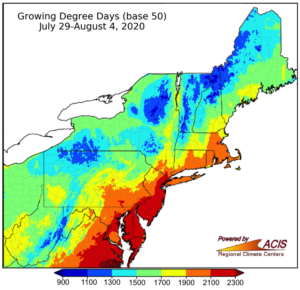
(6:00pm) Effective IPM approaches Using Degree-days and Other Predictive Models– Timothy Waller, RCE (Cumberland)
(6:15pm) Reduction of Pesticide Usage Through Cultural Practices- Bill Errickson, RCE (Monmouth)
(6:30pm) Spotted Lanternfly Update & Review of Current Information Concerning This Invasive Insect- Steve Rettke, Ornamental IPM Program
(6:45pm) Harmful Algae Blooms in NJ Lakes and Ponds and Their Effects on Agriculture- Sal Mangiafico, RCE (Cumberland & Salem)
__(recording ends)__
(7:00pm) Additional questions; Photo ID Check, Adjourn
NJ Pesticide License Recertification credits obtained: PP2 (1); 3A (1); 3B (1); 10 (1)
In cooperation with the NJNLA, NJLCA, and NJCTGA
Instructions:
- Register for event at the above link
- Include your pesticide license number if you would like recertification credits
- After registration you will receive a confirmation email with a link to the actual twilight meeting.
- Registered guests will receive a reminder 1 week prior to the event with more specific instructions.
- Day-of: click the link in the registration confirmation email and select “join by browser-New” (if you do not currently have a WebEx app on your computer or video-enabled smartphone.
- Day-of: Have your photo ID ready if you wish to obtain credits
Additional requirements for those seeking credits:
- Licensed applicators with a recertification period expiring October 31, 2020 will be given an exemption from the NJDEP online credit cap of 25% and are eligible for all credits, otherwise this exemption does not apply.
- Government issued photo ID is required and will be verified prior or immediately after the meeting (i.e. will not be video recorded)
- Attendees must be visible throughout the entire session (with live video on) and must stay to the end.
- Polls will be randomly scheduled, & attendance will be visually monitored by a moderator.
- Call-ins (audio only) are not eligible for pesticide recertification credits as of now; you need a computer/phone/tablet with *live* video capability.
We are here to help you connect, please contact Tim Waller (twaller@njaes.rutgers.edu) with any questions or concerns. Thank you very much for your willingness to cooperate within our online space!
Rutgers is dedicated to protecting your privacy and keeping your personal information safe. Your information will be kept strictly confidential; used solely to meet NJDEP ID verification protocol for recertification credit. Any information will be deleted after 60 days.