Please join in via the following links for Wednesday’s sessions.
Access for all morning sessions begins at 9am Wed Feb 23 here: https://go.rutgers.edu/vdh6okge with presentations beginning at 9:15am.
Like Monday and Tuesday, once you’ve logged in you will be directed to ‘breakout rooms’ for each of the morning sessions. When the Wednesday morning sessions end, please return to the main room for a ‘Tribute to New Jersey Farmers’ by Vegetable Growers Association president John Banscher beginning at noon.
All links are also available for every session at vganj.com/schedule or direct link to the agenda page here https://go.rutgers.edu/yw2aminv. NOTE that the morning sessions are all through the same link, but afternoon sessions each have a unique Zoom link that will be seen directly next to the agenda for that session.
This is the program and links for Wednesday’s sessions:
2021 NJ Ag/VGANJ Virtual Convention – Educational Sessions Agenda
Wed Feb 24, 2021 – 9:15am-11:45am
Access ALL MORNING sessions HERE
https://go.rutgers.edu/vdh6okge
Soil Health/Cover Crops
9:30-10:00am-Soil Health 101
10:00-10:30am-Soil Organisms, Their Functions & How to Increase Beneficial Microbes in the Soil
10:45-11:15am-The Great Debate – Residue Management Pros & Cons
11:15-11:45am-Cover Crop Selections for Vegetable Crop Production
Creating Value-Added Products & Services to Increase Profits
9:15-9:30am-Welcome & Intro
9:30-10:00am-Growing Beer & Agritourism at the Bullock Farm
10:00-10:30am-Snapping Turtle Farm – Direct Marketing Ideas for a Changing Consumer Landscape
10:45-11:15am-On-Farm Cold Press Juices & Other Value-Added Products on the Marchese Family Farm
11:15-11:45am-Creating Value Added Products at the Rutgers Food Innovation Center
11:45am-Bringing it All Together Roundtable
Food Safety
9:15-9:40am-Welcome & What’s New from Industry
9:40-10:10am-Produce Safety Research Update
10:10-10:40am-Navigating Food Safety in the Pick Your Own Patch
10:40-11:10am-Postharvest Priorities to Reduce Produce Safety Risks
11:10-11:40am-Audit & Inspection Updates
VGANJ Tribute to New Jersey Farmers
John Banscher, President
Join VGANJ President John Banscher in a celebration of all New Jersey’s
farmers recognizing your essential work throughout the 2020 pandemic.
please return to main session room after breakout sessions end
https://go.rutgers.edu/vdh6okge
Access AFTERNOON sessions individually
Wed Feb 24, 2021 – 1:15pm-3:45pm
Pesticide credit sessions require logging in within 10 minutes of start and remaining through the entire session
to be eligible for credits.
Small Fruit
https://go.rutgers.edu/igyafi17
1:15-1:30pm-Welcome & Intro
1:30-2:00pm-What Affects the Flavor of Strawberries & Can You Do Anything About It?
2:00-2:30pm-A Decade After Spotted-wing Drosophila Invasion in the USA: Lessons Learned
2:45-3:15pm-Double Cropping Raspberries
3:15-3:45pm-Strawberry Diseases New & Old
Creative Marketing/Agritourism
https://go.rutgers.edu/vdh6okge
1:15-1:30pm-Welcome & Intro
1:30-2:00pm-Challenges and Opportunities in Urban Farmers’ Markets
2:00-2:30pm-Utilizing Social Media for Great Customer Service
2:45-3:15pm-Expanding My Farmers Market in 2020 – Creative Marketing in Tough Times
3:15-3:45pm-Innovative Marketing Interviews with New Farmers
3:45pm- Roundtable Q&A/Adjourn
Blueberry
https://go.rutgers.edu/gjhj4ufi
1:15-1:30pm-Welcome & Intro
1:30-1:55pm- Green Drop in the Draper blueberry variety, research conclusions
1:55-2:25pm-Pest Management Highlights from 2020 – The Year in Review
2:25-2:50pm-Modern methods of blueberry virus detection
2:50-3:15pm-Update on Black Shadow Management
3:15-3:45pm- Searching for novel repellents to manage spotted-wing drosophila
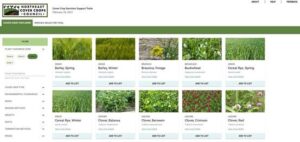 More than 35 specialists from around the Northeast and Mid-Atlantic contributed their expertise to develop the tool. The project was spearheaded by the Northeast Cover Crops Council, a group of farmers, researchers, Extension educators and personnel from nonprofits and industry that encourages the adoption of cover crops by fostering the exchange of information, inspiration and outcome-based research. The Council was formed with support from a Northeast SARE Professional Development Program grant. Through this and other USDA funding, the project team collaborated with USDA’s Agricultural Research Service (ARS) and Natural Resources Conservation Service (NRCS), Agricultural Informatics Lab and Precision Sustainable Agriculture to design the tool.
 age of 88. After completing his college degree at Rutgers, Bill served our country in the military until 1955 where he earned the rank of First Lieutenant. He then returned to Rutgers, Cook College, to teach and later became an Extension Specialist in Agricultural Engineering. Early in his career, he invented the air-inflated, double-layer polyethylene film system for covering the roof of a greenhouse. Today, approximately 65 percent of all commercial greenhouses in the United States use the air-inflated system. This innovation won Bill many awards and tremendous gratitude from the industry. On a personal note, Bill was most known for his tremendous faith and love for family; especially wife Dottie. For more information about Bill Roberts, please see the beginning pages of the