TONIGHT: Webinar on Heat Stress in Agriculture

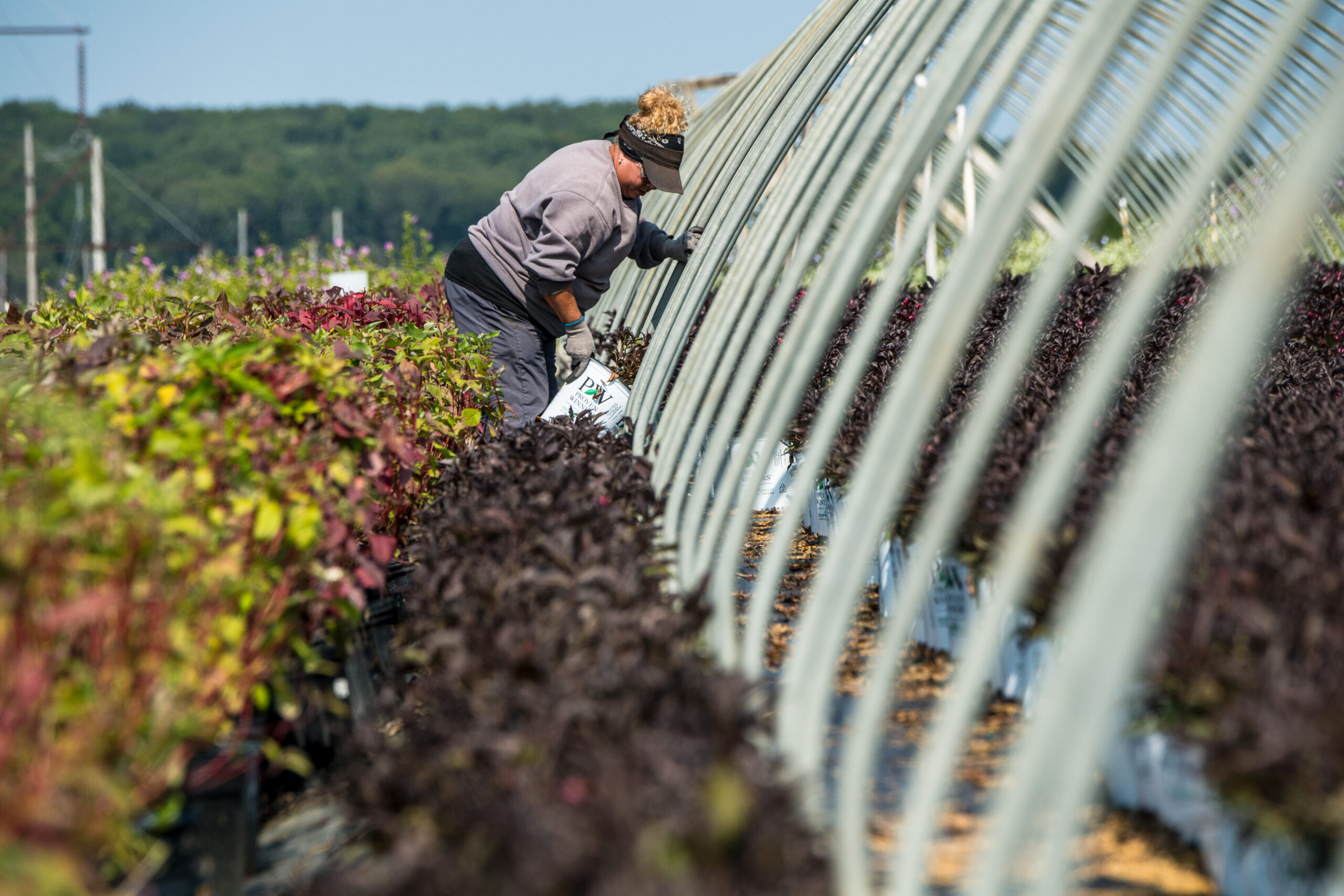
Farmworker places potted shrubs in an uncovered hoop house.

USDA Photo by Lance Cheung.

The Rutgers Farm Health and Safety Working Group, in partnership with New Jersey Farm Bureau, invites you to a two-part webinar series titled “Don’t Sweat Heat Stress in Agriculture”. The first webinar will take place tonight!

  • Wednesday, June 5 from 7:00-8:00 PM
    • An introduction to heat stress issues in agriculture. We will also share tools farmers can use to evaluate heat risk and recommended resources for guidance on heat stress prevention.
  • Wednesday, June 12 from 7:00-8:00 PM
    • An overview on signs of heat stress and corresponding first aid, as well as strategies for heat stress prevention. A panel of farmers will discuss their currently used strategies for employee management during periods of high heat.

You must register to attend these webinars by visiting https://go.rutgers.edu/heat-stress-in-ag

Questions? Contact Kate Brown, County ANR Agent with RCE-Somerset County, at 908-526-6293 x4 or kbrown@njaes.rutgers.edu.

Beat the Heat: Clothing Matters

Evaporation of sweat from skin is the body’s primary mode of temperature regulation on hot days. Clothing can impact heat and sweat production, as well as the rate of evaporation, so clothing decisions are important to prevent heat stress.  

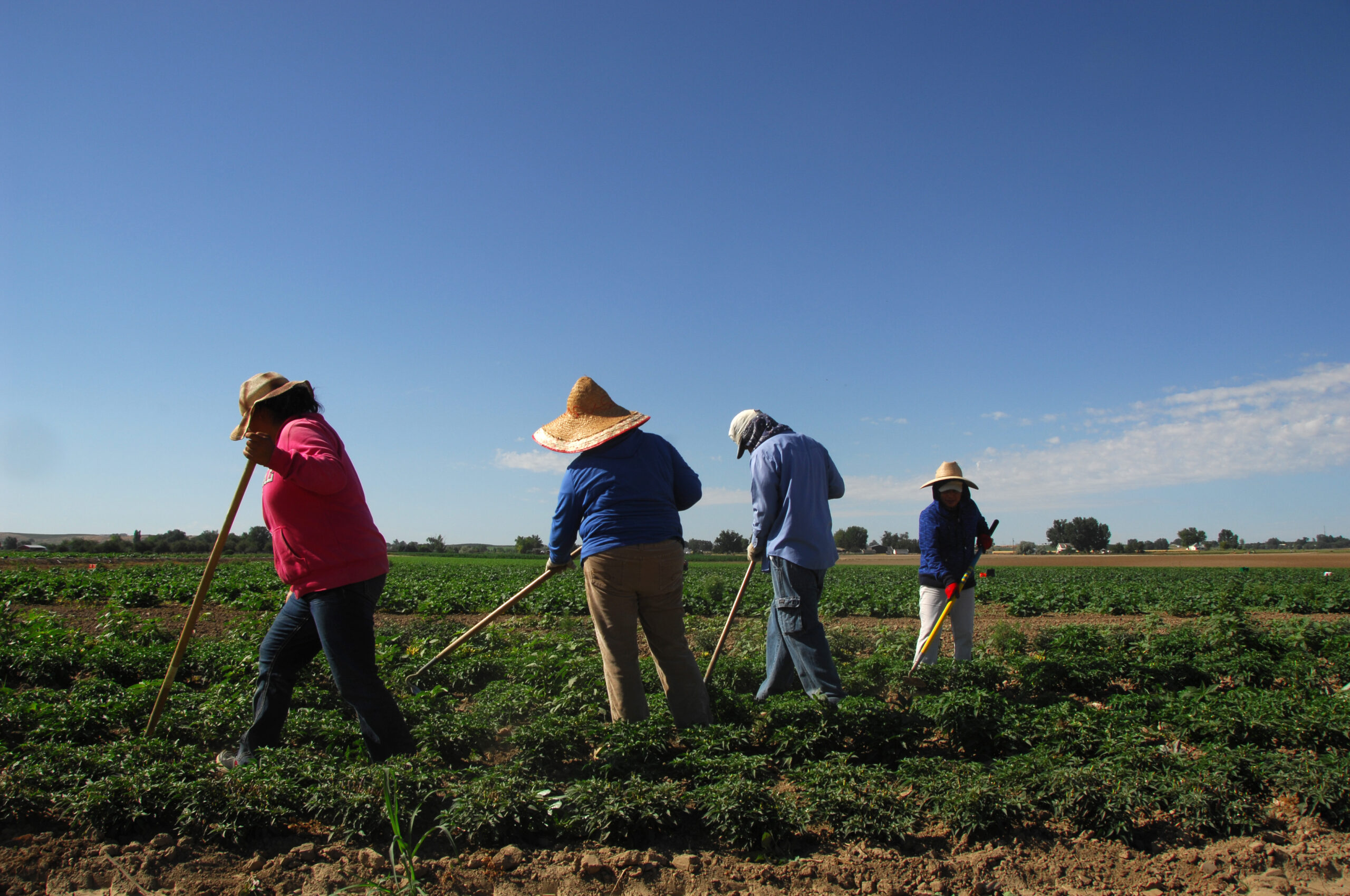
Farmworker with head tilted down to drink water while taking a break from cantaloupe harvest.

Photo credit: Joe Proudman , UC Davis Western Center for Agricultural Health and Safety

Choose lightweight, loose-fitting clothing made of a breathable fabric like cotton which allows sweat to evaporate and air to move across the skin, cooling the body. Choose light-colored clothing, which reflects heat, and a wide-brimmed hat to shade around the head.

Generally, less clothing is desirable in hot environments, except when the air temperature is greater than 95°F or a person is working in the direct sun. In these cases, covering exposed skin can reduce the risk of heat stress. 

Personal protective equipment like gloves, respirators, and coveralls can significantly increase metabolic heat production, reduce evaporation of sweat, and increase the risk of heat illness. Schedule all tasks requiring PPE for cooler times of day such as morning and evening.  

Beat the Heat: Building a Heat Tolerance Takes Time

New workers are vulnerable to heat-related illness because they have not acclimatized to working in the heat. Acclimatization is a physiological process that occurs when exposure to heat takes place gradually over an extended period. Once acclimatization is achieved, working in the heat results in production of a more dilute sweat (lower salt content) and less of an increase in heart rate and body temperature, reducing the risk of heat-related illness.  

One approach to achieving acclimatization is to limit occupational heat exposure to one-third of the workday during the first and second days, one-half of the workday during the third and fourth days, and two-thirds of the workday during the fifth and sixth days.

Farmworkers seated in a mobile shade station taking a break.

Photo credit: California Farm Bureau Federation

Additional Strategies For Worker Heat Acclimatization 

  • Schedule new workers for shorter time periods in the heat, separated with frequent break periods. 
  • Train new workers about heat exposure, symptoms of heat-related illness, and the importance of rest and hydrating with water even during non-work hours. 
  • Monitor new workers closely for any symptoms of heat-related illness. 
  • Use a system where new workers do not work alone. 
  • If new workers talk about or show any symptoms, allow them to stop working. Administer first aid. Never leave someone alone who is experiencing heat stress symptoms. 

These increased precautions should last for 1–2 weeks. After that time, new workers should be acclimatized to the heat and can safely work a normal schedule. The acclimatization procedure should be repeated if a person misses workdays after days off due to illness, vacation, or other reasons for missing one week or more of job duties. For more information on acclimatization, check out this resource from NIOSH. 

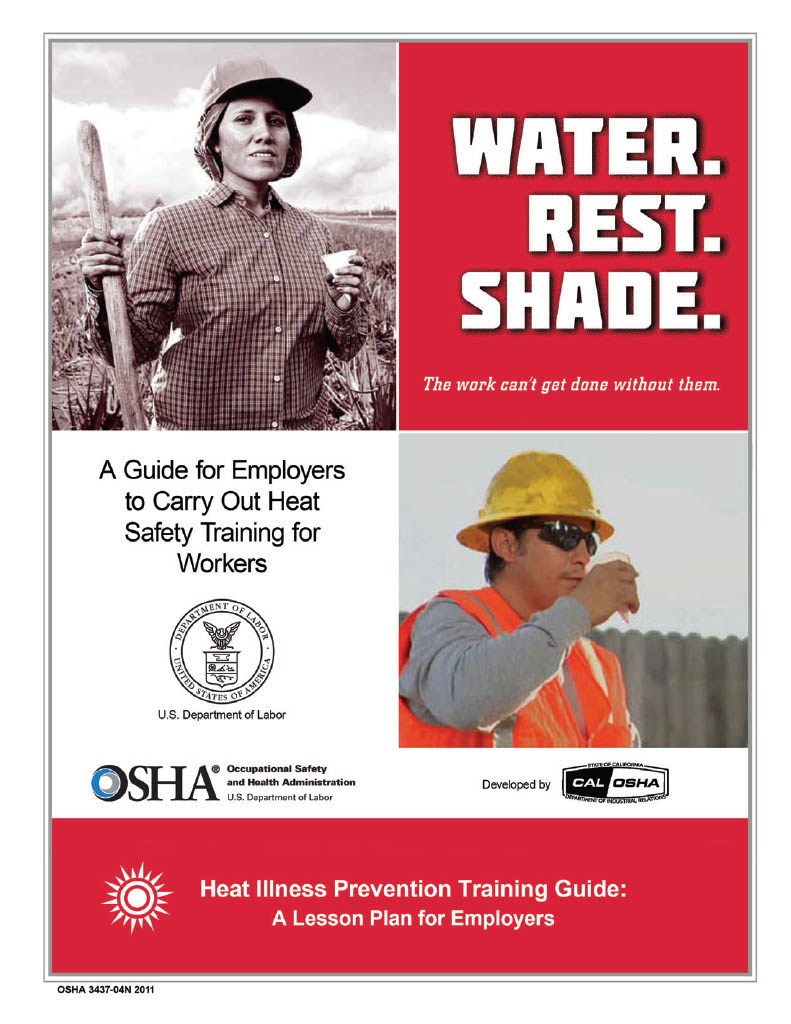
Preventing Heat Stress in Agriculture – Factsheet Updated

The Rutgers NJAES factsheet on “Preventing Heat Stress in Agriculture” has been updated and is now available at https://njaes.rutgers.edu/FS747/. The factsheet provides basic knowledge about heat stress, first-aid treatment, and preventative measures that are important to both agricultural employers and workers. As the temperatures warm up, it’s time to get prepared for working in the heat!

Screenshot of the heading of a factsheet titled Preventing Heat Stress in Agriculture

Beat the Heat: Recognize Signs of Heat Illness

Several types of heat-related illnesses can affect workers and symptoms may be non-specific. When a worker is performing physical labor in warm environments, any unusual symptom may be a sign of heat illness. The chart below from OSHA outlines symptoms and signs that may indicate heat stress. Note that common signs and symptoms include muscle pain, weakness or fatigue, dizziness, heavy sweating, and rapid heart rate. 

Heat-Related Illness 

Symptoms and Signs 

Heat stroke 

  • Confusion 
  • Slurred speech 
  • Unconsciousness 
  • Seizures 
  • Heavy sweating or hot, dry skin 
  • Very high body temperature 
  • Rapid heart rate 
Heat exhaustion 
  • Fatigue 
  • Irritability 
  • Thirst 
  • Nausea or vomiting 
  • Dizziness or lightheadedness 
  • Heavy sweating 
  • Elevated body temperature or fast heart rate 
Heat cramps 
  • Muscle spasms or pain 
  • Usually in legs, arms, or trunk 
Heat syncope 
  • Fainting 
  • Dizziness 
Heat rash 
  • Clusters of red bumps on skin 
  • Often appears on neck, upper chest, and skin folds 
Rhabdomyolysis (muscle breakdown) 
  • Muscle pain 
  • Dark urine or reduced urine output 
  • Weakness 


Employers and workers should become aware of symptoms related to heat stress and heat illness. In addition, knowing what to do when someone is showing signs of heat illness is very important. This resource from NIOSH describes the appropriate first aid for each of these illnesses. Prompt action to provide first aid can make a difference in recovery of persons with heat illness. Multiple heat-related illnesses can occur together, and time is of the essence.  

When in doubt, place the worker in a cool environment and call 911. 

Beat the Heat: Hydration is Key

The body uses water to help dissipate heat through sweat and evaporation of sweat. Water lost as sweat must be replaced through water consumption to help the body maintain temperature regulation. During moderate activity, the CDC recommends drinking at least 1 cup of water every 15-20 minutes to replace water lost through sweat.  

Sports drinks are likely unnecessary to replenish the body’s electrolytes when adequate hydration is combined with regular meals.  However, sports drinks may be beneficial to help balance the body’s water and electrolytes when tasks conducted under hot temperatures result in prolonged sweating over several hours.  

Limit consumption of energy drinks, alcohol, and caffeine-containing beverages such as coffee, tea, and soda. These beverages can contribute to dehydration, increasing the risk of heat illness.  

Staying hydrated starts before work then continues throughout the day and after work. Attention to personal hydration decreases the risk of heat illness and other risks associated with chronic dehydration, such as kidney stones. 

Infographic with different colored teardrops that indicate how urine color corresponds to personal hydration