Search Results for: spotted lanternfly

Tree Fruit IPM Report for August 25, 2022

Peach:

Oriental Fruit Moth: A biofix point for OFM was set on 4/11 in southern counties, and on 4/14 in northern counties. The third generation timings are are over in all regions. Additional treatments should be made if trap captures are over 6 moths per trap.

Insecticide Type
County/Region Degree Days by  7/28 base 45 Conventional

2000-2100 2350-2450

Diamide

20252150 2375-2450

Gloucester – Southern 2437 1st –past

2nd –Past

1st –past

2nd –past

Middlesex – Northern 2394 1st –past

2nd –past

1st –past

2nd –past

Apples and Pears:

Brown Marmorated Stink Bugs: Brown Marmorated Stink bugs are present at low to moderate levels in orchards statewide, However Activity is incresing form both Native and Invasive species. BMSB nymphs have also been seen in some orchards. See the NJ Tree Fruit Production guide for effective materials. In addition to the apple materials listed in the guide, Venerate has a +++ rating for stink bugs and a 0 day PHI.

Codling Moth (CM): Timings for the second generation are updated below.  A biofix was set for CM on April 25th in southern counties, and May 6 in Northern counties (Middlesex County). Second generation treatments according to the degree day model are now over. Additional treatments should be made if trap captures are over 5 moths/trap. Some orchards have had continuing trap captures above threshold.

Codling Moth Degree Day Timing
Application and Insecticide Type
County Area Biofix Intrepid; Diamides – Altacor, Voliam mixes:

1150-1200 +

1450-1500 DD


Cyd-X, Madex

1250 DD + every 7-9 days during brood hatch (later if first spray is an IGR)

Standard Insecticides –  Delegate, Avaunt, OP’s, carbamates, pyrethroids

1250 DD +

1550-1600 DD


DD 1150-1200 1450-1500 1250 1250 1550-1600
Southern April 25 Past Past Past Past Past
Northern May 6 Past past Past Past Past

Lesser Appleworm: Some orchards in southern counties have had internal worm damage that we think is Lesser Apple Worm. This sporadic pest sometimes shows up in late summer and fall. The damage is similar to codling moth. Larvae complete their life cycle quickly and often by the time damage is seen the larvae is already gone. Typically LAW will feed in the fruit calyx and not go into the flesh, however they may also feed on fruit flesh excavating a small hole under the skin and occasionally tunneling into the fruit. Control options are the same as for codling moth.

Grape

Bunch Rots: Disease management continues to focus on downy and powdery mildew and also turns to bunch rot management. Refer to the NJ Commercial Grape Production Guide as well as the linked presentation from Dr. Nita in Virginia. Additional information can be found in this linked presentation from Dr. Bryan Hed at Penn Sate.

Grape Berry Moth: The timing for the third generation is past. In some hot summers a fourth generation may occur, however no further treatments should be needed, especially where insecticides are being applied for SLF and SWD.

Drosophilds and Sour Rot: SWD adults are being caught in and around commercial vineyards. As the sugars start to increase in early verities like Chardonnay, be aware of Spotted Wing Drosophila combined with native fruit fly species. These populations increase at this time of year and help spread sour rot. Sour rot will only be present when you also have injured fruit. Fruit splits and various insects can help cause that initial injury. It is thought that the spotted wing drosophila (SWD), because of its saw-like ovipositor, can help cause this initial injury, helping to make the fruit more attractive to native drosophilid species.  After injury the fruit serves as a food source for ethanol-producing yeasts and acetic acid producing bacteria, the causal agents of sour rot. This in turn attracts more fruit flies to lay more eggs and spread the decay. Good canopy management for air circulation is useful to reduce sour rot incidence. However, this must be combined with insecticides and antimicrobials. A treatment regime that consists of weekly applications of an insecticide (Mustang Maxx (or other pyrethroid), Malathion, Delegate/Entrust, Verdepryn).  Add Oxidate 2.0 if fruit cracking from rain or other causes is observed. Since it is important to rotate insecticide classes when treating this often, growers should use no pyrethroid or other insecticide class more that 2 times in a row. These treatments should be started before the onset of visible sour rot and fruit fly presence.

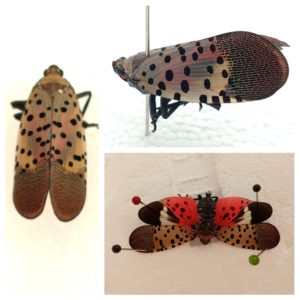
Spotted Lantern Fly: Spotted lantern fly adults are now appearing in vineyards. At this stage border treatments with effective materials should be adequate since most adults will be found on vineyard edges and populations will be low. As we move into September adult migration will increase and at that point growers should apply materials with long residual efficacy (refer to the table from Penn Sate below. *Chlorpyrifos is no longer labeled for food use.) More information on biology and control can be found from Penn State.


Tree  Fruit Trap Counts – Southern Counties

Weekending STLM TABM-A CM BMSB OFM-A DWB OFM-P TABM-P LPTB PTB
4/9/2022 2 0 0
4/16/2022 0 2 3
4/23/2022 11 0 0 28 5 0 0
4/30/2022 5 0 1 31 4 0 0
5/7/2022 5 1 3 50 4 0 0
5/14/2022 8 5 3 19 2 0 0
5/21/2022 3 5 5 20 2 7 3
5/28/2022 0 19 3 13 0 11 36
6/4/2022 0 10 3 5 1 13 49 0
6/11/2022 0 9 2 6 36 0 8 47 3
6/18/2022 0 4 1 0 62 0 3 13 1
6/25/2022 16 0 0 6 3 16 0 0 18 4
7/2/2022 24 0 0 6 3 24 0 0 18 4
7/9/2022 10 4 2 15 6 31 0 0 15 3
7/16/2022 2 0 7 1 5 12 0 0 5 7
7/23/2022 15 0 5 1 2 12 0 0 14 2
7/31/2022 16 2 5 2 4 12 1 1 11 3
8/6/2022 10 0 4 0 3 31 2 0 21 4
8/13/2022 3 1 4 1 3 37 2 0 41 7
8/20/2022 1 1 9 4 6 56 2 2 21 6


Tree  Fruit Trap Counts – Northern Counties

Weekending STLM TABM-A CM BMSB OFM-A DWB OFM-P TABM-P LPTB PTB
4/9/2022
4/16/2022 0 0 1
4/23/2022 0 0 2 0
4/30/2022 0 0 2.5 0
5/7/2022 0 1 4 0
5/14/2022 1 2 0 5 0.5 0 0
5/21/2022 6 8 4 27 2 5 6 5 0
5/28/2022 34 19 3 6 13 1 23 15 0
6/4/2022 17 21 4 4 11 1 27 17 0
6/11/2022 22 25 2 1 4 0 30 9 0
6/18/2022 66 20 2 2 2 5 2 27 7 0
6/25/2022 58 21 1 8 8 2 4 22 4 0
7/2/2022 55 7 1 1 14 15 2 9 4 1
7/9/2022 60 3 1 2 8 20 2 4 5 1
7/16/2022 64 1 1 3 2 19 3 1 4 3
7/23/2022 97 1 1 2 7 18 3 1 3 3
7/31/2022 46 1 2 2 13 22 4 1 2 3
8/6/2022 26 1 1 1 5 20 3 1 4 3
8/13/2022 26 1 1 2 6 29 2 2 4 3
17 3 0 3 23 28 2 4 5 3


Pest Event or Growth Stage Approximate Date 2022 Observed Date
 Bud Swell (Redhaven)  March 23 +/- 15 Days March 20
1/4″ Green Tip Red Delicious March 31 +/- 13 Days March 21
Pink Peach (Redhaven) April 4 +/- 15 Days March 31
Tight Cluster Red Delicious April 9 +/- 13 Days March 31
Full Bloom Peach (Redhaven) April 9 +/- 14 Days April 10
Pink Apple (Red Delicious) April 14 +/- 12 Days April 14
Full Bloom Apple (Red Delicious) April 22 +/- 11 Days April 21
Petal Fall (Redhaven) April 22 +/- 10 Days April 14
Petal Fall (Red Delicious) April 27 +/- 13 Days May 3
Shuck Split (Redhaven) April 30 +/- 11 Days April 26
Pit Hardening June 15 +/- 9 Days June 10


Tree Fruit IPM Report for August 18, 2022

Peach:

Oriental Fruit Moth: A biofix point for OFM was set on 4/11 in southern counties, and on 4/14 in northern counties. The third generation timings are are over in all regions. Additional treatments should be made if trap captures are over 6 moths per trap.

Insecticide Type
County/Region Degree Days by  7/28 base 45 Conventional

2000-2100 2350-2450

Diamide

20252150 2375-2450

Gloucester – Southern 2437 1st –past

2nd –Past

1st –past

2nd –past

Middlesex – Northern 2394 1st –past

2nd –past

1st –past

2nd –past

Scale Insects: White Peach Scale crawler emergence has ended for this generation. San Jose Scale Crawler emergence is past peak and declining. White Peach scale has a third generation in September and San Jose scale may have a third generation in October. Options at this point include: Assail, Belay (Group 4A); and the bioinsecticide Venerate. These products may provide some late season suppression where fruit damage is observed. Only Venerate has a 0 day PHI, making it useful for blocks near or at harvest.

Apples and Pears:

Diseases: Summer scab, rots and sooty blotch and fly speck are the main targets at this stage. Where scab is present rely primarily on protectant fungicides. Last year Captan plus a phosphorous acid like Prophyt was observed to slow scab development as well as provide good summer disease control. Merivon and Luna Sensation are good materials to use close to harvest. thaey are very effective for summer diseases and leave little residue.

Brown Marmorated Stink Bugs: Brown Marmorated Stink bugs are present at low to moderate levels in orchards statewide. See the NJ Tree Fruit Production guide for effective materials.

Codling Moth (CM): Timings for the second generation are updated below.  A biofix was set for CM on April 25th in southern counties, and May 6 in Northern counties (Middlesex County). Second generation treatments according to the degree day model are now over. Additional treatments should be made if trap captures are over 5 moths/trap. Some orchards have had continuing trap captures above threshold.

Codling Moth Degree Day Timing
Application and Insecticide Type
County Area Biofix Intrepid; Diamides – Altacor, Voliam mixes:

1150-1200 +

1450-1500 DD


Cyd-X, Madex

1250 DD + every 7-9 days during brood hatch (later if first spray is an IGR)

Standard Insecticides –  Delegate, Avaunt, OP’s, carbamates, pyrethroids

1250 DD +

1550-1600 DD


DD 1150-1200 1450-1500 1250 1250 1550-1600
Southern April 25 Past Past Past Past Past
Northern May 6 Past past Past Past Past

Scale Insects: For San Jose scale see the peach section above.

Grape

Bunch Rots: Grapes are beginning veraison in southern counties. Disease management continues to focus on downy and powdery mildew and and now also turns to bunch rot management. Refer to the NJ Commercial Grape Production Guide as well as the linked presentation from Dr. Nita in Virginia. Additional information can be found in this linked presentation from Dr. Bryan Hed at Penn Sate.

Grape Berry Moth: The timing for the third generation is past. In some hot summers a fourth generation may occur, however no further treatments should be needed, especially where insecticides are being applied for SLF.

Spotted Lantern Fly: Spotted lantern fly adults are now appearing in vineyards. At this stage border treatments with effective materials should be adequate since most adults will be found on vineyard edges and populations will be low. As we move into September adult migration will increase and at that point growers should apply materials with long residual efficacy (refer to the table from Penn Sate below.) More information on biology and control can be found from Penn State.


Drosophilds and Sour Rot: SWD adults are being caught in and around commercial vineyards. As the sugars start to increase in early verities like Chardonnay, be aware of Spotted Wing Drosophila combined with native fruit fly species. These populations increase at this time of year and help spread sour rot. Sour rot will only be present when you also have injured fruit. Fruit splits and various insects can help cause that initial injury. It is thought that the spotted wing drosophila (SWD), because of its saw-like ovipositor, can help cause this initial injury, helping to make the fruit more attractive to native drosophilid species.  After injury the fruit serves as a food source for ethanol-producing yeasts and acetic acid producing bacteria, the causal agents of sour rot. This in turn attracts more fruit flies to lay more eggs and spread the decay. Good canopy management for air circulation is useful to reduce sour rot incidence. However, this must be combined with insecticides and antimicrobials. A treatment regime that consists of weekly applications of an insecticide (Mustang Maxx (or other pyrethroid), Malathion, Delegate/Entrust, Verdepryn).  Add Oxidate 2.0 if fruit cracking from rain or other causes is observed. Since it is important to rotate insecticide classes when treating this often, growers should use no pyrethroid or other insecticide class more that 2 times in a row. These treatments should be started before the onset of visible sour rot and fruit fly presence.

Tree  Fruit Trap Counts – Southern Counties

Weekending STLM TABM-A CM BMSB OFM-A DWB OFM-P TABM-P LPTB PTB
4/9/2022 2 0 0
4/16/2022 0 2 3
4/23/2022 11 0 0 28 5 0 0
4/30/2022 5 0 1 31 4 0 0
5/7/2022 5 1 3 50 4 0 0
5/14/2022 8 5 3 19 2 0 0
5/21/2022 3 5 5 20 2 7 3
5/28/2022 0 19 3 13 0 11 36
6/4/2022 0 10 3 5 1 13 49 0
6/11/2022 0 9 2 6 36 0 8 47 3
6/18/2022 0 4 1 0 62 0 3 13 1
6/25/2022 16 0 0 6 3 16 0 0 18 4
7/2/2022 24 0 0 6 3 24 0 0 18 4
7/9/2022 10 4 2 15 6 31 0 0 15 3
7/16/2022 2 0 7 1 5 12 0 0 5 7
7/23/2022 15 0 5 1 2 12 0 0 14 2
7/31/2022 16 2 5 2 4 12 1 1 11 3
8/6/2022 10 0 4 0 3 31 2 0 21 4
8/13/2022 3 1 4 1 3 37 2 0 41 7


Tree  Fruit Trap Counts – Northern Counties

Weekending STLM TABM-A CM BMSB OFM-A DWB OFM-P TABM-P LPTB PTB
4/9/2022
4/16/2022 0 0 1
4/23/2022 0 0 2 0
4/30/2022 0 0 2.5 0
5/7/2022 0 1 4 0
5/14/2022 1 2 0 5 0.5 0 0
5/21/2022 6 8 4 27 2 5 6 5 0
5/28/2022 34 19 3 6 13 1 23 15 0
6/4/2022 17 21 4 4 11 1 27 17 0
6/11/2022 22 25 2 1 4 0 30 9 0
6/18/2022 66 20 2 2 2 5 2 27 7 0
6/25/2022 58 21 1 8 8 2 4 22 4 0
7/2/2022 55 7 1 1 14 15 2 9 4 1
7/9/2022 60 3 1 2 8 20 2 4 5 1
7/16/2022 64 1 1 3 2 19 3 1 4 3
7/23/2022 97 1 1 2 7 18 3 1 3 3
7/31/2022 46 1 2 2 13 22 4 1 2 3
8/6/2022 26 1 1 1 5 20 3 1 4 3
26 01 1 2 6 29 2 2 4 3


Pest Event or Growth Stage Approximate Date 2022 Observed Date
 Bud Swell (Redhaven)  March 23 +/- 15 Days March 20
1/4″ Green Tip Red Delicious March 31 +/- 13 Days March 21
Pink Peach (Redhaven) April 4 +/- 15 Days March 31
Tight Cluster Red Delicious April 9 +/- 13 Days March 31
Full Bloom Peach (Redhaven) April 9 +/- 14 Days April 10
Pink Apple (Red Delicious) April 14 +/- 12 Days April 14
Full Bloom Apple (Red Delicious) April 22 +/- 11 Days April 21
Petal Fall (Redhaven) April 22 +/- 10 Days April 14
Petal Fall (Red Delicious) April 27 +/- 13 Days May 3
Shuck Split (Redhaven) April 30 +/- 11 Days April 26
Pit Hardening June 15 +/- 9 Days June 10


Tree Fruit IPM Report for August 8, 2022

Peach:

Oriental Fruit Moth: A biofix point for OFM was set on 4/11 in southern counties, and on 4/14 in northern counties. The third generation timings are are over in all regions. Additional treatments should be made if trap captures are over 6 moths per trap.

Insecticide Type
County/Region Degree Days by  7/28 base 45 Conventional

2000-2100 2350-2450

Diamide

20252150 2375-2450

Gloucester – Southern 2437 1st –past

2nd –7/26-7/28

1st –past

2nd –7/26-7/28

Middlesex – Northern 2394 1st –past

2nd –past

1st –past

2nd –past

Scale Insects: Second generation crawler emergence has started for both San Jose and White Peach scale and will last well into August. White Peach scale has a third generation in September and San Jose scale may have a third generation in October. Esteem and Centaur are both good scale materials. Esteem and Centaur should be applied at the start of crawler emergence. These materials should only need one application. Other options include: Assail, Belay, Actara (Group 4A): Closer (Group 4C); Sivanto (Group 4D) and the bioinsecticide Venerate. These products may need more than one application, typically 2 applications bracketing peak crawler emergence which should occur between the first and third week of August. Only Venerate has a 0 day PHI, making it useful for blocks near or at harvest. Diazinon is also still labelled for peach and apple: for San Jose Scale, it is labeled at a rate of 1#/100 with a 21 day PHI for both peach and apple; for White Peach Scale it is labeled at a rate of 1.5-2#/100 for post-harvest application only. The label requires 14 days between applications. These products may need more than one application, typically 2 applications bracketing peak crawler emergence which should occur between the first and third week of August.

Apples and Pears:

Diseases: Summer scab, rots and sooty blotch and fly speck are the main targets at this stage. Where scab is present rely primarily on protectant fungicides. Last year Captan plus a phosphorous acid like Prophyt was observed to slow scab development as well as provide good summer disease control.

Brown Marmorated Stink Bugs: Brown Marmorated Stink bugs are present at low to moderate levels in orchards statewide. See the NJ Tree Fruit Production guide for effective materials.

Codling Moth (CM): Timings for the second generation are updated below.  A biofix was set for CM on April 25th in southern counties, and May 6 in Northern counties (Middlesex County). Second generation treatments according to the degree day model are now over. Additional treatments should be made if trap captures are over 5 moths/trap. Some orchards have had continuing trap captures above threshold.

Codling Moth Degree Day Timing
Application and Insecticide Type
County Area Biofix Intrepid; Diamides – Altacor, Voliam mixes:

1150-1200 +

1450-1500 DD


Cyd-X, Madex

1250 DD + every 7-9 days during brood hatch (later if first spray is an IGR)

Standard Insecticides –  Delegate, Avaunt, OP’s, carbamates, pyrethroids

1250 DD +

1550-1600 DD


DD 1150-1200 1450-1500 1250 1250 1550-1600
Southern April 25 Past Past Past Past Past
Northern May 6 Past past Past Past Past

Scale Insects: For San Jose scale see the peach section above.

Grape

Bunch Rots: Grapes are beginning veraison in southern counties. Disease management continues to focus on downy and powdery mildew and and now also turns to bunch rot management. Refer to the NJ Commercial Grape Production Guide as well as the linked presentation from Dr. Nita in Virginia. Additional information can be found in this linked presentation from Dr. Bryan Hed at Penn Sate.

Grape Berry Moth: The timing for the third generation is past. In some hot summers a fourth generation may occur, however no further treatments should be needed, especially where insecticides are being applied for SLF.

Spotted Lantern Fly: Spotted lantern fly adults are now appearing in vineyards. At this stage it is border treatments with effective materials should be adequate since most adults will be found on vineyard edges and populations will be low. As we move into September adult migration will increase and at that point growers should apply materials with long residual efficacy (refer to the table from Penn Sate below.) More information on biology and control can be found from Penn State.


Tree  Fruit Trap Counts – Southern Counties

Weekending STLM TABM-A CM BMSB OFM-A DWB OFM-P TABM-P LPTB PTB
4/9/2022 2 0 0
4/16/2022 0 2 3
4/23/2022 11 0 0 28 5 0 0
4/30/2022 5 0 1 31 4 0 0
5/7/2022 5 1 3 50 4 0 0
5/14/2022 8 5 3 19 2 0 0
5/21/2022 3 5 5 20 2 7 3
5/28/2022 0 19 3 13 0 11 36
6/4/2022 0 10 3 5 1 13 49 0
6/11/2022 0 9 2 6 36 0 8 47 3
6/18/2022 0 4 1 0 62 0 3 13 1
6/25/2022 16 0 0 6 3 16 0 0 18 4
7/2/2022 24 0 0 6 3 24 0 0 18 4
7/9/2022 10 4 2 15 6 31 0 0 15 3
7/16/2022 2 0 7 1 5 12 0 0 5 7
7/23/2022 15 0 5 1 2 12 0 0 14 2
7/31/2022 16 2 5 2 4 12 1 1 11 3
8/6/2022 10 0 4 0 3 31 2 0 21 4


Tree  Fruit Trap Counts – Northern Counties

Weekending STLM TABM-A CM BMSB OFM-A DWB OFM-P TABM-P LPTB PTB
4/9/2022
4/16/2022 0 0 1
4/23/2022 0 0 2 0
4/30/2022 0 0 2.5 0
5/7/2022 0 1 4 0
5/14/2022 1 2 0 5 0.5 0 0
5/21/2022 6 8 4 27 2 5 6 5 0
5/28/2022 34 19 3 6 13 1 23 15 0
6/4/2022 17 21 4 4 11 1 27 17 0
6/11/2022 22 25 2 1 4 0 30 9 0
6/18/2022 66 20 2 2 2 5 2 27 7 0
6/25/2022 58 21 1 8 8 2 4 22 4 0
7/2/2022 55 7 1 1 14 15 2 9 4 1
7/9/2022 60 3 1 2 8 20 2 4 5 1
7/16/2022 64 1 1 3 2 19 3 1 4 3
7/23/2022 97 1 1 2 7 18 3 1 3 3
7/31/2022 46 1 2 2 13 22 4 1 2 3
8/6/2022 26 1 1 1 5 20 3 1 4 3


Pest Event or Growth Stage Approximate Date 2022 Observed Date
 Bud Swell (Redhaven)  March 23 +/- 15 Days March 20
1/4″ Green Tip Red Delicious March 31 +/- 13 Days March 21
Pink Peach (Redhaven) April 4 +/- 15 Days March 31
Tight Cluster Red Delicious April 9 +/- 13 Days March 31
Full Bloom Peach (Redhaven) April 9 +/- 14 Days April 10
Pink Apple (Red Delicious) April 14 +/- 12 Days April 14
Full Bloom Apple (Red Delicious) April 22 +/- 11 Days April 21
Petal Fall (Redhaven) April 22 +/- 10 Days April 14
Petal Fall (Red Delicious) April 27 +/- 13 Days May 3
Shuck Split (Redhaven) April 30 +/- 11 Days April 26
Pit Hardening June 15 +/- 9 Days June 10


Tree Fruit IPM Report for June 30, 2022

Peach:

Oriental Fruit Moth: A biofix point for OFM was set on 4/11 in southern counties, and on 4/14 in northern counties. The second generation timings are updated below.

Insecticide Type
County/Region Degree Days by  6/30 base 45 Conventional

1150-1200 1450-1500

Diamide

1075-1150 1375-1450

Gloucester – Southern 1522 1st –past

2nd –past

1st –past

2nd –past

Middlesex – Northern 1447 1st –past

2nd –6/30-7/2

1st –past

2nd –6/29-6/30


Japanese Beetles: Japanese beetles have emerged and have been observed in some orchards. Products containing imidacloprid (Admire Pro, etc.) are effective and have a short preharvest interval. See the Tree Fruit Production guide for more information.

Tarnished Plant Bugs; and Other Catfacing Insects: Catfacing insect activity is increasing with the arrival of hot weather and is present at moderate to high levels in some orchards. Brown Marmorated Stink bugs are present at low to moderate levels in orchards statewide.

Lesser Peach Tree Borer and Peach Tree Borer: Lesser Borer adults are flying in all growing regions. Greater Peach tree borers are now flying in southern counties.

Apples and Pears:

Diseases: Summer scab, rots and sooty blotch and fly speck are the main targets at this stage. Where scab is present rely primarily on protectant fungicides. Last year Captan plus a phosphorous acid like Prophyt was observed to slow scab development as well as provide good summer disease control.

Codling Moth (CM): The Second CM flight will be starting soon. If trap captures are above 5 moths/trap continue using effective materials. A biofix was set for CM on April 25th in southern counties, and May 6 in Northern counties (Middlesex County). Estimated timings for the second generation are updated below.

Codling Moth Degree Day Timing
Application and Insecticide Type
County Area Biofix Intrepid; Diamides – Altacor, Voliam mixes:

1150-1200 +

1450-1500 DD


Cyd-X, Madex

1250 DD + every 7-9 days during brood hatch (later if first spray is an IGR)

Standard Insecticides –  Delegate, Avaunt, OP’s, carbamates, pyrethroids

1250 DD +

1550-1600 DD


DD 1150-1200 1450-1500 1250 1250 1550-1600
Southern April 25 7/3-7/5 too far off 7/7 7/7 too far off
Northern May 6 7/6-7/7 too far off 7/9 7/9 too far off

Grapes:

Diseases: Grape diseases active at this growth stage are powdery mildew, downy mildew, and black rot.

Phomopsis on grape leaves and cane. (Photo – D. Schmitt)

Black rot leaf lesion on grape (Photo – D. Schmitt)

Phomopsis and downy mildew symptoms are present in southern counties. Black rot symptoms have not yet been observed but should appear any time now. Disease infection periods can be monitored using the NEWA models. Choose the weather station closest to your vineyard.

Insects: Leafhoppers have been seen in a few spots. This complex is generally not of concern. Potato leafhoppers, which arrive sometime in June, can cause some minor damage. Spotted Lantern Fly nymphs are present in high numbers on many vineyards. These nymphs do little damage and generally don’t need special treatments when present. Even so, vineyards should be monitored for SLF presence and if they are found use an insecticide effective for SLF when treating for Grape Berry Moth. More information for SLF can be found at the Penn State SLF website.

Downy Mildew on grape Leaves. (Photo – D. Schmitt)

Grape Berry Moth (GBM): The biofix in southern counties for GBM was  5/25. Timing for the second generation treatments using Diamides or Intrepid is set at 810 degree days base 470F. Other materials may be applied a few days later. Given the current weather patterns, this should be about the late June/early July in southern counties. Insecticides that will control both GBM and SLF include pyrethroids and premixes such as Leverage and Voliam Flexi. Voliam Flexi is a diamide premix and should be applied at the 810 degree day timing.


Tree  Fruit Trap Counts – Southern Counties

Weekending STLM TABM-A CM BMSB OFM-A DWB OFM-P TABM-P LPTB PTB
4/9/2022 2 0 0
4/16/2022 0 2 3
4/23/2022 11 0 0 28 5 0 0
4/30/2022 5 0 1 31 4 0 0
5/7/2022 5 1 3 50 4 0 0
5/14/2022 8 5 3 19 2 0 0
5/21/2022 3 5 5 20 2 7 3
5/28/2022 0 19 3 13 0 11 36
6/4/2022 0 10 3 5 1 13 49 0
6/11/2022 0 9 2 6 36 0 8 47 3
6/18/2022 0 4 1 0 62 0 3 13 1
6/25/2022 16 0 0 6 3 16 0 0 18 4


Tree  Fruit Trap Counts – Northern Counties

Weekending STLM TABM-A CM BMSB OFM-A DWB OFM-P TABM-P LPTB PTB
4/9/2022
4/16/2022 0 0 1
4/23/2022 0 0 2 0
4/30/2022 0 0 2.5 0
5/7/2022 0 1 4 0
5/14/2022 1 2 0 5 0.5 0 0
5/21/2022 6 8 4 27 2 5 6 5 0
5/28/2022 34 19 3 6 13 1 23 15 0
6/4/2022 17 21 4 4 11 1 27 17 0
6/11/2022 22 25 2 1 4 0 30 9 0
6/18/2022 66 20 2 2 2 5 2 27 7 0
6/25/2022 58 21 1 8 8 2 4 22 4 0


Pest Event or Growth Stage Approximate Date 2022 Observed Date
 Bud Swell (Redhaven)  March 23 +/- 15 Days March 20
1/4″ Green Tip Red Delicious March 31 +/- 13 Days March 21
Pink Peach (Redhaven) April 4 +/- 15 Days March 31
Tight Cluster Red Delicious April 9 +/- 13 Days March 31
Full Bloom Peach (Redhaven) April 9 +/- 14 Days April 10
Pink Apple (Red Delicious) April 14 +/- 12 Days April 14
Full Bloom Apple (Red Delicious) April 22 +/- 11 Days April 21
Petal Fall (Redhaven) April 22 +/- 10 Days April 14
Petal Fall (Red Delicious) April 27 +/- 13 Days May 3
Shuck Split (Redhaven) April 30 +/- 11 Days April 26
Pit Hardening June 15 +/- 9 Days June 10


Tree Fruit IPM Report for June 21, 2022

Peach:

Oriental Fruit Moth: A biofix point for OFM was set on 4/11 in southern counties, and on 4/14 in northern counties. The second generation timings are updated below.

Insecticide Type
County/Region Degree Days by  6/8 base 45 Conventional

1150-1200 1450-1500

Diamide

1075-1150 1375-1450

Gloucester – Southern 1281 1st –6/14-6/16

2nd –6/27-6/28

1st –6/12-6/15

2nd –6/24-6/27

Middlesex – Northern 1201 1st –6/18-6/21

2nd –6/30-6/31

1st –6/15-6/18

2nd –6/29-6/30


Tarnished Plant Bugs; and Other Catfacing Insects: Catfacing insect activity is increasing with the arrival of hot weather and is present at moderate to high levels in some orchards. Brown Marmorated Stink bugs are present at low to moderate levels in orchards statewide.

Lesser Peach Tree Borer and Peach Tree Borer: Lesser Borer adults are flying in all growing regions. Greater Peach tree borers are now flying in southern counties.

Apples and Pears:

Diseases: Fire blight and Scab are present at low levels in a few orchards. Fire Blight is increasing. It should be cut out using the ugly stub method. Potato leafhoppers can spread it so they should not be tolerated. Summer scab, rots and sooty blotch and fly speck are the main targets at this stage. Where scab is present rely primarily on protectant fungicides. Last year Captan plus a phosphorous acid like Prophyt was observed to slow scab development as well as provide good summer disease control.

Codling Moth (CM): The Second CM flight will be starting soon. If trap captures are above 5 moths/trap continue using effective materials. A biofix was set for CM on April 25th in southern counties, and May 6 in Northern counties (Middlesex County). estimated timings for the second generation are updated below.

Codling Moth Degree Day Timing
Application and Insecticide Type
County Area Biofix Intrepid; Diamides – Altacor, Voliam mixes:

1150-1200 +

1450-1500 DD


Cyd-X, Madex

1250 DD + every 7-9 days during brood hatch (later if first spray is an IGR)

Standard Insecticides –  Delegate, Avaunt, OP’s, carbamates, pyrethroids

1250 DD +

1550-1600 DD


DD 1150-1200 1450-1500 1250 1250 1550-1600
Southern April 25 7/3-7/5 too far off 7/7 7/7 too far off
Northern May 6 7/5-7/7 too far off 7/9 7/9 too far off

Grapes:

Diseases: Grape diseases active at this growth stage are phomopsis, powdery mildew, downy mildew, ripe rot, and black rot.

Phomopsis on grape leaves and cane. (Photo – D. Schmitt)

Black rot leaf lesion on grape (Photo – D. Schmitt)

Phomopsis and downy mildew symptoms are present in southern counties. Black rot symptoms have not yet been observed but should appear any time now. Disease infection periods can be monitored using the NEWA models. Choose the weather station closest to your vineyard.

Insects: Leafhoppers have been seen in a few spots. This complex is generally not of concern. Potato leafhoppers, which arrive sometime in June, can cause some minor damage. Spotted Lantern Fly nymphs are present in high numbers on many vineyards. These nymphs do little damage and generally don’t need special treatments when present. Even so, vineyards should be monitored for SLF presence and if they are found use an insecticide effective for SLF when treating for Grape Berry Moth. More information for SLF can be found at the Penn State SLF website.

Downy Mildew on grape Leaves. (Photo – D. Schmitt)

Grape Berry Moth (GBM): The biofix in southern counties for GBM was  5/25. Model timing will predict IGR and diamide materials for the second generation. The first generation is not really important in cultivated grapes. Timing for the second generation treatments using Diamides or Intrepid is set at 810 degree days base 470F. Other materials may be applied a few days later. Given the current weather patterns, this should be about the late June/early July in southern counties. Insecticides that will control both GBM and SLF include pyrethroids and premixes such as Leverage and Voliam Flexi. Voliam Flexi is a diamide premix and should be applied at the 810 degree day timing.

Tree  Fruit Trap Counts – Southern Counties

Weekending STLM TABM-A CM BMSB OFM-A DWB OFM-P TABM-P LPTB PTB
4/9/2022 2 0 0
4/16/2022 0 2 3
4/23/2022 11 0 0 28 5 0 0
4/30/2022 5 0 1 31 4 0 0
5/7/2022 5 1 3 50 4 0 0
5/14/2022 8 5 3 19 2 0 0
5/21/2022 3 5 5 20 2 7 3
5/28/2022 0 19 3 13 0 11 36
6/4/2022 0 10 3 5 1 13 49 0
6/11/2022 0 9 2 6 36 0 8 47 3
6/18/2022 0 4 1 0 62 0 3 13 1


Tree  Fruit Trap Counts – Northern Counties

Weekending STLM TABM-A CM BMSB OFM-A DWB OFM-P TABM-P LPTB PTB
4/9/2022
4/16/2022 0 0 1
4/23/2022 0 0 2 0
4/30/2022 0 0 2.5 0
5/7/2022 0 1 4 0
5/14/2022 1 2 0 5 0.5 0 0
5/21/2022 6 8 4 27 2 5 6 5 0
5/28/2022 34 19 3 6 13 1 23 15 0
6/4/2022 17 21 4 4 11 1 27 17 0
6/11/2022 22 25 2 1 4 0 30 9 0
6/18/2022 66 20 2 2 2 5 2 27 7 0


Pest Event or Growth Stage Approximate Date 2022 Observed Date
 Bud Swell (Redhaven)  March 23 +/- 15 Days March 20
1/4″ Green Tip Red Delicious March 31 +/- 13 Days March 21
Pink Peach (Redhaven) April 4 +/- 15 Days March 31
Tight Cluster Red Delicious April 9 +/- 13 Days March 31
Full Bloom Peach (Redhaven) April 9 +/- 14 Days April 10
Pink Apple (Red Delicious) April 14 +/- 12 Days April 14
Full Bloom Apple (Red Delicious) April 22 +/- 11 Days April 21
Petal Fall (Redhaven) April 22 +/- 10 Days April 14
Petal Fall (Red Delicious) April 27 +/- 13 Days May 3
Shuck Split (Redhaven) April 30 +/- 11 Days April 26
Pit Hardening June 15 +/- 9 Days June 10


Tree Fruit IPM Report for May 3, 2022

Peach:

Bacterial Spot: Generally we recommend starting at 0.5 ozs metallic copper and gradually lowering the rate as the season progresses. The rate applied will depend on the formulation. Dr. Lalancette published a chart listing common copper formulations and rates for peach and nectarine applications. Avoid combining copper with captan especially if it has been overcast for several days. Also avoid acidic spray solutions when applying copper. Dr. Lalancette has published a handy guide for copper applications in early covers. Antibiotics such as Mycoshield or Fireline may also be used and may offer slightly more residual activity during long wetting periods.

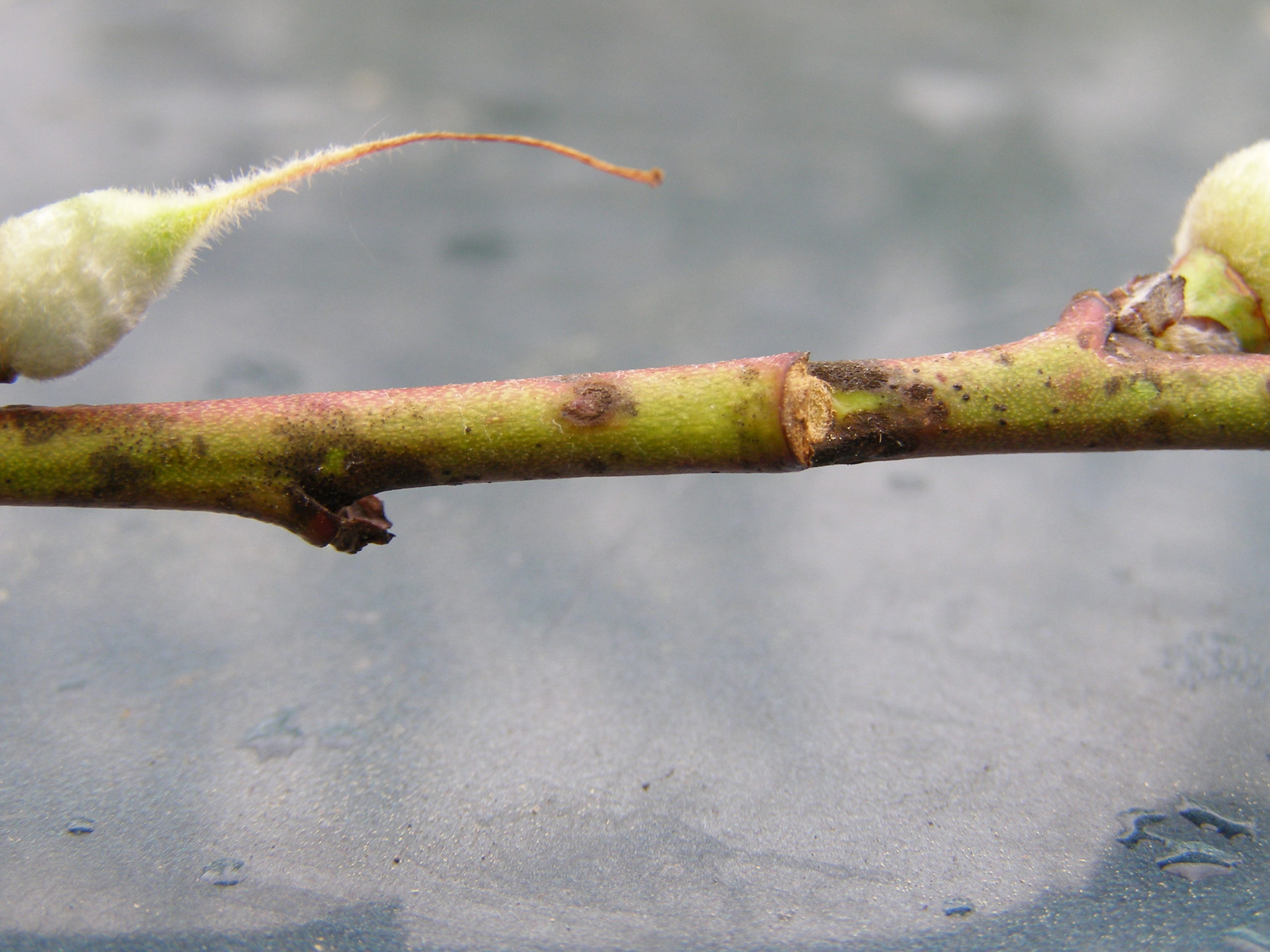
Peach Scab: In addition to Rusty Spot and Bacterial Spot, Peach Scab requires protective applications starting at petal fall. Peach scab cankers (Fig. 2) begin to expand at bloom and by shuck split begin to shed spores during wetting periods. Topsin, Topsin/Captan combinations, Flint Extra, Inspire Super, and especially Quadris Top applied at petal fall are the best materials for blocks that had scab last year. Quadris Top, Flint Extra or Topsin should be used at the high rate to suppress overwintering lesions on the wood. Quadris Top contains azoxystrobin which is phytotoxic to many apple varieties. Phytotoxic residues can remain in the tank for long periods after an application is made, even if a tank cleaner is used. Do not use Quadris Top or Abound in the same sprayer used for apples. Bravo (chlorothalonil) is also a good protectant that may be applied no later than shuck split. Captan is also helpful in cover sprays after shuck split where scab was troublesome last year.

Fig. 2 Peach Scab lesions on peach twig.


Oriental Fruit Moth: A biofix point for OFM was set on 4/11 in southern counties, and on 4/14 in northern counties. The first insecticides for first generation Oriental Fruit Moth control should be applied at 170-200 degree days base 45 after biofix. This timing generally coincides with petal fall in peaches. Currently we have accumulated 87 Degree days from the biofix. The timing for the first insecticides for OFM will be on or about 4/26-4/28 in southern counties. In northern counties the timing will be about a week later.

OFM 1st Generation Timing
Insecticide Type
County/Region Degree Days by  4/27 base 45 Conventional

170-200, 350-375

Diamide

100-150, 300-350

Gloucester – Southern 212 1st – past

2nd –5/18-5/21

1st – past

2nd –5/11-5/18

Middlesex – Northern 154 1st – 5/3-5/5

2nd – too far off

1st – 4/26-5/4

2nd –too far off

Green Peach Aphid: GPA colonies begin forming sometime during bloom. Examine trees for the presence of colonies from pink to shuck split. Count the number of colonies on ten trees and use a treatment threshold of 2 colonies/tree at petal fall for peach, and 1 colony/tree for nectarine. The best way to scout for aphids during bloom is with a beating tray. Blossoms may also be collected, opened, and examined for the presence of aphids using a hand lens. This is particularly important for nectarine blocks. Check 10 trees per block with the beating tray. Collect 50 blossoms per block and examine for the presence of aphids. If more than 1 colony of aphids are found in nectarines, or 2-3 colonies are found in peaches, an insecticide for aphids will be needed when all petals are off. See the NJ Commercial Tree Fruit Production Guide for recommended materials and rates. Aphid colonies are now visible in southern county orchards.

Plum Curculio; Tarnished Plant Bugs; and Other Catfacing Insects: Plum Curculio start to move into orchards at about 88-100 degree days base 50 after January 1. Applications for PC should be initiated once all petals are off, with a second application made with ovicidal materials at 379-402 DD. Growers can monitor degree day development at their site by finding the nearest weather station and using the degree day development tool at NEWA. Catfacing insects are starting activity but cause little damage at this time of the year. Catfacing insects will become more of an issue as temperatures warm and mowing and other ground cover activities become more common after bloom. Insecticides for catfacing insects are not recommended until after all petals are off.

Scale Insects: White peach scale (WPS) crawlers are close to emergence in southern counties, probably in about a week to 10 days. San Jose scale (SJS) crawlers usually begin emergence about a week or ten days later, usually late May/Early June. If you have scale infestations on your trees, it is important to note if crawlers are present, even if you treated with oil in the early spring. If crawlers are present then treatment options include Esteem, Movento, Centaur, Venerate, and Diazinon. Esteem, Centaur, Venerate and Movento should be applied at the beginning of crawler emergence. Venerate needs to be applied at the low rate of 1 qt/A and may need more than one application. Diazinon is labeled for only one post bloom or foliar application on stone fruit (Rec = max. of 2 lb/acre of the 50W). The apple label allows up to 2 foliar applications per year as long as a prebloom application was not made. Foliar applications may cause russet on apples, but has worked in the field for scale crawlers as long as applications are made 1-2 weeks after the start of crawler emergence and again 2 weeks later. Belay and Assail are also effective against scale crawlers but may need more than one application during the emergence which typically lasts about 4 weeks for WPS and 6 weeks for SJS.

Apples and Pears:

Diseases: Fire Blight, Apple Scab, Rust diseases, and Powdery Mildew are the main targets at this stage. The NEWA apple scab model is estimating about 98% ascospore maturity as of 4/26 in southern NJ with 98% of cumulative ascospores discharged. We are nearing the end of primary scab season in southern counties. Northern counties will have less ascospore maturity. Primary apple scab spores are released during any substantial infection period. More information can be found in this blogpost from Penn State. Between tight cluster and first cover include products effective  for powdery mildew and cedar apple rust. To manage Fire Blight in both apples and pears, consider using Kasumin at bloom. Kasumin is an antibiotic like Streptomycin and Oxytetratracycline. It contains Kasugamycin which is a different chemistry. Kasumin is only labeled for bloom and petal fall applications while strep and oxytet are labeled for post bloom use. Using 3 different chemistries in rotation allows for resistance management while extending the protection into the post bloom period when late blossoms typically appear which ever material you use, the addition of Actigard or other plant defense elicitors may improve control.

Rust Diseases: The two most common rust diseases that affect pome fruit are Quince Rust and Cedar Apple Rust. In some years these diseases can be troublesome in commercial orchards. Most disease control programs for scab will also control rust. In organically managed blocks in the east options are limited for approved materials that are effective for rust. Potassium Bicarbonate products have shown good efficacy for rust diseases in trials performed in Virginia. Organic growers should seek out and plant rust resistant cultivars. Cultural controls are not practicable due to the widespread presence of alternate host Junipers both wild and cultivated. Rust disease development on junipers should now be producing large spore releases during wetting periods. See this link for pictures of rust on pome fruit and juniper.

Codling Moth (CM): The first codling moth flight has started. A biofix was set for CM on April 25th in southern counties. No biofix has yet been set for northern counties.


Codling Moth Degree Day Timing
Application and Insecticide Type
County Area Biofix Rimon:

75-100DD + 14-17 days later


Intrepid

150 + 450 DD

Diamides – Altacor, Voliam mixes: (150-200 DD) + 14-21 days later

Cyd-X, Carpovirusine

250 DD + every 7-9 days during brood hatch (later if first spray is an IGR)

Standard Insecticides –  Delegate, Avaunt, OP’s, carbamates, pyrethroids

250 DD + 550 DD


DD 75 100 150 450 250 250 550
Southern April 25 5/7 Too far off Too far off Too far off Too far off Too far off
Northern

Rosy Apple Aphid:  If a pre-bloom application was not made, monitor for colonies during bloom and use a treatment threshold of 1 colony/tree at petal fall. Some orchards have colonies that require treatment in southern counties.

Pear Psylla:  Dormant oil applications should have already been started to deter psylla egg laying. At the green cluster stage a pyrethroid is generally included with oil to knock down adults migrating into the orchard.  In lieu of oil, Surround may also be applied starting at swollen bud and continued through petal fall. If using Surround through the bloom period stop at petal fall and switch to applications of 1% summer oil @ 1gal/ac in no less than 150 gals/ac. these should be made at no more than 2 week intervals. At petal fall insecticide options for Psylla control include Actara, Assail, Belay, Movento, Sivanto Prime, and Agri-mek. See the NJ Commercial Tree Fruit Production Guide for recommended materials and rates.

Pear Diseases:  Include effective materials such as Ziram or EBDC formulations for Pear Scab and Rust diseases beginning at the cluster bud stage. At white bud use products effective for pear scab, rusts, and fabrea leaf spot. For both apples and pears, consider using Kasumin at bloom. Kasumin is an antibiotic like Streptomycin and Oxytetratracycline. It contains Kasugamycin which is a different chemistry. Kasumin is only labeled for bloom and petal fall applications while strep and oxytet are labeled for post bloom use. Using 3 different chemistries in rotation allows for resistance management while extending the protection into the post bloom period when late blossoms typically appear. which ever material you use, the addition of Actigard or other plant defense elicitors may improve control.

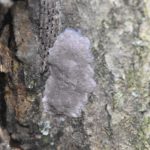
Grapes: Grapes are at the 1″-3″ stage of development in southern counties. The most important diseases to manage at this time are Phomopsis and Powdery Mildew. At 3″ growth start managing for Black Rot. Insect pests to monitor are Grape Flea Beetle, and Climbing Cutworms. Controls for these insects are rarely needed. If control is determined to be necessary, use one of the materials recommended in the New Jersey Commercial Grape Production Guide. Remember that Lorsban has lost all food tolerances and should not be used. It’s also not too late to scout for and destroy SLF egg masses on posts and trunks.

Tree  Fruit Trap Counts – Southern Counties

Weekending STLM TABM-A CM AM OFM-A DWB OFM-P TABM-P LPTB PTB
4/9/2022 2 0 0
4/16/2022 0 2 3
4/23/2022 11 0 0 28 5 0 0
4/30/2022 5 0 1 31 4 0 0


Pest Event or Growth Stage Approximate Date 2022 Observed Date
 Bud Swell (Redhaven)  March 23 +/- 15 Days March 20
1/4″ Green Tip Red Delicious March 31 +/- 13 Days March 21
Pink Peach (Redhaven) April 4 +/- 15 Days March 31
Tight Cluster Red Delicious April 9 +/- 13 Days March 31
Full Bloom Peach (Redhaven) April 9 +/- 14 Days April 10
Pink Apple (Red Delicious) April 14 +/- 12 Days April 14
Full Bloom Apple (Red Delicious) April 22 +/- 11 Days April 21
Petal Fall (Redhaven) April 22 +/- 10 Days April 14
Petal Fall (Red Delicious) April 27 +/- 13 Days May 3
Shuck Split (Redhaven) April 30 +/- 11 Days April 26
Pit Hardening June 15 +/- 9 Days