Fruit Crops Edition - Wine Grape Section

Seasonal updates on diseases, insects, weeds impacting small fruit (blueberry, cranberry, and wine grape). Fruit Pest Alerts are also available via this category feed.
 
Subscription is through the general Fruit feed available via EMAIL and RSS.

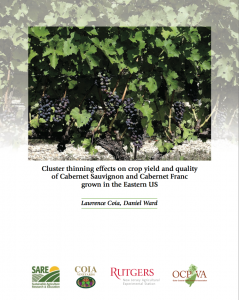
Cluster Thinning Effects on Cabernet Sauvignon and C. Franc Yield and Wine Quality

Click to View or Download the Report

Click Image to View | Download Report

Cabernet Sauvignon and Cabernet Franc can produce excellent wine grapes and wine in New Jersey, but the effect of cluster thinning on optimal yields has not been established. This study suggests that high quality grapes and wines can be made from these varieties under various climatic conditions and without the necessity of economically unsustainably low yields that can result from cluster thinning.

Grant support: USDA NESARE and from Coia Vineyards, the Outer Coastal Plain Vineyard Association, and Rutgers NJAES.

Fruit IPM Report July 10, 2014

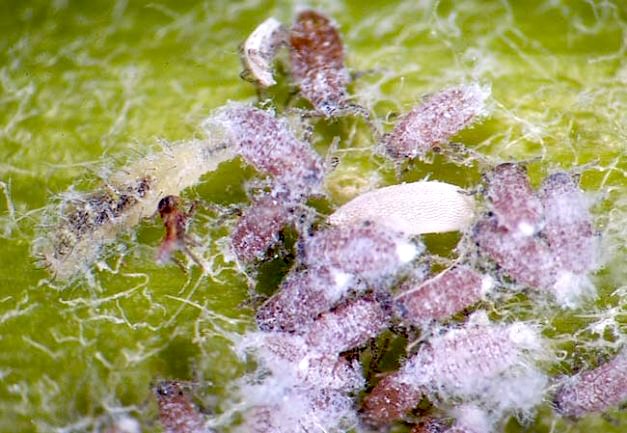
Syrphid Fly Larvae Attack Woolly Apple Aphids Photo: Good Fruit Grower

Syrphid Fly Larvae Attack Woolly Apple Aphids
Photo: Good Fruit Grower

This week in Fruit IPM

  • Peach
  • Apple
  • Grape
  • Blueberry
  • Tree Fruit Trap Counts


New Blueberry Fruit IPM Program Associate Amy Raudenbush
Welcome Amy Raudenbush! Amy is now the Fruit IPM Program Associate working in blueberries. A native of New Jersey, Amy joined the Fruit IPM Program this past Tuesday, July 8. After getting a Bachelors degree from Rutgers and working in the Entomology Department, she received an MS in Entomology from Kansas State University, and worked as a research associate in IPM programming.

Amy is now visiting with growers and assessing SWD populations, along with other pests. Amy is stationed in the Rutgers Cooperative Extension Offices of Atlantic County, and will be able to be reached at (609)625-0056 or by her cell number at (609)313-2406.

Click to View | Download PDF

[Read more…]

Fruit IPM Report June 11, 2014

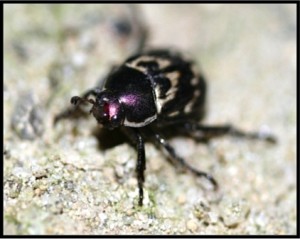
Oriental Beetle Adult

Oriental Beetle Adult

This week in Fruit IPM

  • Peach
  • Apple
  • Pear
  • Wine Grapes
  • Scouting Calendar
  • Tree Fruit Trap Counts
  • Blueberry
  • Blueberry Trap Counts

Click to View | Download PDF

Fruit IPM Report June 3, 2014

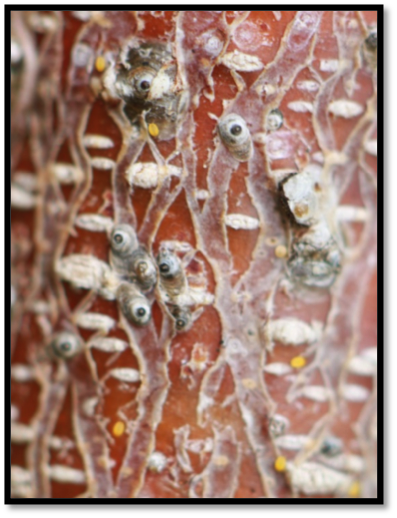
San Jose Scale

San Jose Scale

This week in Fruit IPM

  • Peach
  • Apple
  • Pear
  • Wine Grapes
  • Scouting Calendar
  • Blueberry
  • Tree Fruit Trap Counts
  • Blueberry Trap Counts

Click to View | Download PDF

What to Do if Hail Hit Your Vineyard

If you were hit by a hailstorm on May 22nd, as we were at RAREC, you are probably making some hard decisions on what to do in the vineyard.

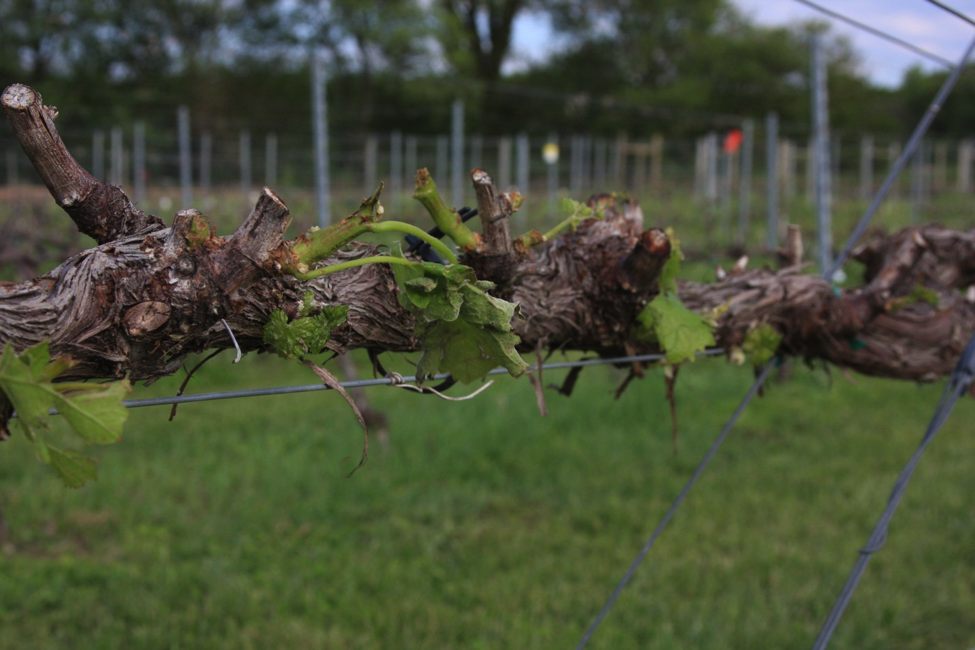
Hail-damaged Cordon on Grape Vine

Hail-damaged cordon on a grape vine at Rutgers Agricultural Research and Extension Center. Shoots, leaves, and flower buds were severely damaged and most shoots were broken off.

Removal of dead and compromised leaves and flower clusters will help reduce development of fungal pathogens.

Stem wounding will be a big concern especially for vineyards with crown gall. Treatments that aid in wound healing or have bactericidal effects may provide some help. However, shoots severely damaged by hail may need to be pruned out.

New growth will continue to push as weather conditions allow. This new growth should be protected against black rot, powdery and downy mildews as you would in any other year.

[Read more…]

Pesticide Worker Protection Inspection Warning

The New Jersey Department of Environmental Protection Pesticide Control Program (NJDEP) has announced that federal agricultural Worker Protection Standard (WPS) compliance farm inspections will be conducted mid-May through July. Be a prepared agricultural employer. Take the necessary actions this week to make sure your farm is in compliance to avoid citations.

Two outstanding farm employer resources on agricultural WPS compliance are:
1. EPA Ag Employer Quick Reference Guide (2005)
2. EPA website How to Comply with the Worker Protection Standard for Agricultural Pesticides: What Employers Need to Know

These are inspections by the US EPA, although NJDEP inspectors may accompany them. Approximately 20 to 30 inspections are slated to be conducted any time from May through July.