Fruit Crops Edition - Wine Grape Section

Seasonal updates on diseases, insects, weeds impacting small fruit (blueberry, cranberry, and wine grape). Fruit Pest Alerts are also available via this category feed.
 
Subscription is through the general Fruit feed available via EMAIL and RSS.

Performing a Detailed Inspection of Wine Grape Planting Material

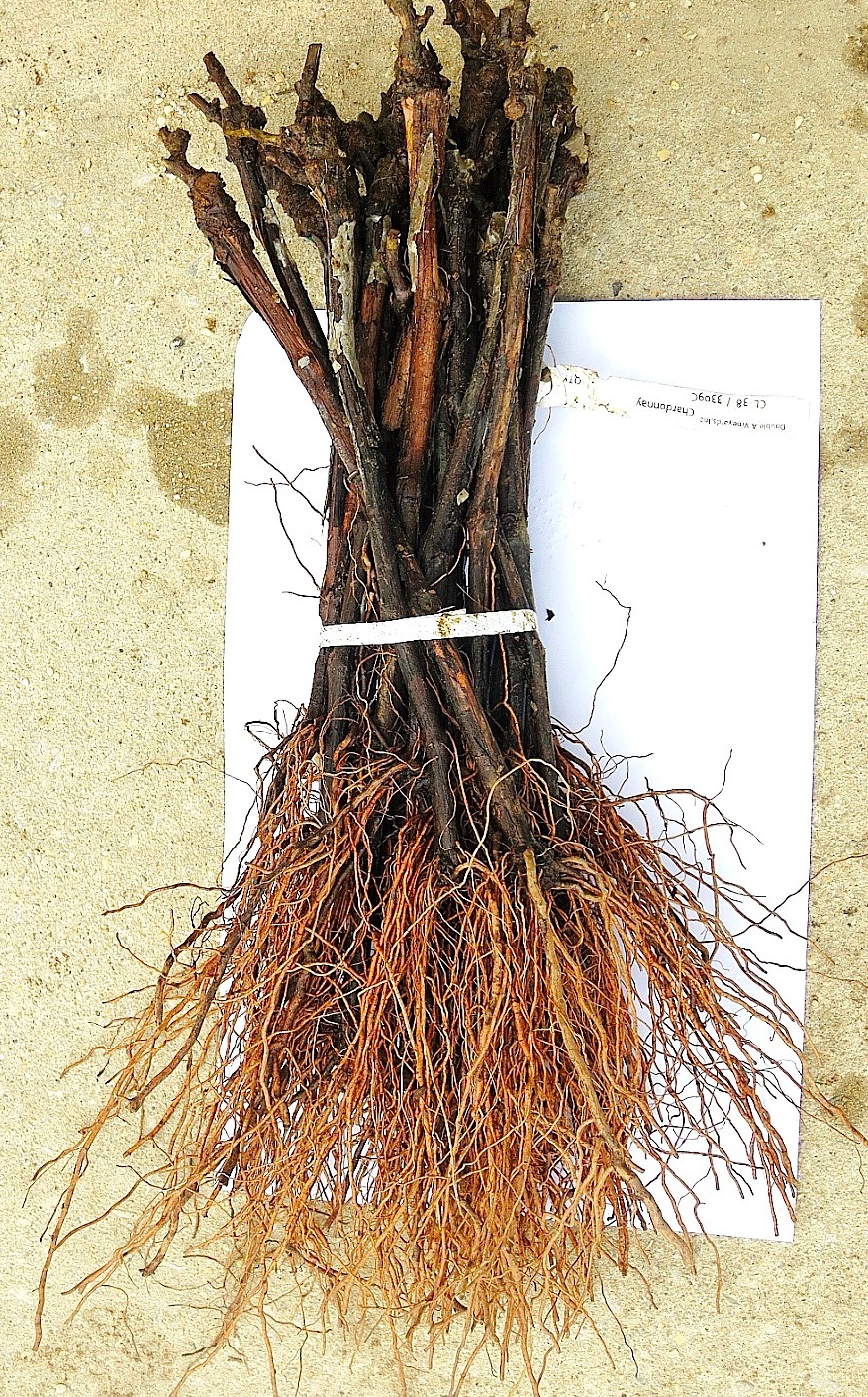
Figure 1. A bundle of healthy grafted grape vines. These vines are moist, have healthy roots, and are clearly labeled.

Figure 1. A bundle of healthy grafted grape vines. These vines are moist, have healthy roots, and are clearly labeled.

Spring is a good time to plant new grapevines as the soil is warm and moist enough to support early growth and vines get plenty of time to get established during the growing season that follows. When your order of vines arrives, make sure that your planting material is of good quality before it is planted.

Source Planting Materials from Quality Nurseries

The best way to begin ensuring that you have good, healthy and productive grapevines is to source planting material from nurseries that provide clean materials or certified vines. Planting material from nurseries that follow quality assurance protocols reduces the chances of getting diseased or weak planting material.
Certified material means cuttings come from a source block that was properly managed, subjected to regular inspections for insect pests, disease damage, and tested for virus right from propagation through packaging. These nurseries also go through independent third party audits.

Make sure that planting material comes with documents or labels that will help in tracing plants back to the original source. Each bundle of vines should have proper labels describing primary information such as variety, clone, rootstock and some kind of batch number. Make sure your planting material was shipped promptly after packing and came in a temperature-controlled vehicle. Presently there are no certified nurseries in New Jersey; however, there are several certified nurseries available in California and few in Oregon, Washington and New York. [Read more…]

Wine Grape IPM School: March 31

Date: March 31, 2015
Location: RAREC, 121 Northville Road, Bridgeton, NJ 08302
 
Wine Grape IPM Flyer

Rutgers University and the NJ Center for Wine Research and Education will be hosting a “Grape IPM School” on March 31st in Bridgeton, NJ. Experts from Michigan, Virginia and Ohio will be joining Rutgers to share their knowledge about key insect pests, diseases and weed identification. This workshop is aimed at growers of all experience levels.

Please pre-register (856-455-3100 or bradbury@aesop.rutgers.edu)
Space is limited. See attached flyer for details.

Grape IPM School Flyer

Grape IPM School March 31, 2015

With all the snow and cold weather it’s hard to believe that it’s March already and Spring is right around the corner! It’s time to start planning your pest management programs.

For the first time, we are hosting an all-day “Grape IPM School”. The aim of this “school” is to introduce and update wine grape growers of all experience levels to the key pest issues they face. We will discuss the basics of Integrated Pest Management (IPM) and how to apply it to your vineyard. We have invited regional experts who will share their expertise on how to use IPM to scout for and manage grape berry moth, grape root borer, plant viruses and diseases, among others.

Please join us at the Rutgers Agricultural Research and Extension Center (RAREC), 121 Northville Rd., Bridgeton on MARCH 31st.  Mark your calendars, more details to follow….

Plastic Pesticide Container Recycling Dates

The NJ Dept. of Ag, Helena Chemical, Allied Recycling, and the Cumberland County Solid Waste Complex are offering dates for free plastic pesticide container recycling disposal. These are offered to agricultural, professional and commercial applicators holding a NJDEP Pesticide Applicators License. State, county and municipal government agencies may also participate.

Dates and locations are listed below.

Questions? Contact:
Roberta C. Lang
New Jersey Department of Agriculture
Division of Agricultural and Natural Resources
Phone: 609.292.2242
Fax: 609.633.7229
[Read more…]

Red Blotch Virus Alert Meeting

South Jersey vineyard and winery managers are invited to an Alert Meeting at Auburn Road Vineyard and Winery, 117 Sharptown-Pilesgrove Road, Woodstown, NJ on Monday September 29th at 4:30 PM to 6:30 PM.

Red Blotch

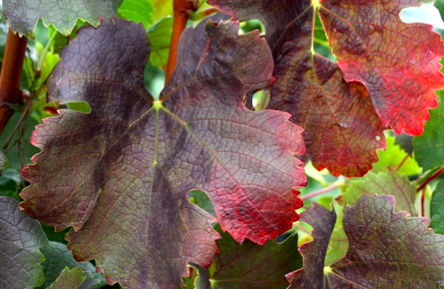
Do you have plants that look like this?
It may be a virus symptom.

We often see red leaves in vineyards at this time of the season, which can result from many causes including viruses, mineral deficiencies, trunk injury, and crown gall. In a season like 2014, following a damaging winter, the most common causes include the aftereffects of cold injury to the woody parts of the vines and the subsequent crown gall infections.

There are several well-documented types of viruses known to have serious deleterious effects on the performance of grape vines with names like Grape Leaf Roll and Grape Fan Leaf. A newly identified virus, generally called Red Blotch, is present in New Jersey vineyards. Red Blotch biology and potential impact on vineyard performance is yet to be worked out.

[Read more…]

Volunteers Needed for Brown Marmorated Stink Bug Count

Scientists at the USDA are conducting a second year of the “Great Stink Bug Count” and are looking for volunteers from NJ! They are trying to identify characteristics of houses that brown marmorated stink bugs look for when finding overwintering sites. Last year’s count had over 200 volunteers with 44 individuals who counted every day.

BMSB OW

The basics:

  1. Fill out the form
  2. Count the BMSB on the exterior of your home each day
  3. Enter in your count data

Consider participating in the 2014 Great Stink Bug Count!

September 15 – October 15, 2014

You can download particpant forms herehttp://www.stopbmsb.org/2014-count

Results from 2013 are the first to document factors that may be important in where bugs chose to overwinter. Last year’s results suggest that landscape factors, specifically agriculture and woodland habitats, may have the greatest influence on the number of BMSB overwintering on a house.

This data will go a long way to helping us figure out important steps to managing BMSB. They are looking for citizen scientists to help out! Please fill out the attached form and send it in if you are interested!