Wine Tasting and Evaluation of Chardonnay from New Jersey Wineries
August 18th (Wed): 9 am – Noon
@ William Heritage Winery, 480 Mullica Hill Road Mullica Hill, NJ 08062
Participants or Winemakers will be invited to bring their own wine release. Each wine tasting will be followed by discussions on harvest parameters, fermentation methods, materials and techniques, etc. Please read the recap of the past Chardonnay workshop at https://njvines.rutgers.edu/chardonnay-tasting-workshop-recap/ to get an idea of overview of the program.
Pre-registration Required: Registration is $30 for each attendee. Space is limited to 35 participants.
RSVP to Joan Medany at jmedany@co.gloucester.nj.us or 856-224-8030. Checks can be made payable to Rutgers, the State University of New Jersey
If you have any question, please contact program organizer, Hemant Gohil at gohil@njaes.rutgers.edu
Program Coordinators: Hemant Gohil, Gary Pavlis, Megan Muehlbauer, and Daniel Ward.
Sponsored by the New Jersey Center for Wine Research and Education
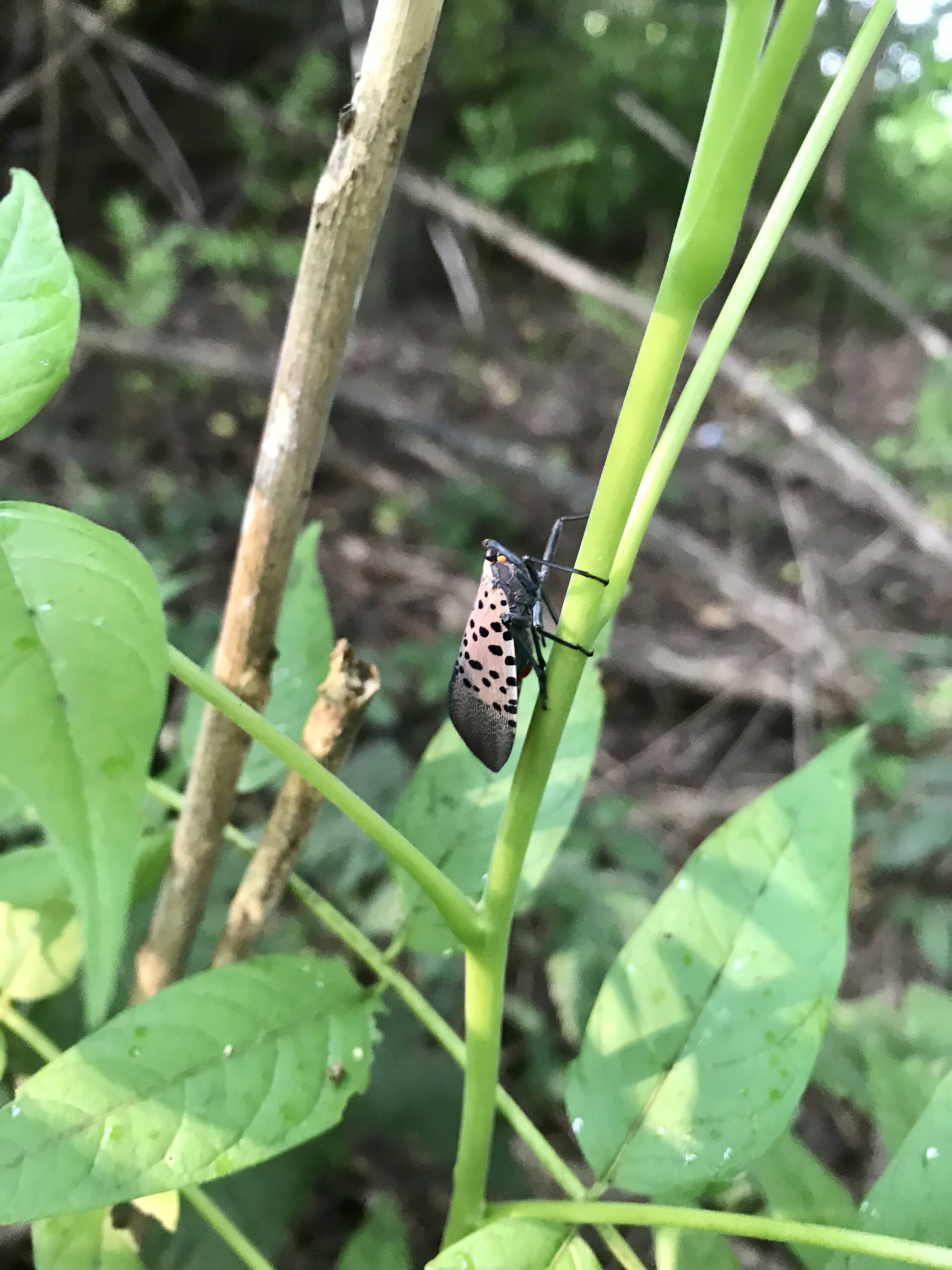 Right on time with last year’s observations, adult spotted lanternflies (SLF) were found in Pilesgrove (Salem County) NJ. In 2020 adults at the same location were found on July 23 so despite the earlier hatch observed in May, the phenology is right on track.
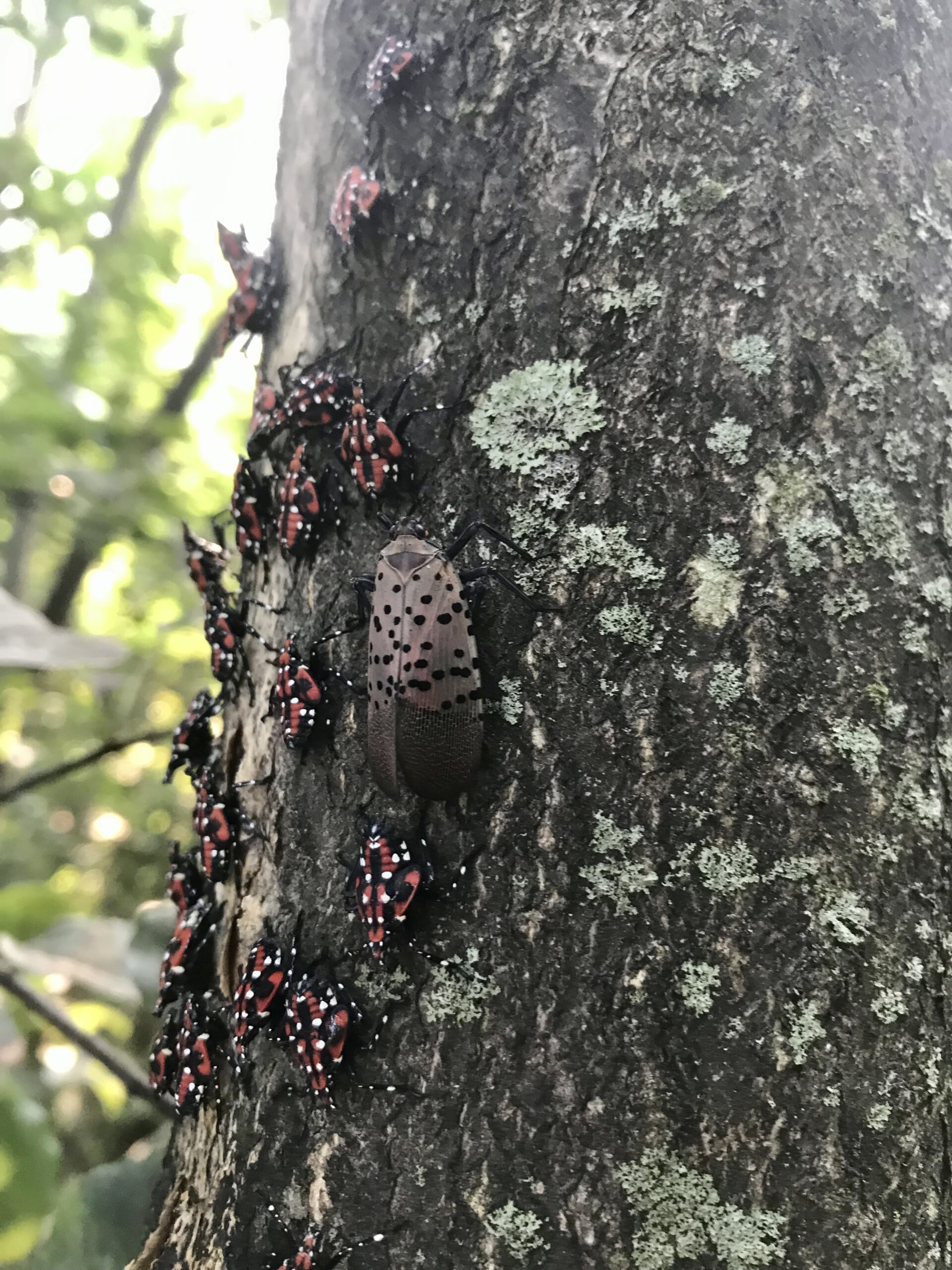 In 2020, adults dispersed in large numbers to commercial vineyards around September 4. I think this dispersal is a combination of depletion of resources (they are literally sucking the sap out of trees) and density. As NJ populations of SLF increase, they are depleting food resources faster. I expect this movement from wooded areas to vineyards will happen earlier this year, likely mid August. There will be a few bugs here and there, but commercial vineyard managers should wait to apply insecticides until you see the larger influx. Across sites, the 10 adults/vine threshold was reached around the same time last year – although some vineyards had much larger numbers per vine – so this is a good threshold to use for now. I will post management recommendations for the adults soon!