Date: Thursday, February 13, 2014
Time: 8:00 am – 2:00 pm
Location: Rutgers Agricultural Research & Extension Center
121 Northville Road, Bridgeton, NJ [Read more…]
Fruit Crops Edition
Seasonal updates on diseases, insects, weeds impacting tree fruit and small fruit (blueberry, cranberry, and wine grape). Fruit Pest Alerts are also available via this category feed.
Subscriptions are available via EMAIL and RSS.
January 31, 2014 Norman Lalancette
South Jersey Commercial Tree Fruit Grower Meeting
January 15, 2014 Norman Lalancette
2014 Tree Fruit Meetings for Commercial Growers
A full slate of tree fruit meetings sponsored by the New Jersey Agricultural Experiment Station and Rutgers Cooperative Extension have been scheduled for the upcoming 2014 growing season.
The season begins with:
- South Jersey Tree Fruit Meeting –
February 13@ RAREC Note: New Date Feb 14 - North Jersey Fruit Meeting – March 7 @ Warren Grange
These annual “winter” meetings are followed by a series of evening fruit meetings in both northern and southern NJ throughout April, May, and early June. Some of these latter evening meetings will be at grower sites. The meeting season culminates with the RAREC Fruit Research Field Day on June 26, which will include visits to research vineyards as well as orchards.
[Read more…]
January 14, 2014 Dave Schmitt
How Cold Did it Get?

South West Injury on Peach
October 31, 2013 Wes Kline and Meredith Melendez
Food Safety Workshops 2013-2014
Seven food safety workshops will be presented from December 2013 through February 2014.
TOPICS:
- Harmonized Food Safety Standards
- How to develop a food safety plan for your operation
- Produce sampling results from 2013
- Risk Assessment
- Writing Standard Operating Procedures (SOP)
October 25, 2013 Dave Schmitt
Integrate Sanitation Into Your Apple Scab Control Program
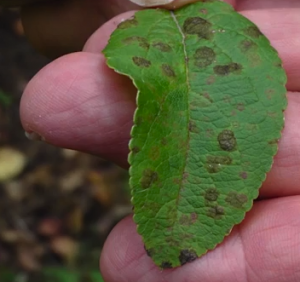
Apple Scab Control with Urea.
Video link: http://youtu.be/8g0WyVi68GM
This past season we saw elevated levels of apple scab in southern counties. Our IPM scouts found low levels of scab present in orchards where scab had not been detected for many years, even though these orchards had been carefully sprayed using effective materials. Most likely what we are witnessing is the result of an increasing pattern of wet seasons with periods of extreme rainfall and not resistance to DMI fungicides, although that is an area of great concern and cannot be ruled out. Regardless of the cause, high inoculum in the orchard will eventually lead to control failures with materials such as the DMI’s and other chemistries prone to resistance.
At any rate growers that had scab this year should integrate sanitation practices into their scab control program. The recommended sanitation program involves either: fall or spring applications of Urea; flail mowing fallen leaves: or preferably both.
Dr. Dan Cooley and Jon Clements at UMass have uploaded a short video explaining this approach.
September 17, 2013 Anne Nielsen and Bryan Petty
Fruit Flies at Grape Harvest
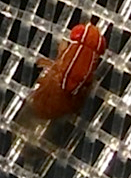
African Fig Fly
In New Jersey, and the rest of the mid-Atlantic, we have two newly invasive fruit flies that attack grapes including wine grapes.
My lab is currently working to determine the impact these insects will have to the berries and to yield.
[Read more…]

