On-Farm Food Safety Section

Keep up with the latest news on this dynamic topic that impacts growers on multiple levels. Developing a farm food safety plan is a good idea for all growers, and may be required as part of food safety audits if you sell to certain buyers.

View NJAES On-Farm Food Safety Essentials

Subscriptions are available via EMAIL and RSS.

Agri-Technology and Vegetable Research Twilight Meeting

Where:  Rutgers Agricultural Research and Extension Center (RAREC), 121 Northville Rd., Bridgeton, NJ 08302

When:  Wednesday August 16, 2023, 5 PM until dark,  refreshments and ice cream will be served 

This year’s twilight meeting at RAREC will showcase new agricultural technologies for stakeholders in the state. We will showcase the newly installed agrivoltaics system established at RAREC and discuss new technologies for autonomous seeding and weeding as well as drone technologies for improving crop production and decision making. 

Agrivoltaics Research at Rutgers – Dan Ward, Director of Rutgers Agricultural Research and Extension Center (RAREC) and the New Jersey Wine Center for Wine Research and Education; and Dave Specca, Rutgers Agrivoltaics Program lead.  The demand for clean energy and the development of new technologies for solar electricity generated on producing agricultural land (Agrivoltaics) has driven Rutgers/NJAES to investigate this hybrid technology. We are investigating the effects of putting elevated photovoltaic panels above numerous cropping systems to see what effects the panels have on the crops; and what effects the crops have on the panel’s electrical productivity. Our results will be used in economic models and other recommendations to assist farmers, landowners, and solar developers in deciding whether these combined technologies are a good choice for them.

Presentation and demonstration of Naio OZ autonomous seeding and weeding platforms – Thierry Besançon, Extension Weed Science Specialist for Specialty Crops, Rutgers.  The use of small-size electrical autonomous weeders such as the Naio Oz multitask and multi crop robot may help growers to lessen their reliance on fossil fuels for weeding vegetable productions. Using an autonomous weeder can also help alleviating some of the issues with labor availability, especially for burdensome activities such as manual weeding. The GPS guided Naio Oz platform is 100% electric (8 hours autonomy) and versatile through the use a variety of tools (drill, brushes, harrows, hoes blades…) that allow it to weed within and between the crop rows, make furrows, sow, and carry loads to the field. We will present and demonstrate the use of the Naio Oz for autonomous seeding and weeding, and discuss trials currently conducted at RAREC to evaluate weed control efficacy with this system as compared to conventional herbicides. 

In-crop cereal cover crop and living mulch trials for vegetables at RAREC – Thierry Besançon, Extension Weed Science Specialist for Specialty Crops, Rutgers.  Row-middle weed control in plasticulture vegetable production is becoming increasingly difficult due to a lack of effective herbicides, a need for multiple cultivations, or hand labor. Alternative solutions that integrate multiple weed control tactics are needed to address these issues. One solution is to use cover crops to aid in weed suppression along with an effective herbicide program. A field study is being conducted at RAREC in 2023 to assess the effects of integrating spring-seeded grass cover crops with herbicide treatments for weed control in watermelon. Results from 2023 and from previous studies conducted in 2021 and 2022 show that spring seeded grass cover crops can successfully be integrated with effective herbicide programs for improved weed control between plastic beds. 

The potential applications of using drones in agricultural production in New Jersey – Peter Oudemans, Professor and Director P.E. Marucci Center for Blueberry and Cranberry Research and Extension, Rutgers.  Drones or UAVs can be used to detect anomalies in agricultural fields to directly determine the impacts of disease, pests, weeds, and soil conditions on crop production. This information can be used to determine economic crop losses, pest management strategies, and provide a wealth of other information that can be used to improve crop production and management decisions by the grower. The potential benefits and drawbacks of using drones in agricultural production will be discussed along with a flight demonstration. 

Assessing the production potential of fiber hemp in New Jersey – Raul Cabrera, Extension Specialist in Nursery Production and Management, Rutgers.  The recent re-introduction of agricultural/industrial hemp (Cannabis sativa) to New Jersey (2020 season) was initially focused on production of cannabinoid-rich (CBD, CBG) flowers. Saturation of the floral hemp market has abruptly and significantly dropped its economic viability and interest, and focus has shifted to hemp for grain and fiber production. The New Jersey Department of Agriculture funded a pilot program with Rutgers to evaluate the potential of hemp for fiber production, including the viability of agronomic production and potential industrial end uses (bioplastics, textiles, etc.). To this end, three experimental fiber hemp plots are being planted and evaluated at different locations in the state (north, central and south).

Syngenta Product Update – Erin Hitchner, Senior Research and Development Scientist, Syngenta.  An update will be given on upcoming product registration and overall pipeline development for new Syngenta active ingredients.  An overall description of the pesticide registration process and timelines will also be presented.

Understanding copper resistance development and controlling bacterial leaf spot of bell pepper with resistant varieties – Andy Wyenandt, Extension Specialist in Vegetable Pathology, Rutgers.  Over the past three years the pepper and tomato fields throughout New Jersey have been surveyed to determine what species of bacterial leaf spot caused by Xanthomonas spp. are present in the state and if copper resistance is present. Copper based fungicides have been used for decades for the control of bacterial diseases across many different vegetable crops, especially in tomato and pepper. Thus, it is not surprising that ~60% of the bacterial isolates collected throughout the state are resistant to copper fungicides. We will discuss how to control bacterial leaf spot and the benefits of adopting the use of X10R bell pepper varieties to help mitigate losses due to the pathogen.

Controlling Phytophthora blight in cucurbit and other vegetable crops – Andy Wyenandt, Extension Specialist in Vegetable Pathology, Rutgers.  Phytophthora blight, caused by Phytophthora capsici, is the most economically damaging vegetable disease in the state. It can cause significant losses in cucurbit, pepper, and tomato crops in any given year. We will discuss the most up-to-date information on how to control P. capsici in cucurbit and other crops using genetic resistance, cultural practice and fungicide chemistry.

Note:  Following pesticide credits have been requested:  CORE, PP2, 1A and 10
Agri-Technology and Vegetable Research Twilight Meeting

Where:  Rutgers Agricultural Research and Extension Center (RAREC), 121 Northville Rd., Bridgeton, NJ 08302

When:  Wednesday August 16, 2023, 5 PM until dark,  refreshments and ice cream will be served 

This year’s twilight meeting at RAREC will showcase new agricultural technologies for stakeholders in the state. We will showcase the newly installed agrivoltaics system established at RAREC and discuss new technologies for autonomous seeding and weeding as well as drone technologies for improving crop production and decision making. 

Agrivoltaics Research at Rutgers – Dan Ward, Director of Rutgers Agricultural Research and Extension Center (RAREC) and the New Jersey Wine Center for Wine Research and Education; and Dave Specca, Rutgers Agrivoltaics Program lead.  The demand for clean energy and the development of new technologies for solar electricity generated on producing agricultural land (Agrivoltaics) has driven Rutgers/NJAES to investigate this hybrid technology. We are investigating the effects of putting elevated photovoltaic panels above numerous cropping systems to see what effects the panels have on the crops; and what effects the crops have on the panel’s electrical productivity. Our results will be used in economic models and other recommendations to assist farmers, landowners, and solar developers in deciding whether these combined technologies are a good choice for them.

Presentation and demonstration of Naio OZ autonomous seeding and weeding platforms – Thierry Besançon, Extension Weed Science Specialist for Specialty Crops, Rutgers.  The use of small-size electrical autonomous weeders such as the Naio Oz multitask and multi crop robot may help growers to lessen their reliance on fossil fuels for weeding vegetable productions. Using an autonomous weeder can also help alleviating some of the issues with labor availability, especially for burdensome activities such as manual weeding. The GPS guided Naio Oz platform is 100% electric (8 hours autonomy) and versatile through the use a variety of tools (drill, brushes, harrows, hoes blades…) that allow it to weed within and between the crop rows, make furrows, sow, and carry loads to the field. We will present and demonstrate the use of the Naio Oz for autonomous seeding and weeding, and discuss trials currently conducted at RAREC to evaluate weed control efficacy with this system as compared to conventional herbicides. 

In-crop cereal cover crop and living mulch trials for vegetables at RAREC – Thierry Besançon, Extension Weed Science Specialist for Specialty Crops, Rutgers.  Row-middle weed control in plasticulture vegetable production is becoming increasingly difficult due to a lack of effective herbicides, a need for multiple cultivations, or hand labor. Alternative solutions that integrate multiple weed control tactics are needed to address these issues. One solution is to use cover crops to aid in weed suppression along with an effective herbicide program. A field study is being conducted at RAREC in 2023 to assess the effects of integrating spring-seeded grass cover crops with herbicide treatments for weed control in watermelon. Results from 2023 and from previous studies conducted in 2021 and 2022 show that spring seeded grass cover crops can successfully be integrated with effective herbicide programs for improved weed control between plastic beds. 

The potential applications of using drones in agricultural production in New Jersey – Peter Oudemans, Professor and Director P.E. Marucci Center for Blueberry and Cranberry Research and Extension, Rutgers.  Drones or UAVs can be used to detect anomalies in agricultural fields to directly determine the impacts of disease, pests, weeds, and soil conditions on crop production. This information can be used to determine economic crop losses, pest management strategies, and provide a wealth of other information that can be used to improve crop production and management decisions by the grower. The potential benefits and drawbacks of using drones in agricultural production will be discussed along with a flight demonstration. 

Assessing the production potential of fiber hemp in New Jersey – Raul Cabrera, Extension Specialist in Nursery Production and Management, Rutgers.  The recent re-introduction of agricultural/industrial hemp (Cannabis sativa) to New Jersey (2020 season) was initially focused on production of cannabinoid-rich (CBD, CBG) flowers. Saturation of the floral hemp market has abruptly and significantly dropped its economic viability and interest, and focus has shifted to hemp for grain and fiber production. The New Jersey Department of Agriculture funded a pilot program with Rutgers to evaluate the potential of hemp for fiber production, including the viability of agronomic production and potential industrial end uses (bioplastics, textiles, etc.). To this end, three experimental fiber hemp plots are being planted and evaluated at different locations in the state (north, central and south).

Syngenta Product Update – Erin Hitchner, Senior Research and Development Scientist, Syngenta.  An update will be given on upcoming product registration and overall pipeline development for new Syngenta active ingredients.  An overall description of the pesticide registration process and timelines will also be presented.

Understanding copper resistance development and controlling bacterial leaf spot of bell pepper with resistant varieties – Andy Wyenandt, Extension Specialist in Vegetable Pathology, Rutgers.  Over the past three years the pepper and tomato fields throughout New Jersey have been surveyed to determine what species of bacterial leaf spot caused by Xanthomonas spp. are present in the state and if copper resistance is present. Copper based fungicides have been used for decades for the control of bacterial diseases across many different vegetable crops, especially in tomato and pepper. Thus, it is not surprising that ~60% of the bacterial isolates collected throughout the state are resistant to copper fungicides. We will discuss how to control bacterial leaf spot and the benefits of adopting the use of X10R bell pepper varieties to help mitigate losses due to the pathogen.

Controlling Phytophthora blight in cucurbit and other vegetable crops – Andy Wyenandt, Extension Specialist in Vegetable Pathology, Rutgers.  Phytophthora blight, caused by Phytophthora capsici, is the most economically damaging vegetable disease in the state. It can cause significant losses in cucurbit, pepper, and tomato crops in any given year. We will discuss the most up-to-date information on how to control P. capsici in cucurbit and other crops using genetic resistance, cultural practice and fungicide chemistry.

Note:  Following pesticide credits have been requested:  CORE, PP2, 1A and 10
Fourth of July Cookout Costs

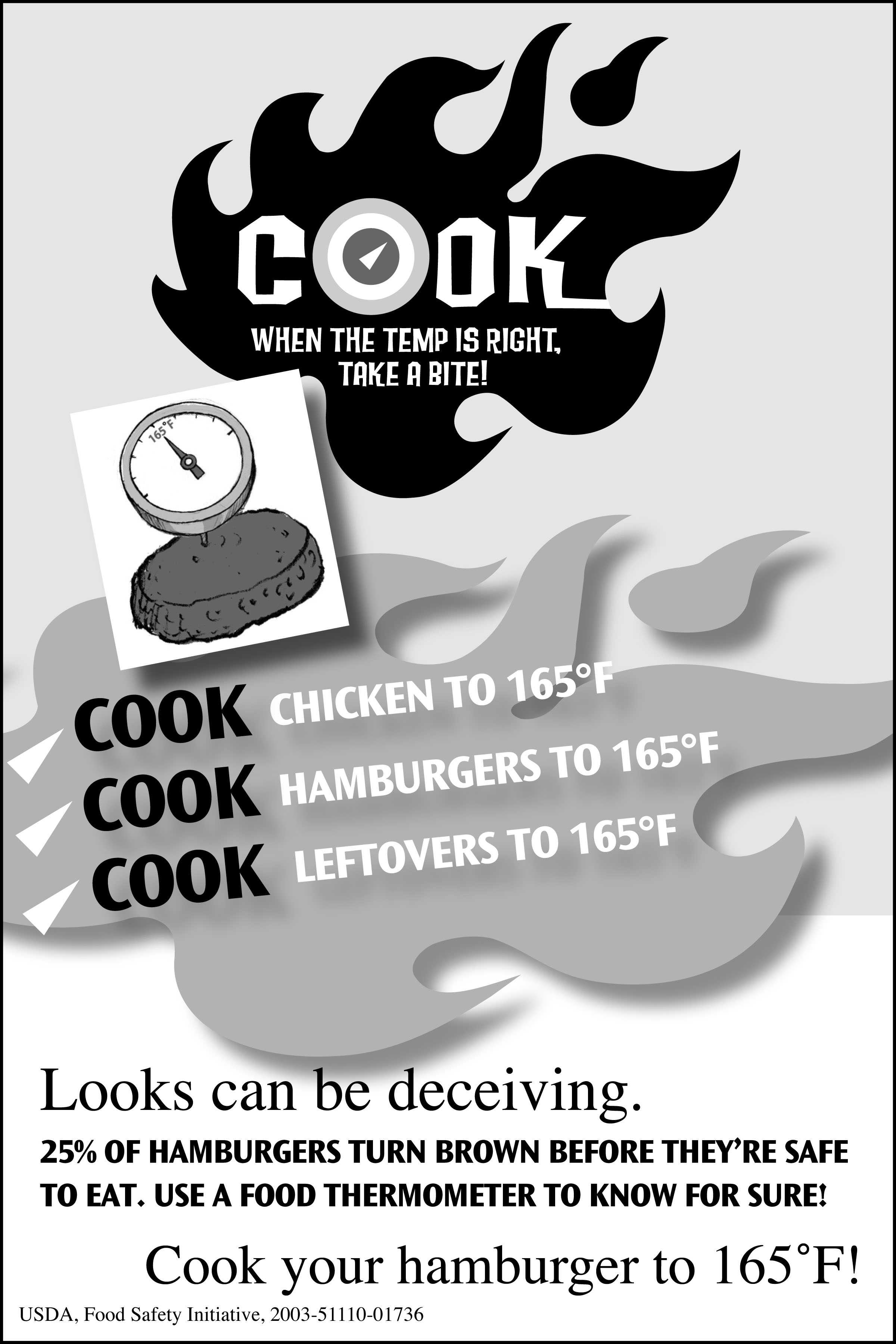
According to the American Farm Bureau a Fourth of July Cookout will cost $67.73 for a party of 10, down 3% from last year’s record high. Cookout favorites include cheeseburgers, chicken breasts, pork chops, homemade potato salad, strawberries and ice cream, among other products.  For more information: please see AFBF Fourth of July Cookouts.

As you prepare for your cookout, please remember food safety risks whenever preparing food, particularly for outdoor consumption.  Please see these Rutgers Factsheets:   Serving Food Safely and Handling Leftovers Safely.  (Authored by Sara Elnakib, PhD, MPH, RDN, Family & Community Health Sciences Educator, Rutgers Cooperative Extension and Don Schaffner, Rutgers Extension Specialist in Food Science).

sCooking temperature poster


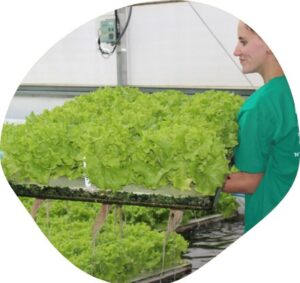
Webinar: Managing Food Safety Risks in Hydroponic Operations

Incorporate food safety into your hydroponics setup and worker training.

August, 17, 2023 12:00 – 1:00 p.m. Free!
Register online
You will get the link to sign on or call in a few days before the event.

Hydroponic growers use a variety of methods to grow, harvest, and pack produce. This webinar will focus on general best practices in the hydroponic growing environment to reduce the risk of human pathogen growth and spread.
This webinar will focus on risk assessment and management through:
1. Appropriate worker training
2. Evaluation of growing and harvest processes
3. Identification of food contact surfaces
4. Development of a cleaning and sanitation process

Getting a Grip on the FDA Antibiotic Rule

(Editor’s note: This article is taken from the June 1st, New Jersey Farmer Animal Science Update column.  It is co-authored by Michael L Westendorf PhD, Rutgers University; Jon E Higgins VMD  Acorn Farmvets LLC; and Dan Wunderlich, New Jersey Department of Agriculture).

You may have heard and are seeking more information about upcoming changes in the availability of Over-the-Counter (OTC) antibiotics for use in livestock.  The United States Food and Drug Administration (FDA) recently enacted the Guidance for Industry Rule – 263 (GFI-263) referred to here as the FDA Antibiotic Rule.  This rule regulates the relationship between veterinarians and livestock producers, and the usage of drugs that are medically important for humans.

The FDA Antibiotic Rule describes the use of antibiotics and provides veterinarians and livestock producers with guidelines for prescribing their sub-therapeutic use in feed or water and therapeutic usages for maintaining animal health well-being.  This Rule requires all veterinarians to prescribe such uses: provided there is a Veterinarian-Client-Patient-Relationship (VCPR) in place.

What is a VCPR? According to the American Veterinary Medical Association (AVMA) a VCPR “is the basis for interaction among veterinarians, their clients, and their patients, and is critical to the health of animals.”  This agreement means that veterinarians assume responsibility for clinical judgements related to animal health, it guarantees that the veterinarian has the knowledge to make such judgements, and that they are available for evaluation, examination, visitation, emergency coverage, and continuing care and treatment.  The veterinarian provides oversight of treatment, compliance, outcome, and the maintenance of patient records.  The client agrees to follow the veterinarian’s instructions.

What does this mean?  In the future, veterinarians will not be able to prescribe drugs for use by livestock producers unless there is a valid VCPR in place.  A VCPR is more than a phone call asking for veterinary advice, it is more than a tele-health consult on a farm that the veterinarian does not have a prior, professional relationship.  The veterinarian will be familiar with the farm, its management, its livestock, and existing animal health conditions. So, a valid VCPR is key, but this change does not mean that every time you have a sick animal that a veterinarian must visit your farm, examine, and treat that animal. But it does require the farmer will regularly seek out veterinary advice and service to maintain animal health.  When a proper VCPR is in place, a veterinarian can prescribe animal drugs for usage on livestock farms.  Over the Counter (OTC) antibiotics will not be available without a VCPR and a veterinary prescription.  Prescriptions can only be filled by veterinarians or animal health companies and other farm service companies or vendors (your local feedstore may not be approved).

It is also important to understand this overall change goes back to the instituting of the Veterinary Feed Directive (VFD) requirement, which was approved by the FDA in 2017.  The VFD is focused on maintenance of human and animal health.  The VFD ensures that drugs medically important for humans can no longer be used sub-therapeutically in animal feed or water for purposes of growth, performance, feed efficiency, etc. This class of drugs can only be used therapeutically in animal feed or water, that’s when animal health or sickness requires it.  In such cases the VFD rule requires veterinarians to authorize the use of animal drugs in feed or water only when a VCPR is in place and only when and if animal health requires it.  The VFD may allow some off-label use of drugs only when other options are not available and animal health requires it.

What does this mean?  There is concern about the development of microbial resistance to many antibiotics.  Many believe this is the result of overprescribing drugs, for both humans and animals, and concern that “superbugs” will result from sub-therapeutic levels in the feed and possibly infect humans; these bugs may not be affected by antibiotics (human or animal).  The VFD rule was enacted to strengthen and give more oversight to individual licensed veterinarians for the purpose of using antibiotics in the feed to treat actual disease conditions.

Beginning with the enactment of the FDA Antibiotic Rule (GFI-263) all antibiotics that are OTC will transition to prescription only from a licensed veterinarian and only when a VCPR is in place. Some of the drugs that will be restricted are penicillin, tylosin, tetracyclines, and sulfamethazine (calf boluses), and mastitis and dry-treat tubes (this is just a representative list, for more information go to https://www.fda.gov/animal-veterinary/antimicrobial-resistance/list-approved-new-animal-drug-applications-affected-gfi-263 or search for GFI-263 – FDA prohibited animal drug list).

Can these drugs still be used?  Of course, but they must be used as directed/recommended from your herd/flock veterinarian with a valid VCPR (when animals are sick, and health and well-being is at risk). (Veterinary-Client-Patient-Relationship) as described above.

There are drugs that are not prohibited, because they are used as animal drugs only, and not in human medicine.  These can still be used to enhance growth and feed efficiency.  Some approved drugs are listed below:

  • Ionophores (monensin (rumensin), lasalocid (Bovatec, etc.)

Other drugs that are not antimicrobials, for example:

  • Anthelmintics/Dewormers: Fenbendazole/Safeguard, Ivermectin, Prohibit/Levamisol
  • Coccidiostats: Amprolium (Corid), Decoquinate, Diclazuril

Drugs covered by the FDA Antibiotic Rule (GFI-263) are those that are used in both animal and human medicine.  They can no longer be used without veterinary oversight.  Only a veterinarian can legally authorize animal drugs for prescription, and then only after appropriate knowledge of the animals/farm  in question, with exam if needed, and when a proper relationship with the client (VCPR must be in place).

The FDA Antibiotics Rule should be seen as positive for the animal and food production industries and may have important effects on human health.  Additionally, it will allow more targeted antibiotic treatment, so animals that need treatment get it and those that don’t need antimicrobial therapy are not treated unnecessarily. American farmers are innovative, and levels of management are always improving.  This rule will allow producers to improve management and disease prevention and reduce reliance on antibiotics.

For more information please go to the FDA website https://www.fda.gov/animal-veterinary/antimicrobial-resistance/gfi-263-frequently-asked-questions-farmers-and-ranchers and search the Frequently Asked Questions; also please go to https://dairy.osu.edu/newsletter/buckeye-dairy-news/volume-25-issue-1/over-counter-antibiotics-will-require-veterinary  for an excellent overview. On livestock VCPR details, please read: https://www.aabp.org/resources/aabp_guidelines/VCPRGuideline_032020.pdf

Please contact your veterinarian for assistance or the New Jersey Department of Agriculture Division of Animal Health (http://www.nj.gov/agriculture/divisions/ah/).  See also your local Rutgers Cooperative Extension Service office for information (https://njaes.rutgers.edu/county/)

United States Department of Agriculture (USDA) Changes to Audit Costs

USDA has just announced that proposed audit fees for the Harmonized and GAP/GHP audits will increase to $155 per hour. The average Harmonized Audit runs anywhere from 12 to 15 hours, GAP/GHP audits average 5 to 10 hours. The current fee is $132 per hour. For anyone who needs an audit try to schedule before October 1, 2023 when the new rates take effect.  For further information or discuss the proposed increases contact:  Melissa Bailey, Associate Administrator, AMS, USDA, Room 2036–S, 1400 Independence Ave. SW, Washington, DC 20250; telephone (202) 205–9356, or email melissa.bailey@usda.gov.