Archives for July 2021

Post-Bloom Insect Pest Management

Sparganothis Fruitworm Degree-Day Update: as of July 07, 2021

Based on our degree-day (DD) model for Sparganothis fruitworm, the window for egg hatch is between 895 and 1,890 DD (see chart). As of July 07, Sparganothis has accumulated 1,251 DD (using April 15 as biofix). This indicates that most eggs should have hatched by now and fruit is susceptible to infestation. Most beds are out of bloom (early varieties) or should be coming out of bloom. If trap counts have been high and you have not done so already, then you should consider treatment in the next few days to prevent damage to berries. Your best post-bloom options are Diazinon, Intrepid, Altacor, or Delegate. All treatments for lepidopteran pests should be done before the end of this week to avoid substantial injury to fruit.
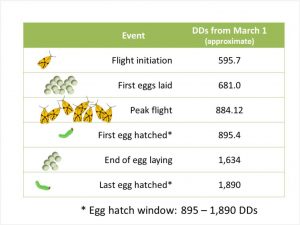
Sparganothis fruitworm DD model

Root-feeding Pests of Cranberries

If your beds have damage caused by root-feeding insects, you should consider treatment with Imidacloprid (e.g. Admire Pro, Alias 4F, Alias 2F) after bees are removed. Occurrence of root-feeding insects will manifest by the presence of dead patches (see picture). Pulling dead vines and searching through the root zone and soil are needed to reveal the presence of larvae. Admire Pro (imidacloprid) is labeled for the control of cranberry rootworm, white grubs (Phyllophaga spp.), and other scarabs in cranberries.

White grubs, Phyllophaga spp. There are several species of white grubs that infest cranberries in New Jersey, the most abundant being P. georgiana. Grubs are C-shaped and often found near bog margins. Adults are reddish brown and nocturnal. Grubs attack the cranberry roots; adults have not been reported to feed on cranberries. See pictures of grubs and adults in cranberries. The life cycles and abundance of white grub species in New Jersey is not well known. Most likely, Phyllophaga grubs have a 3-year life cycle (based on previous reports and our own observations). Eggs are laid in late-June and July, and will hatch in July. First instars can be found in late-July and August and turn into second instars by the end of August-September. The second instar grubs will overwinter. These grubs will feed the following year until June and molt to third insta
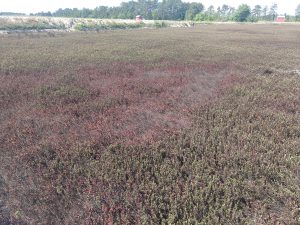
Cranberry Rootworm Injury

rs, which will overwinter. The following year, the third instars will feed for some time and then begin to pupate in June. Pupation will take place in July-August. Adults will appear in the soil in August-September. Adults will remain in the soil and overwinter. They will emerge in June, mate, and begin to lay eggs, completing the cycle.

Cranberry rootworm (Chrysomelidae). Pupation starts in late May and beetles emerge in early June. Adults (see picture) are nocturnal and hide in leaf litter. Adults can be easily picked up in a
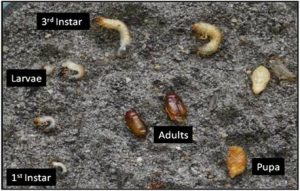
Phyllophaga developmental stages

sweep net. Females feed on foliage before laying eggs. Young larvae will feed on roots, and feeding continues until October. The mature larvae (see picture) move down the soil in the fall to overwinter. Holding of the water will delay onset of pupation. Rootworm has a 1-year life cycle. Entomopathogenic nematodes (Heterorhabditis bacteriophora) can be used to control cranberry rootworm.

Use of Imidacloprid. If treatment is needed, use imidacloprid (Admire Pro or other generic insecticides such as Alias 4F) to control white grubs and rootworms. Imidacloprid works best against early- (1st-2nd) instar grubs. Imidacloprid should be used after bees are taken out of beds. Because of the 3-year life cycle, treatment should be continued for 2-3 consecutive years to ensure control. Imidacloprid (active ingredient) is a neonicotinoid insecticide registered for use in cranberries against cranberry rootworm and scarab grubs. This insecticide is a contact and stomach poison that affects the insect
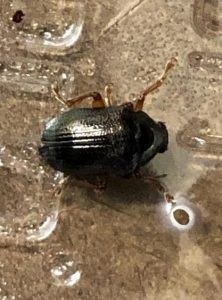
Cranberry Rootworm Adult
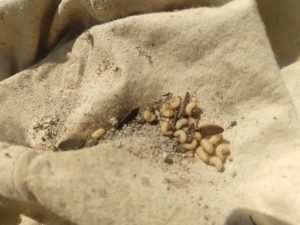
Cranberry Rootworm Larvae

nervous system. It is highly systemic and toxic to honey bees; therefore, can be used only as a post-pollination insecticide. Imidacloprid can be applied by ground or by chemigation. Aerial application of this product is prohibited. Imidacloprid has a long residual activity (> 100 days) as long as the insecticide is not directly exposed to the sun. Admire Pro can be used at 7-14 fl oz/acre. A maximum of 14 fl oz of Admire Pro can be used per acre per season. The PHI is 30 days.
Nursery – Pest Scouting Guide for July – BWB and RHFB Reminders

NURSERY PEST SCOUTING GUIDE – JULY (1300-2200 GDD50)

Please download and print the pest scouting guide resources (printable version of the information below for your desk or truck) –(click on the link and then print)

To determine your local growing degree-days, please review this postObtaining your local growing degree-day information”

Projected GDD50 accumulation as of 7/1/2021
Region Location 1-Jul 1-Aug 1-Sep 1-Oct 1-Nov
Southern Upper Deerfield (NJ50) 1303 2145 2931 3477 3682
Central Howell / Freehold (NJ10) 1102 1896 2630 3109 3249
Northern High Point (NJ59) 884 1490 2045 2352 2384
Forecast: NOAA NCEP Coupled Forecast System model version 2 (CFSv2) forecast system (3.5 months) (USPEST.ORG)


(Same material as downloads)

Nursery Pest Scouting – Growing Degree-day Ranges  (1300-2200 GDD50) 
CROP TYPE Common Name Scientific Name GDD Min (50F) GDD Max (95F) Reference Developmental / Target Stage
Many Japanese beetle  Popillia japonica 950 2150 5 Adults emerge and feed
Turf Bluegrass billbug Sphenophorus parvulus 1094 1217 RU Larvae (40%)
Many Indian wax scale Ceroplastes ceriferus 1145 6 Crawlers (1st generation)
Many Oriental Beetle Anomala orientalis 1147 6 Adult emergence
Euonymus Euonymus Scale Unaspis euonymil 1150 1388 5 2nd generation targeted treatments
Dogwood Dogwood sawfly Macremphytus tarsatus 1151 1500 RU Larvae Treatment
Tulip Tuliptree aphid Illinoia liriodendri 1151 1514 RU Nymphs / adults
Boxwood Boxwood leafminer  Monoarthropalpus flavus 1200 1400 5 Larvae Treatment
Conifer Northern pine weevil Pissodes nemorensis 1200 1400 4 2nd generation adults active
Conifer Pales weevil Hylobius pales 1200 1400 4 Adults 2nd generation
Conifer Pine root collar weevil  Hylobius radicis 1200 1400 4 2nd generation adults active
Conifer White pine weevil Pissodes strobi 1200 1400 4 2nd generation adults active
Rhododendron Azalea whitefly Pealius azaleae 1250 1500 5 Adults/nymphs (2nd generation)
Turf Bluegrass sod webworm Parapediasia teterrella 1250 1920 RU Larvae
Birch Birch Skeletonizer Bucculatrix canadensisella 1266 1580 5 Typical treatment window
Shade trees European fruit lecanium Parthenolecanium corni 1266 1645 5 Crawlers
Many Fall webworm Hyphantria cunea 1266 1795 2 Caterpillars present – larvae treatment
Many Lacebugs ( on hawthorn) Corythucha cydoniae 1266 1544 RU Nymphs / adults
Many Leafhoppers Species within Cicadellidae  1266 1544 RU Nymphs / adults
Privet Privet rust mite Aculus ligustri 1266 1515 5 Second typical treatment window
Conifer Pine Needle Scale Chionaspis pinifoliae 1290 1917 3 Crawlers emerge (2nd generation)
Many Two spotted spider mite  Tetranychus urticae 1300 2000 RU Nymphs / adults
Turf N. Masked chafer Cyclocephala borealis 1377 1579 RU Adults (90%)
Conifer Hemlock scale Abgrallaspis ithacae 1388 2154 5 Typical treatment window
Lilac Lilac leafminer  Caloptilia syringella 1388 1644 5 Typical treatment window
Conifer Cooley spruce gall adelgid Adelges cooleyi 1500 1775 RU Adults/nymphs (Douglas Fir)
Malus, Prunus, many Peachtree borer Synanthedon sp. 1500 1800 RU Larvae Treatment
Conifer Pine Needle Scale Chionaspis pinifoliae 1500 4 Hyaline crawlers = treatment timing
Conifer Nantucket tip moth Rhyacionia frustrana 1514 1917 RU Adults 2nd generation
Many Roundheaded apple tree borer Saperda candida 1514 1798 5 Typical treatment window
Many Redheaded flea beetle Systena frontalis 1570 1860 Udel. 2nd generation egg hatch
Many Japanese beetle  Popillia japonica 1590 1925 RU Adults (90%)
Many White prunicola scale Pseudaulacaspis prunicola 1637 6 Egg hatch / crawler (2nd generation)
Conifer Rust-mites  Nalepella and Setoptus spp. 1644 2030 RU Nymphs / adults
Many Two-banded Japanese weevil Pseudocneorhinus bifasciatus 1644 2271 RU Adults
Willow Willow twig aphids Lachnus spp. 1644 2271 5 Typical treatment window
Conifer Juniper webworm Dichomeris marginella 1645 1917 RU Larvae Treatment
Euonymus Euonymus Scale Unaspis euonymil 1700 RU Continued 2nd generation treatments
Conifer Cryptomeria scale Aspidiotus cryptomeriae 1750 2130 RU, 4 Crawlers emerge (2nd generation)
Many Obscure scale Melanaspis obscura 1774 6 Egg hatch / crawler
Oaks Oak skeletonizer Bucculatrix ainsliella 1798 2155 RU Larvae
Conifer Arborvitae leafminer Argyresthia thuiella 1800 2200 RU Larvae Treatment (3rd generation)
Mimosa, Honeylocust Mimosa webworm Homadaula anisocentra  1800 2100 RU Larvae (2nd generation)
Conifer Cooley spruce gall adelgid Adelges cooleyi 1850 1950 RU Galls open (Spruce)
Turf Hairy chinch bug  Blissus leucopterus 1903 2160 RU Second generation- 50%- 2nd instars
Tulip Tuliptree aphid Illinoia liriodendri 1917 2033 RU Nymphs
Conifer Zimmerman pine moth Dioryctria zimmermani 1917 2154 5 Treatment window (adult flight-1700 GDD)
Mainly Oaks Orangestriped oakworm Anisota senatoria 1917 6 Egg hatch – early instars
Conifer White pine aphid Cinara strobi 1991 2271 RU Adults
Rhododendron Azalea whitefly Pealius azaleae 2032 2150 5 Adults/nymphs (3rd generation)
Maple Sugar maple borer Glycobius speciosus 2032 2375 5 Typical treatment window
Conifer Maskell scale lepidosaphes pallia 2035 6 Egg hatch / crawler (2nd generation)
Mainly Tulip Tulip tree scale Toumeyella liriodendri  2037 2629 RU Crawlers (1st generation)
Mainly Magnolia Magnolia scale Neolecanium cornuparvum 2155 2800 RU Crawlers (1st generation)
Locust Locust borer Magacyllene robiniae 2271 2805 5 Typical treatment window
Poplar and Willow Poplar and willow borer  Crytorhynchus lapathi 2271 2806 5 Typical treatment window
Conifer Spruce spider mite  Oligonychus ununguis 2375 2806 5 Typical treatment window
Note: Growing degree-day values utilize daily average air temperatures with a minimum temperature threshold (a.k.a. ‘base’) of 50F = GDD50 (max. temp. threshold set at 95F). These values are accumulated from a biofix date, such as January or March 1st in the NE USA. Provided GDD50 are scouting ranges and should be truthed. References RU Rutgers Cooperative Extension – Landscape IPM Notes
2 http://ccetompkins.org/resources/using-growing-degree-days-for-insect-management
3 https://extension.psu.edu/ipm-basics-for-christmas-trees#section-2
4 https://www.canr.msu.edu/ipm/agriculture/christmas_trees/gdd_of_conifer_insects
5 https://www.agriculture.nh.gov/publications-forms/documents/landscape-pests.pdf
Daily GDD50 =                                                                                                  (Max + Min temp.) / 2 – 50 (min temp. threshold) 6 https://extension.umd.edu/ipm/pest-predictive-calendar-landscapenursery
7 https://www.canr.msu.edu/ipm/agriculture/christmas_trees/gdd_of_landscape_insects
Unv. Del. Coorespondance with Dr. Kunkel (University of Delaware)-evolving GDD ranges
Compiled 7-6-2021 – Timothy J. Waller, Ph.D. – Rutgers Cooperative Extension, Cumberland County Nursery Crops – twaller@njaes.rutgers.edu  

Redheaded flea beetle considerations:

Adults are mating and laying eggs in southern NJ. Contact material applications are still viable to target adults now (if found scouting) but will also be useful when treating larvae prior to emergence from the soil/growing media in a few weeks time. The use of systemics should also be considered to protect foliage from the next generations adults and again late season to guard from first generation adults in the 2022 spring season.

NOTE: The majority of RHFB I have personally observed have been seen later in the evening, especially if the foliage is wet. I have also isolated an anthracnose pathogen (Colletotrichum sp.) from what appeared to be damaged leaves. Thus a complete fungicide – insecticide program needs to be in place if this is a high value crop for your business.

Refer to this chart for material and timing considerations (GDD50 forecasts updated 7/6/2021) – CLICK HERE


Boxwood blight considerations: 

Preventative applications should continue in high value plantings. As with the vast majority of foliar diseases, overhead irrigation plays a major role in reducing the staying power and efficacy of fungicides. Overhead irrigation or rain events also play a critical role in pathogen dispersal and ease of entry by these pathogens into plant tissues. Anything you can do to reduce/limit overhead irrigation in virtually all crops will aid in reducing the overall disease pressure that your plants experience.

Boxwood Blight Risk Model (CLICK HERE) – In 30 seconds you can have a better idea of boxwood blight (and other pathogen) activity in your immediate area!

    • (click on the link – input area code – select closest weather station – check 7-14 prediction – click on graph / table) 

Great new resources by Steve Rettke

Mimosa Webworm Activity Begins

Some Key Soft Scale Pests in the Landscape


SURVEY REQUESTS

Please answer a few questions if you would like to be included in a statewide Phytophthora in Conifer Nurseries sampling project 

Please fill out this brief survey if you are experiencing damages due to Redheaded flea beetle (RHFB)

Contact – Timothy J. Waller – twaller@njaes.rutgers.edu for more information

Vegetable Disease Update – 7/6/21

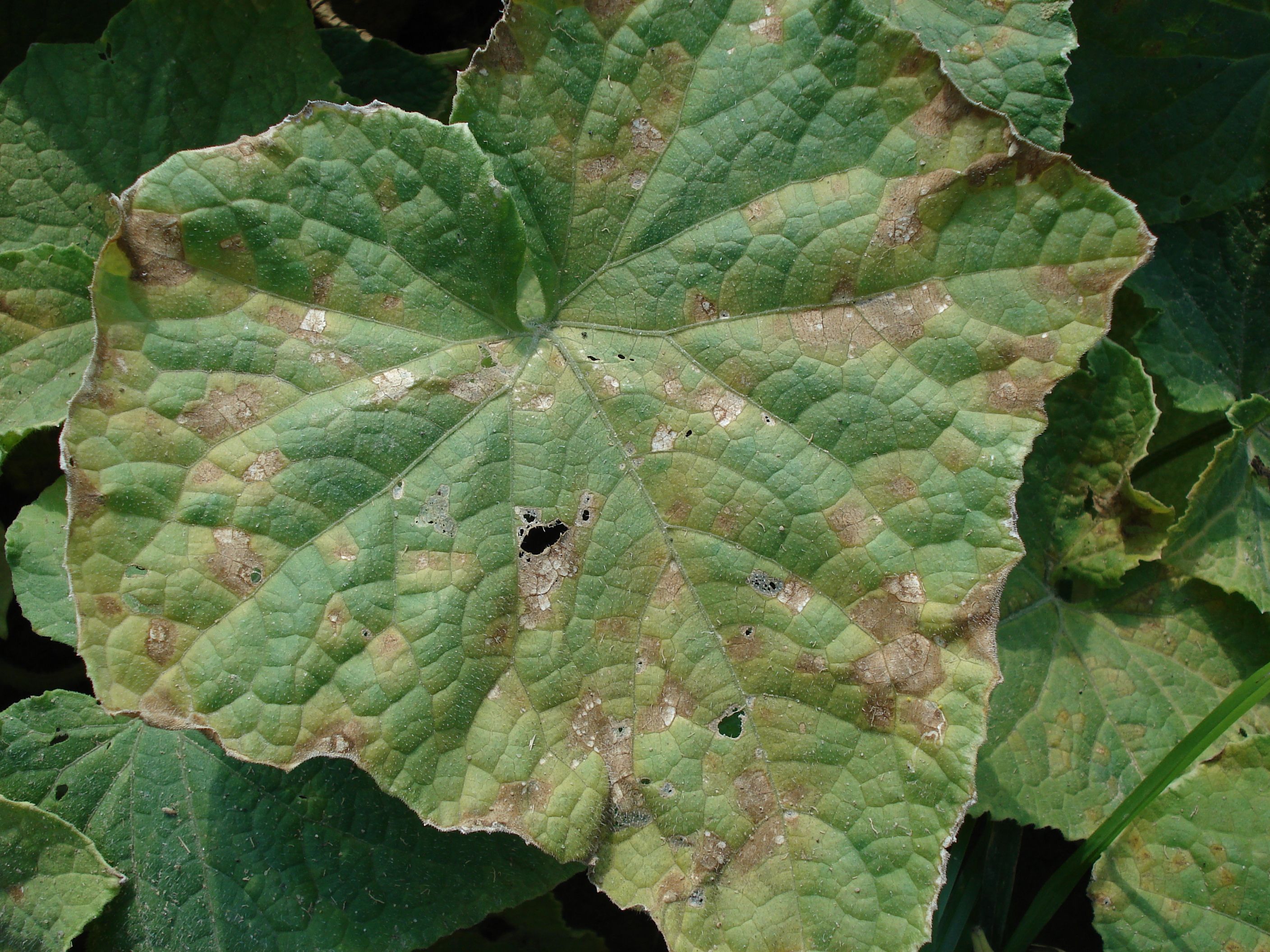
  • Cucurbit downy mildew has been reported on cucumber (6/16/21) and cantaloupe (6/22/21) in southern New Jersey. There have been no reports of CDM on other cucurbit hosts in the region to date. For more information on CDM and its control please click here. To track the progress of CDM please visit the CDM forecasting website.
  • No reports of Late blight in the region. To track the progress of Late blight in the US please click here.
  • Cucurbit powdery mildew has been reported on summer squash, butternut, and spaghetti squash as we are now headed into mid-summer. Please scout fields on a regular basis and initiate a preventative fungicide program if you haven’t already done so. For more information on CPM control please click here.
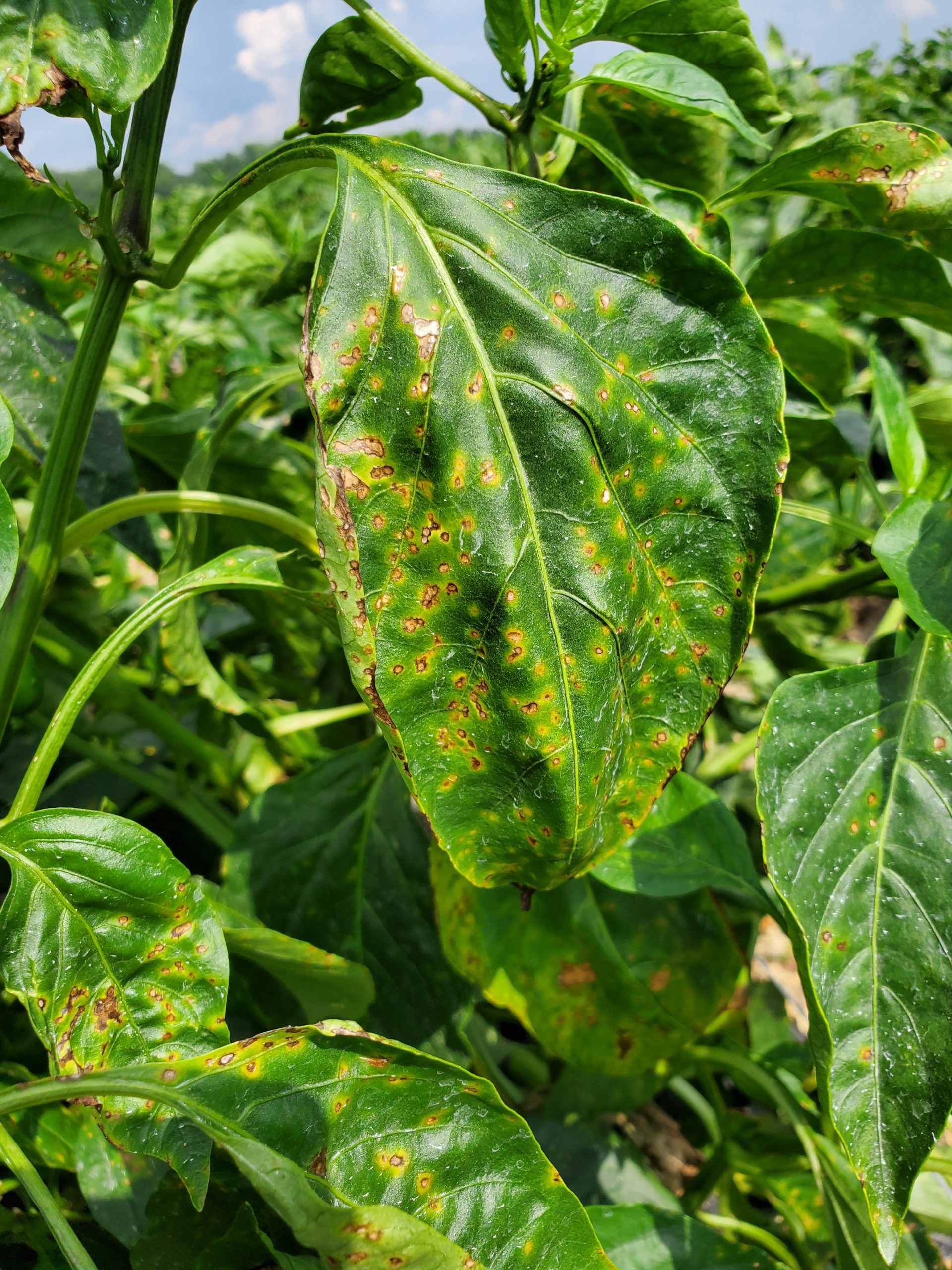
  • Bacterial leaf spot (BLS) continues to be reported on bell and non-bell peppers in southern New Jersey. Rainfall is expected later in the week making conditions ideal for the spread of BLS. For more information on our continuing survey for BLS and copper resistance detection in tomato and pepper please click here.
  • Now is the time to start thinking about pepper anthracnose control, especially on farms or fields with a history of the disease. For more information on preparing for pepper anthracnose please click here.
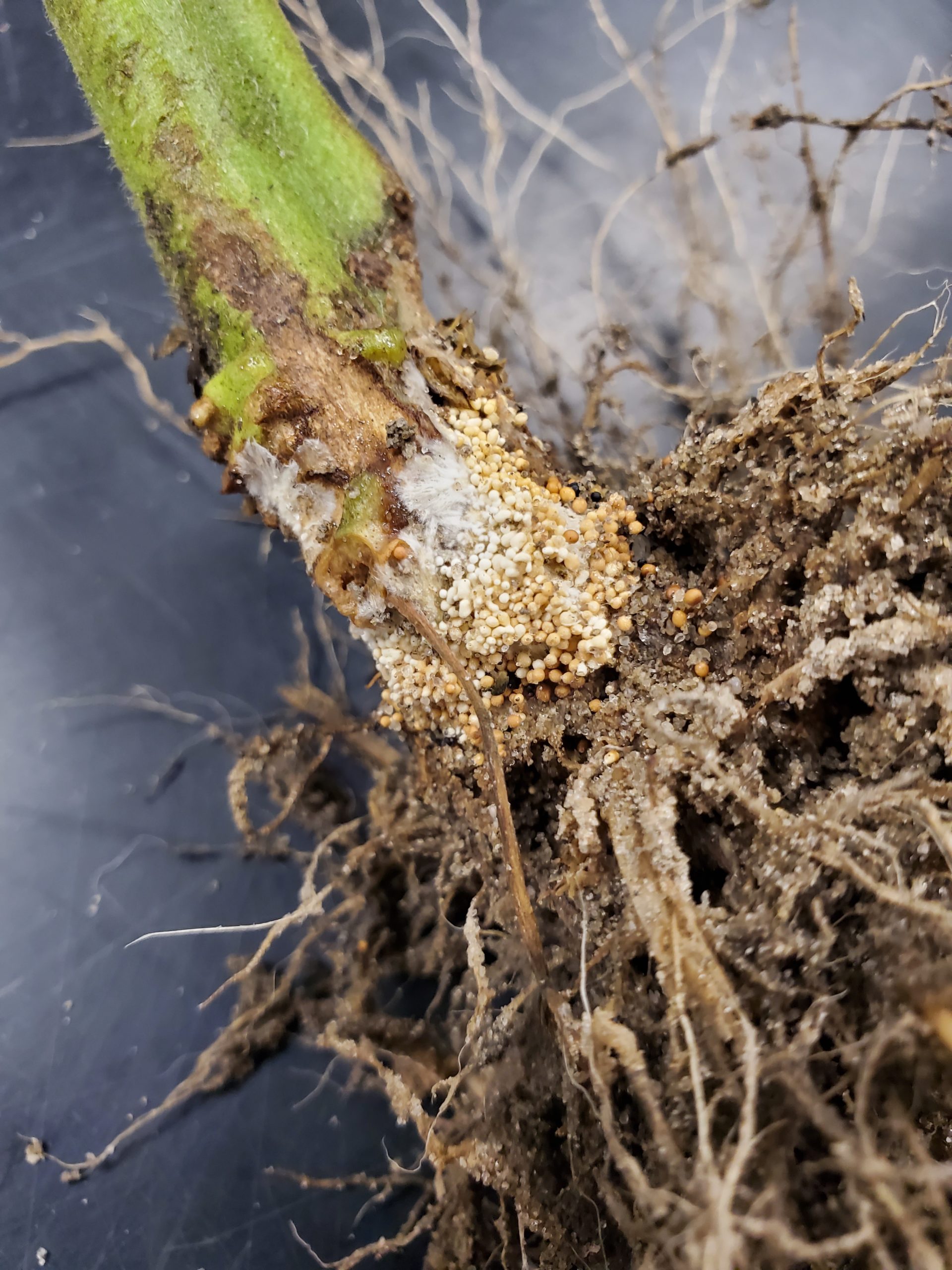
  • Southern blight has been reported on tomato in central New Jersey.
  • The 2020/2021 Commercial Vegetable Production Recommendations Guide is available for free online.
  • For a quick review on managing fungicide resistance development using tank mixes and fungicide rotations, and information on FRAC group 4, FRAC group 7, and FRAC group 3 and FRAC group 11 fungicides please click on hyperlinks.

Mimosa Webworm Activity Begins


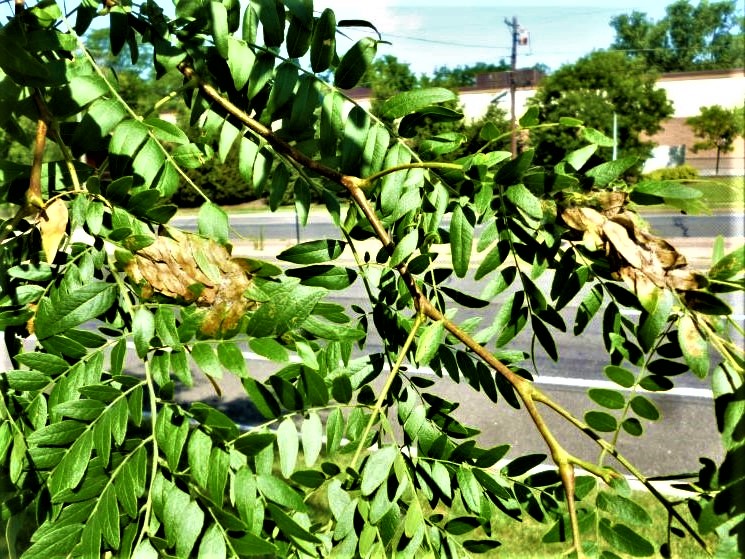
Mimosa webworm early webbing of honeylocust leaflets at outer branches. (Photo Credit: Steven K. Rettke, Rutgers Coop. Ext.)

Mimosa Webworm (Homadaula anisocentra) = (880-1200 GDD = 1st generation egg hatch): The overwintering pupal cocoons of this non-native caterpillar emerged as adults last June & eggs have been laid on leaflets or small twigs of honeylocust (Gleditisia tricanthos ) trees in NJ. This caterpillar also feeds on mimosa trees, but since honeylocust plantings in the urban environment are more common, we usually encountered them on these trees. Within many areas of the state, the early, initial 1st generation webbings by 1st instar caterpillars are now becoming noticeable at the outer edges of the leaf canopy.


[Read more…]

Edge of field weed control to reduce resistance

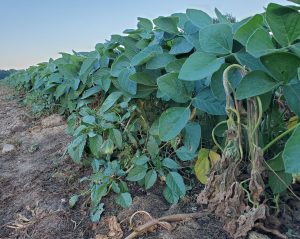
soybean field edge

Giant ragweed: Sporadic patches of giant ragweed (Ambrosia trifida) are emerging above the grassline in field edges mostly along ditches and not within field margins. Let your neighbors know if you spot giant ragweed and where as they are not easy to find amongst all the other weeds along ditches.


Palmer amaranth: Pigweeds, mostly palmer amaranth (Amaranthus palmeri) along field crop margins are rapidly growing and are one of the more frequent observations along outside rows adjacent to lawns and sensitive crops in Salem County. For resistance management, these outside rows of half-dead, curled but still living plants are where resistance can develop. If already sprayed, mow these down to the ground or till under even if it means sacraficing the outside row of crop. If sprayed or mowed, monitor the area to make sure pigweeds completely die.

Ivy Leaf morning glory: Ivy leaf morning glory (Ipomoea hederacea) will continue to sprout with this flush of rain. Monitor newly planted double crop soybeans into wheat stubble for flushes moving into fields from field edges.

Marestail: Over all marestails (Conyza canadensis) are under control except in fallowed unplanted and untilled fields with last year’s crop residue still present. Brushog these down before notilling. Marestail is a wind dispersed seed that like thistles, will end up infesting hundreds of acres downwind if allowed to go to seed.

Thistles: Thistles in the Cirsium and Carduus genus are sporadic but on some idled fields extensively spreading by root rhizomes (Canada) and seed dispersal (Bull, Musk). Canada thistle in sandy soils is a life time headache greatly increasing field management costs over time.