There have been growing concerns about vole damage in apple and peach orchards in southern New Jersey. Vole populations are often cyclic and can reach high populations every 2-4 years. This, combined with poor weed control in orchards, can lead to disastrous effects on trees. Past winter saw many days of snowpack, which is beneficial for voles in many ways. It provides a safe, insulated space for nesting and easy access to the base of fruit trees, without being preyed upon and causing substantial damage to large acres in a short time.
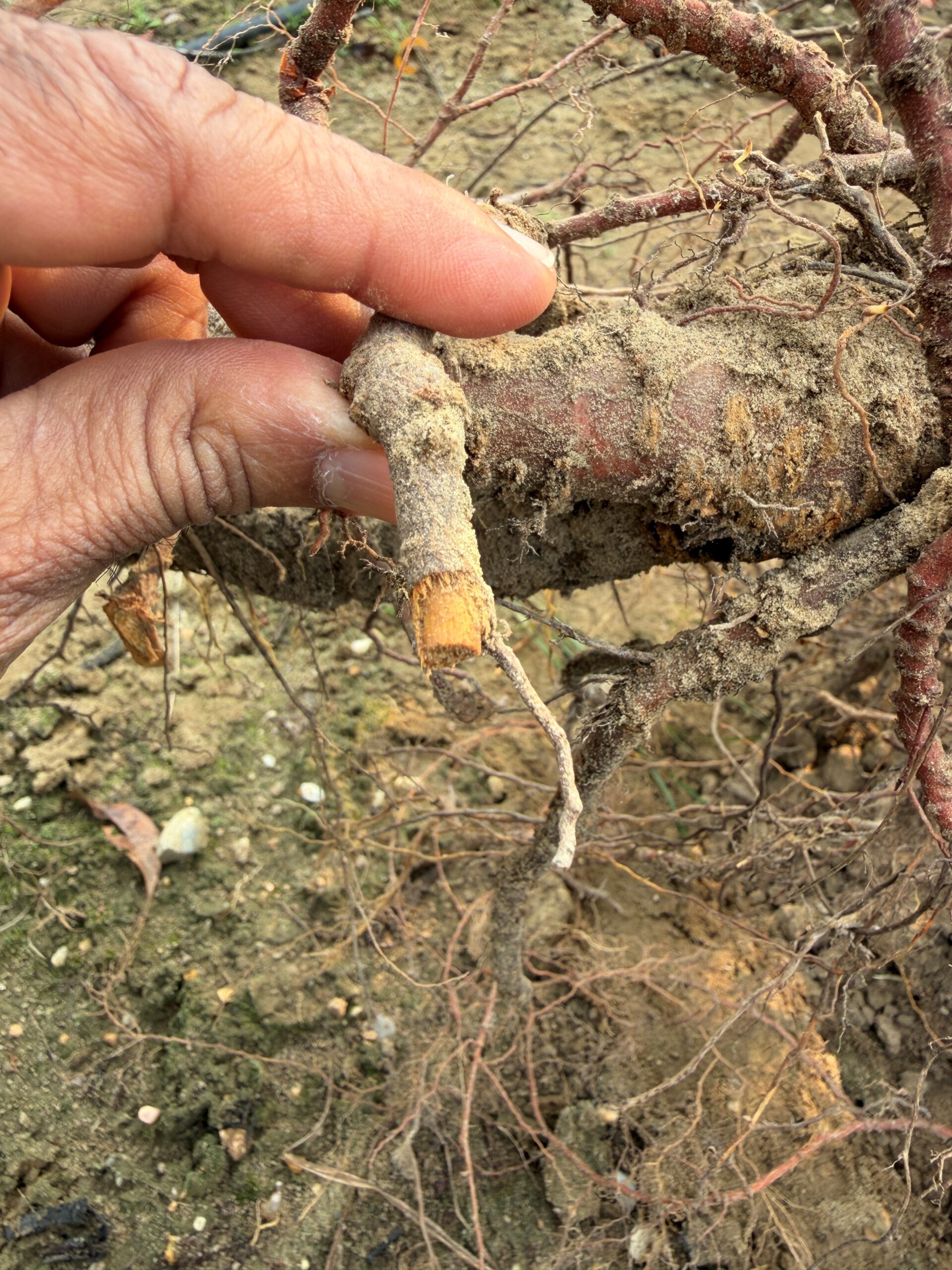
Figure 2. Peach tree root feeding is likely by the pine voles (Photo; H. Gohil).
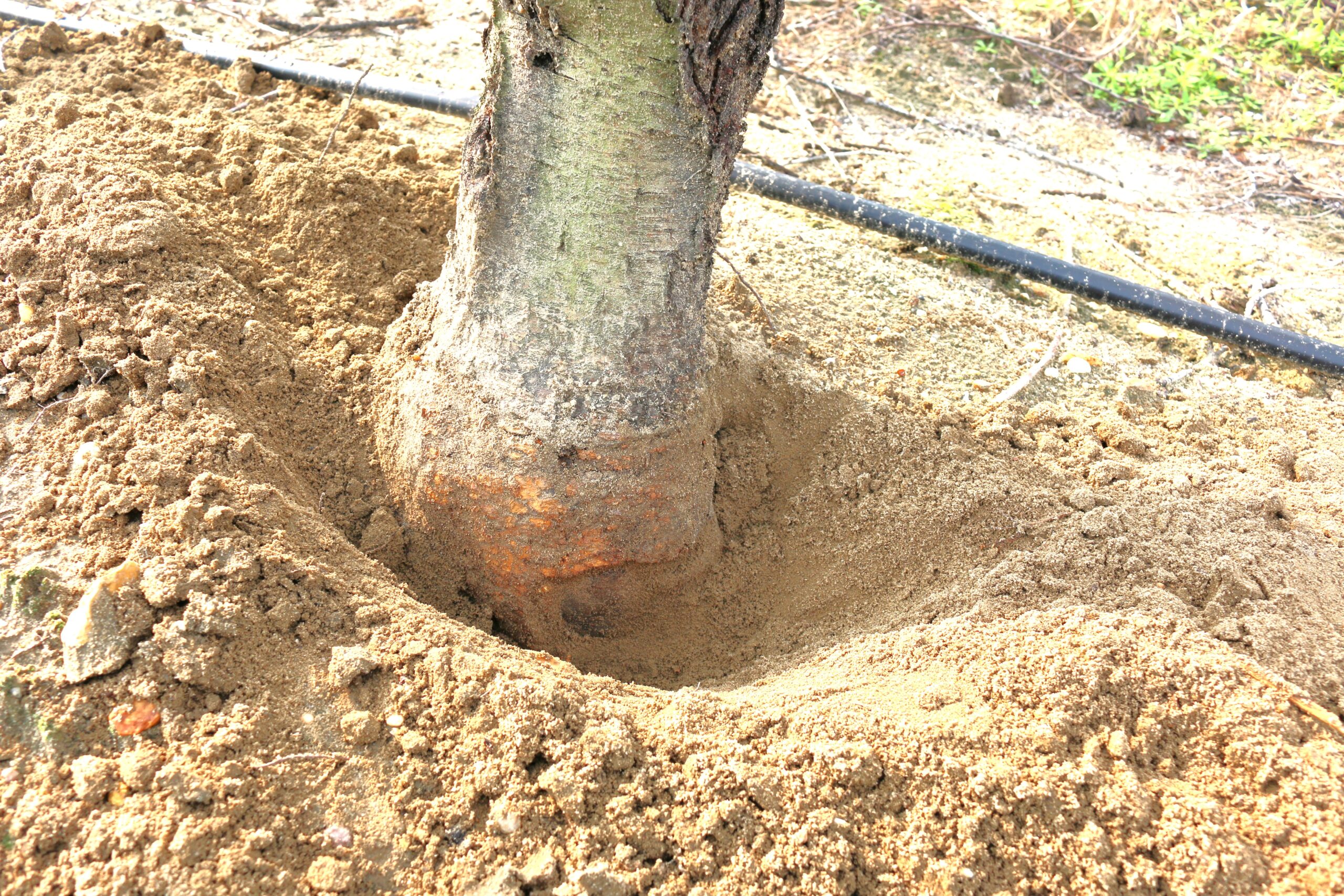
Figure. 1. Vole damage is seen as gnaw marks and girdling at the base of peach tree (Photo; H. Gohil).
Identification and Habitat: Meadow voles and pine voles are two common vole species. Pine voles have small eyes and small, almost inconspicuous ears, while meadow voles have larger eyes and ears. Meadow voles primarily feed in open vegetation, while pine voles prefer underground burrow systems just below the ground surface. Vole diets include many primary food sources in addition to tree bark. However, they can attack fruit trees during the fall and winter months when other food sources are scarce.
Damage: Direct visible signs of Meadow vole damage are often clearly visible at the ground surface in the form of girdling and or gnawing (Figure 1) at the base of the trunk. Pine vole girdles large roots and eats small roots (Figure 2). Pine vole damage is difficult to notice until the tree growth begins to decline, by which time it is difficult to save the tree. Most pine vole damage will appear as root damage and crown girdling just below
the ground surface. However, when feeding occurs under a deep snow cover, damage can appear at the ground surface.
Secondary symptoms: Vole damage may already be extensive by the time unhealthy, declining trees are observed. Above-ground signs resemble those of water and nutrient stress, including yellowish leaves, premature leaf drop, and branch dieback (Figure 3). Observations of extensive gummosis and tunneling by insect borers in the tree trunk or branches indicate weakened trees that may have sustained vole damage. Secondary infections from Phytophthora and Cytospora canker are more likely to occur in damaged or wounded areas (Figure 4). Drought, winter injury, and extreme fluctuations in early-spring temperatures are compounding factors contributing to tree decline in the orchard.

Fig. 4 Gummosis from the trunk indicative of potential secondary infection and environmental stress (Photo; H. Gohil).
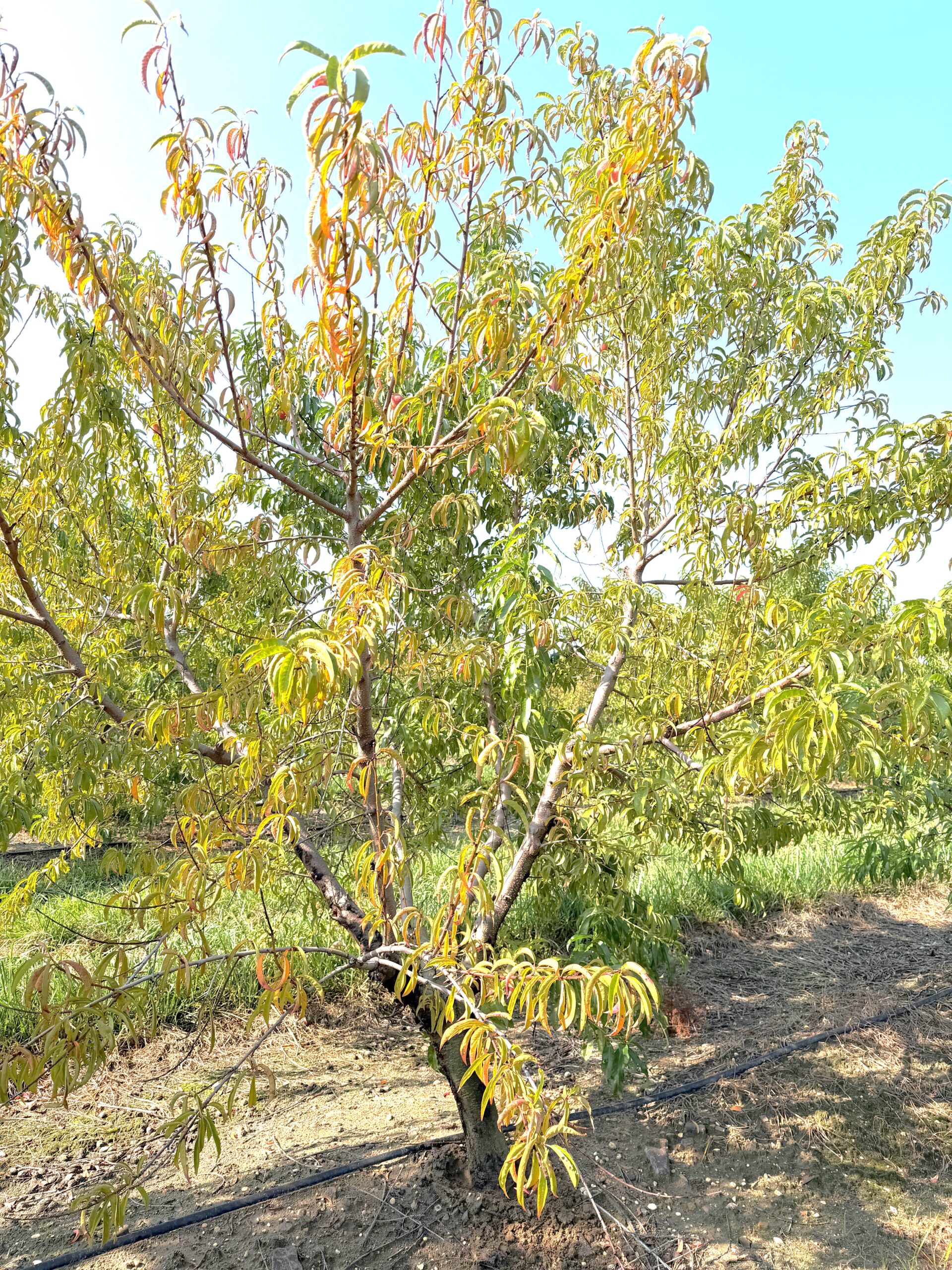
Figure 3. Above- ground symptoms of vole damage. (Photo; H. Gohil)

Figure 5. Presence of holes near the tree indicates vole tunnels and vole damage at the base of the tree (Photo; H. Gohil).
Vole Monitoring: If you notice holes, dime-sized or larger, under the tree, they could be signs of a vole tunnel and likely vole damage (Figure 5). Dig the soil around the trunk and look for gnaw marks or girdling. Meadow voles create an extensive network of surface runways in the grass, about 1.5 inches wide, often visible after close mowing. Bits of leaves and vole droppings in pathways are the surest signs of meadow vole presence. Runways are often spread out through the cover crop in orchard aisles and, under poor weed control, cross back and forth to the tree row. Since pine vole burrows and runways are just underground, there is a “soft” feel of the soil underfoot, which is one indication of pine vole presence. A simple monitoring method is a two-step process. First, place a grid of ‘shelters’ in the orchard. These can be pieces of roofing shingles, heavy tar paper or roof matting, or scraps of wood. After leaving them for 3-5 days so the voles can find them, place apple chunks or slices beneath each shelter. Return in 24 hours and assess which pieces have been chewed. This will give you a rough idea of where controls need to be focused.
Vole Management:
Non-Toxicant: Regularly mowing ground cover to 3 to 5 inches is a recommended practice for an integrated vole damage management program. It not only limits the availability of food for voles’ survival but also exposes them to predators. Maintaining a vegetation-free zone below the trees discourages voles from living near the trunk, where they can cause significant damage. This is the MOST IMPORTANT aspect of routine vole prevention. Sanitizing the orchard floor by removing leaves and pruned twigs, which attract the voles, is also helpful.
The addition of a 12-inch-diameter, 3-4-inch-deep gravel layer around the trunk will also help. Gravel collapses in on a vole runway, helping prevent voles from accessing the trunk and crown of the tree.

Fig. 6. Bait Station for voles in the orchard
Cylinder-shaped wire guards made from 1/4-inch hardware cloth mesh placed around the tree trunks can protect young trees. However, make sure to bury the hardware cloth at least 6 inches below the surface to control both meadow and pine voles. This exclusion method may not be very practical or cost-effective in large orchards.
Toxicants: Sometimes, to control large-scale vole populations, chemical methods are the only practical option available. When vole populations get too high, toxicants within and near the herbicide strip in the tree rows are the most effective means of controlling them. There are 2 types of toxicants available: 1) zinc phosphide, which is a fast-acting stomach poison, and 2) chlorophacinone and diphacinone, which are slow-acting anticoagulants. Zinc phosphide is extremely toxic. These materials are sold under a number of brand names including for Zinc Phosphide: Prozap Zinc Phosphide Pellets, Prozap Zinc Phosphide Oat Bait, Bonide Orchard Mouse Bait, and Zinc Phosphide Rodent Bait AG. Anticoagulants include Ramik Oats, Ramik Brown, and Rozol Vole Bait. Make sure you have the necessary pesticide applicator license to handle these chemicals.
The reliance on one product over another is discouraged, since voles will get accustomed to grain baits with anticoagulants or become bait-shy of anticoagulants in general. Bait is most effective when placed in simple bait stations, such as under roofing shingles, boards, or scrap plate steel, or in PVC pipe bait stations (Fig. 6). Hand placement in areas of high vole activity, or depositing bait with a trail maker, is also effective. Broadcast placement of toxicants is discouraged, since it is inefficient and can put wildlife at risk. Bait stations can reduce the chances of bait getting into contact with unintended animals or humans. Bait stations are easy to make using 2- to 3-inch PVC pipes in an ‘L’ or ‘T’ shape, with the horizontal pipe providing an opening for voles to enter and the vertical pipe containing the toxicant. Fumigants are usually not effective because shallow depth of vole burrow systems allow fumigants to escape.
Sources:
https://web.extension.illinois.edu/wildlife/files/vole_control_in_apple_orchards.pdf.
https://www.aphis.usda.gov/wildlife_damage/nwrc/publications/93pubs/93-42.pdf.
http://extension.missouri.edu/p/G9445

