Bagworm Caterpillar Egg Hatch Concluding

Unhatched Bagworm Eggs in Female Sack; Photo Credit Steven K. Rettke (RCE)

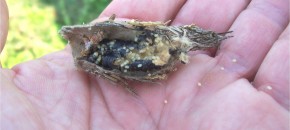
The common Bagworm Caterpillar (Thyridopteryx ephemeraeformis) has undergone egg hatch throughout much of the state during the past few weeks (GDD = 600-900).  The early instar stages during the month of June can easily be overlooked. For the first few weeks after hatch, the smaller Bagworms do not produce conspicuous feeding symptoms. However, for best control results these […]

Continue reading...
Farm Food Safety: FDA Q&A Printable Summary

Food Safety Modernization Act FDA Q & A Sessions Proposed Produce Safety Rule

The Food Safety Modernization Act will impact most growers in New Jersey. Over the past weeks, we have posted the Questions and Answers for each of the conference calls focusing on subparts of the proposed Produce Safety Rule of the Food Safety Modernization Act on the PPA Food Safety section. For your convenience, the Q&A’s […]

Continue reading...

Veg IPM Update: Week Ending 6/19/13

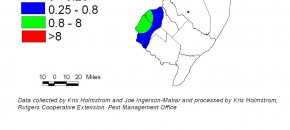
CEW Distribution from Blacklight Traps 6/19/13

Vegetable IPM Report 6-19-13 – Click to View | Download | Print In this report: Sweet Corn Cole Crops Tomatoes Peppers Brown Marmorated Stinkbug Pumpkins and Winter Squash Snap Beans Click on Map to Enlarge

Continue reading...

Thoughts on Managing “The Big Three” Blueberry Insect Pests

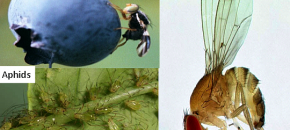
The Big Three Insect Pests of Blueberry

As we go forward growers will want to have effective programs for the management of all of The Big Three insects at this time: Blueberry Maggot (BBM), Aphids, and Spotted Wing Drosophila (SWD).

Continue reading...

Blueberry Pest in Detail: Spotted Wing Drosophila

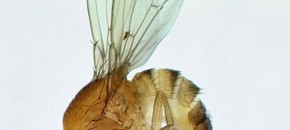
Spotted Wing Driosophila

A new pest of New Jersey Blueberries We have started to catch Spotted Wing Drosophila adults in low numbers. While these numbers are very low, they do indicate a presence in our production areas.

Continue reading...

Edema Developing in Some Brassica’s

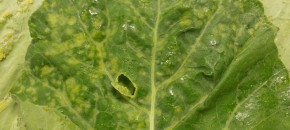
Edema is being reported in some brassica crops. Edema is often expressed as off-color swellings or galls that appear on leaves and stems. Edema develops when epidermal cells hold excessive water due to a slowing of evapotransporation when hot, muggy days are followed cooler, wetter weather. Edema develops because the plant takes in more water […]

Continue reading...