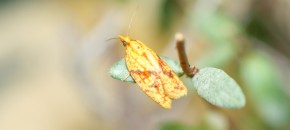
Cranberry Insect IPM During Bloom

We are in the middle of bloom. If insects have been effectively managed prior to bloom, we recommend no sprays at this time. A reminder: when bees are present your only choices of insecticides are the Insect Growth Regulators –IGR- (e.g. Confirm and Intrepid) or Bt products (e.g. DiPel).

Continue reading...

Potato Disease Forecasting Report 6-17-14

Potato Disease Forecasting Report 6-17-14 – Click To Download We will be tracking DSVs for Late blight development and calculating P-days for initiating the first early blight fungicide application The first late blight fungicide application is recommended once 18 DSVs accumulate from green row. Green row typically occurs around the first week in May in southern […]

Continue reading...

Tomato Disease Forecasting Report 6-17-14

6-17-14 Tomato Report – Click to Download Disease severity values (DSVs) for early blight, septoria leaf spot, and tomato anthracnose development are determined daily based on leaf wetness (due to rainfall, dew) and air temperature. On a daily basis DSV values can range from 0 to 4 where 0 = no chance for disease development […]

Continue reading...

Weekly Crop Update: Soybean, Winter Wheat, & Barley

Postemergence Management of Glyphosate-Resistant Horseweed in Soybeans Palmer Amaranth Control in Soybeans Harvest Aids for Small Grain Postemergence Management of Glyphosate-Resistant Horseweed in Soybeans Options for controlling horseweed (marestail) resistant to glyphosate after the soybeans have emerged are very limited. Liberty Link soybeans are an exception, because Liberty 280 is fairly effective on horseweed (be […]

Continue reading...

Basil Downy Mildew Confirmed in New Jersey 6-13-14

Basil downy mildew has been reported for the first time this season near Millville, NJ in potted Thai and Cinnamon basil plants being sold at big box stores, as well as in sweet basil located in grower field. All basil growers in New Jersey should scout their fields on a daily basis.

Continue reading...

Weather Increases the Risk of Crop Injury from Herbicides Applied Postemergence

The recent extended period of cloudy weather and high soil moisture may have resulted in certain crops growing rapidly and developing a thinner than “normal” wax layer, called the cuticle, on the leaves. This thinner cuticle is more easily penetrated by postemergence herbicides. Warm temperatures during the cloudy moist period will increase the speed of […]

Continue reading...