Articles in this section contain information helpful to the NJ commercial organic grower.
Sweet Corn
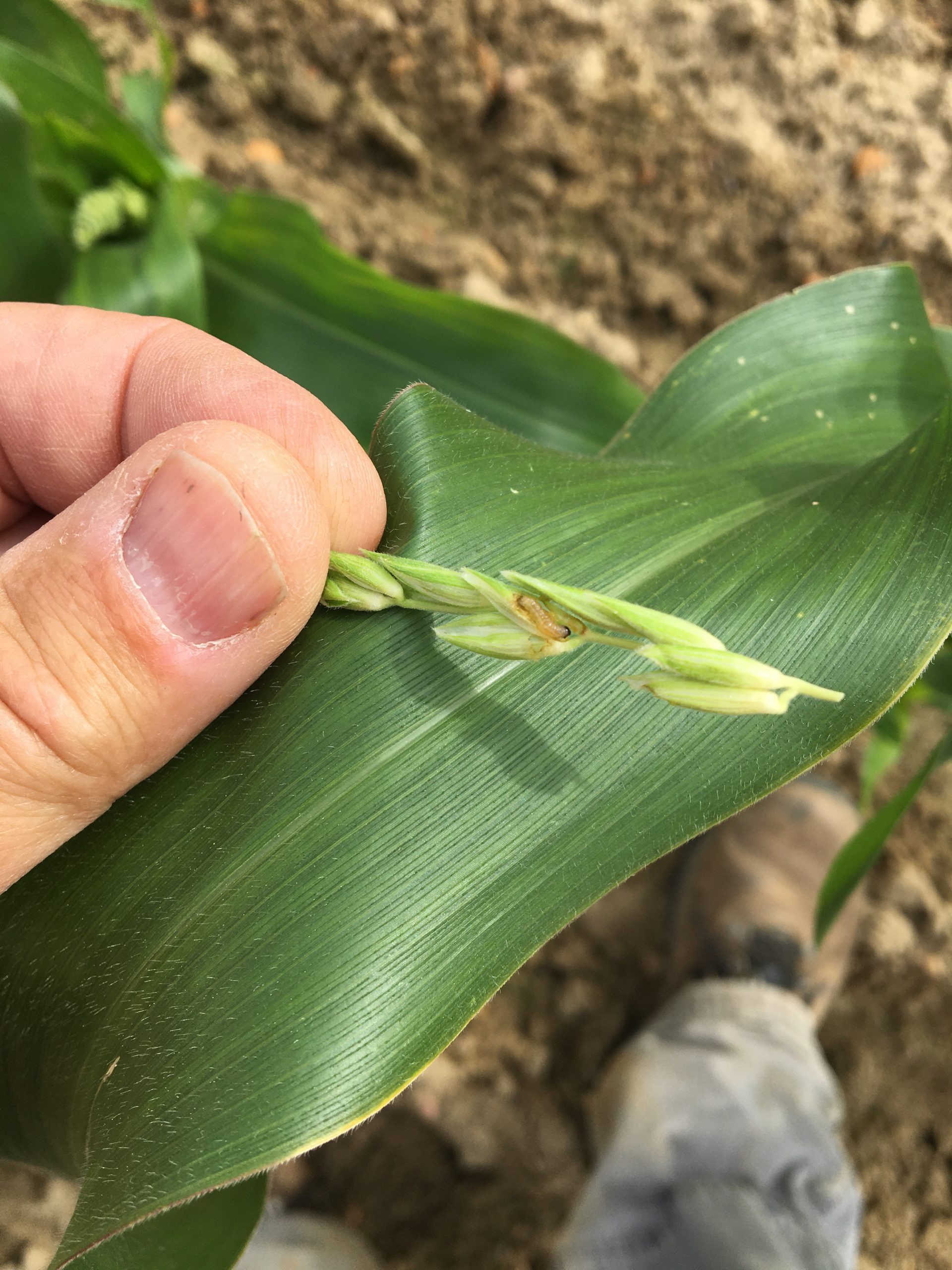
Occurrences of Fall armyworm (FAW) injury are becoming more common, with infestations discovered as far north as Warren County this week. Some infestations in whorl corn are in excess of 20%. It is likely that economic infestations are present in much of southern New Jersey now, and could occur anywhere. Growers are advised to check whorl and seedling stage corn plantings weekly for signs of FAW. Consider treating if infestation rates exceed 10%. This pest is capable of significant injury to sweet corn plants, resulting in severe stunting and failure to produce viable ears.
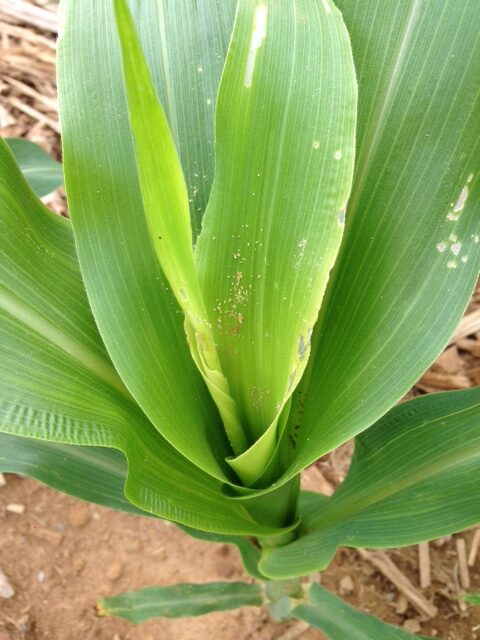
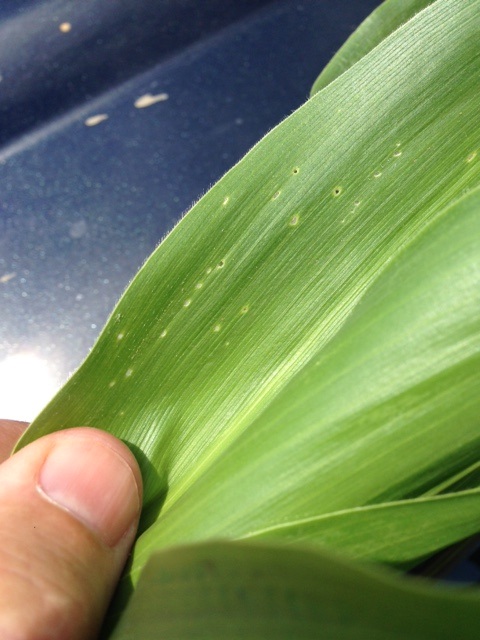
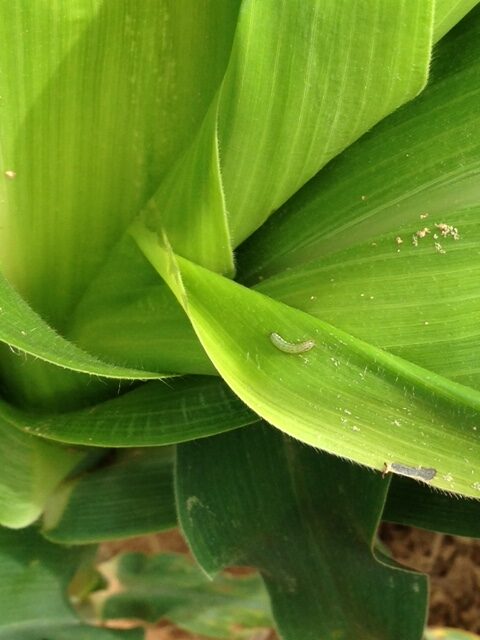 Newly hatched FAW larvae cause holes and scratches on leaves that are similar to European corn borer (ECB) feeding, except that they tend to be more concentrated and always lead down into the whorl (see photos at left). As the larvae grow, the feeding becomes more destructive, with large ragged holes and obvious droppings deposited in the whorl (see photo at right).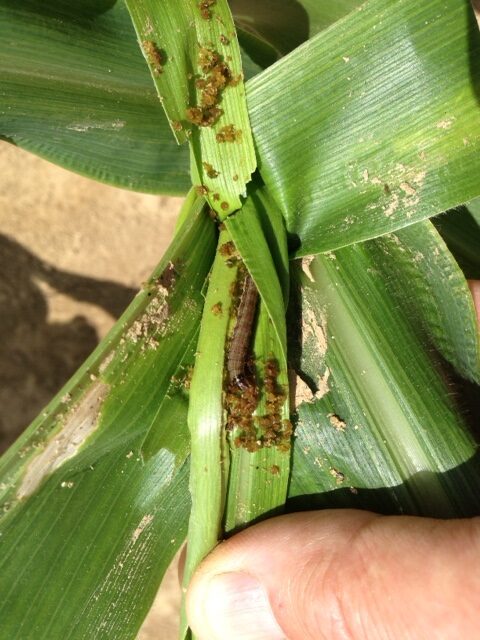
We will provide updates on new FAW appearances and severity as reports come in. FAW are resistant to synthetic pyrethroids. Effective sprays should include IRAC grp. 5 (spinosyns) or IRAC grp. 28 (diamides). The carbamate (IRAC grp. 1A) Lannate is also still effective. Sufficient water should be used in the applications to allow the solution to penetrate the layer of droppings that may have formed above the caterpillar.
European corn borer (ECB) moth activity remains extremely low in areas where blacklight traps are operating in the northern and central counties. Many plantings exhibiting no ECB injury at all. We will report on ECB activity should numbers rebound to potentially damaging levels during the second flight. In recent years, this later flight has not required targeted control in sweet corn.
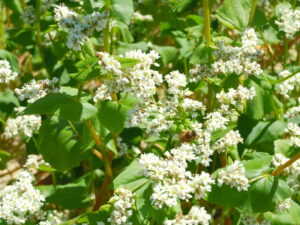 Now that some of our spring planted crops have finished, rather than leaving fields fallow or replanting fields that may have had some issues with plant diseases or insect pests, consider replanting with a summer cover crop. It is not too late to take advantage of summer cover crop benefits. What do summer cover crops do for soil health or future crop improvements? See below:
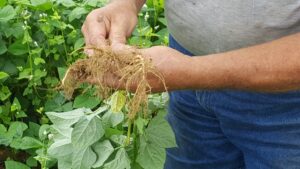 otherwise be lost. The cover crop plant takes up the nitrogen and after the crop is incorporated it decomposes, thus releasing the N for subsequent crops to use. If legume cover crops are planted, they have the ability to “fix” nitrogen from the atmosphere and through the same decomposition process will provide N for subsequent crops. Be sure to inoculate legume seed just prior to planting with Rhizobium bacteria in order to gain the maximum N fixation benefits.