Having touble controlling your Annual Bluegrass Weevil (ABW) populations? You’re not alone. Insecticide resistance in ABW is a growing and expanding problem. And because the major resistance mechanism involved, enhanced metabolic detoxification of the insecticide active ingredients, is not very specific, the resistance can be very broad. [Read more…]
Landscape, Ornamentals, Nursery, and Turf Edition
Seasonal updates on ornamental, nursery, and turf pests.
Subscriptions are available via EMAIL and RSS.
Companion Website Links:
 Rutgers Turf Blog - Articles on turfgrass diseases and cultural practices for the commercial turfgrass industry. Subscription available via RSS.
Rutgers Weather Forecasting - Meteorological Information important to commercial agriculture.
April 14, 2014 Zane Helsel
Pesticide Storage Inventory Due May 1
All NJ licensed pesticide applicators, as well as dealers, who store pesticides are required by law to send a copy of their storage inventories with an explanatory cover letter to the local fire company by May 1st each year. [Read more…]
April 11, 2014 Albrecht Koppenhofer
ABW Part 1: Managing Insecticide Susceptible Populations
With the ongoing ‘heat wave’ forsythia should be in full bloom and overwintered adult annual bluegrass weevil (ABW) should have started their spring migration soon. But no reason to panic. Adult ABW are best controlled when forsythias are half gold:half green, when most of them are on the short-mown turf but have not started laying eggs, yet. And given the reversion to cool weather in the coming week (4/15-18), that will likely not happen until early May in central NJ.
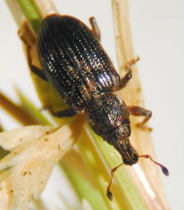
Annual Bluegrass Weevil Adult
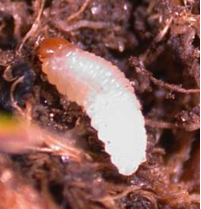
Annual Bluegrass Weevil Larvae
April 8, 2014 Jim Murphy
Turf Green-up Underway
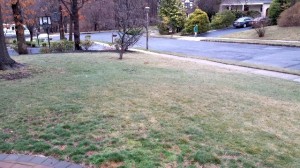
It has been a long winter and delayed spring this year but yesterday’s rain and that of two weekends ago has “primed the pump” and initiated new growth of many turfgrasses and other plants. Thus, there is no more time to put off yard clean-up. Any leaves, branches and other debris dropped and blown around during the winter should be removed from turfs and other lowing growing landscape plantings. Otherwise early spring growth of plants will be impeded by any debris smothering those plants.
April 7, 2014 Richard Buckley
Goes to Show You Don’t Ever Know
Last week, we saw photographs of cherrylaurel that got pummeled by the winter. Of course, I proved my plant ignorance in the blog post by calling the photos of cherrylaurel, Prunus laurocerasus, mountain laurel, which is Kalmia latifolia. No doubt mountain laurel got hurt in the winter just the same as cherrylaurel did and no doubt I need a better editor!
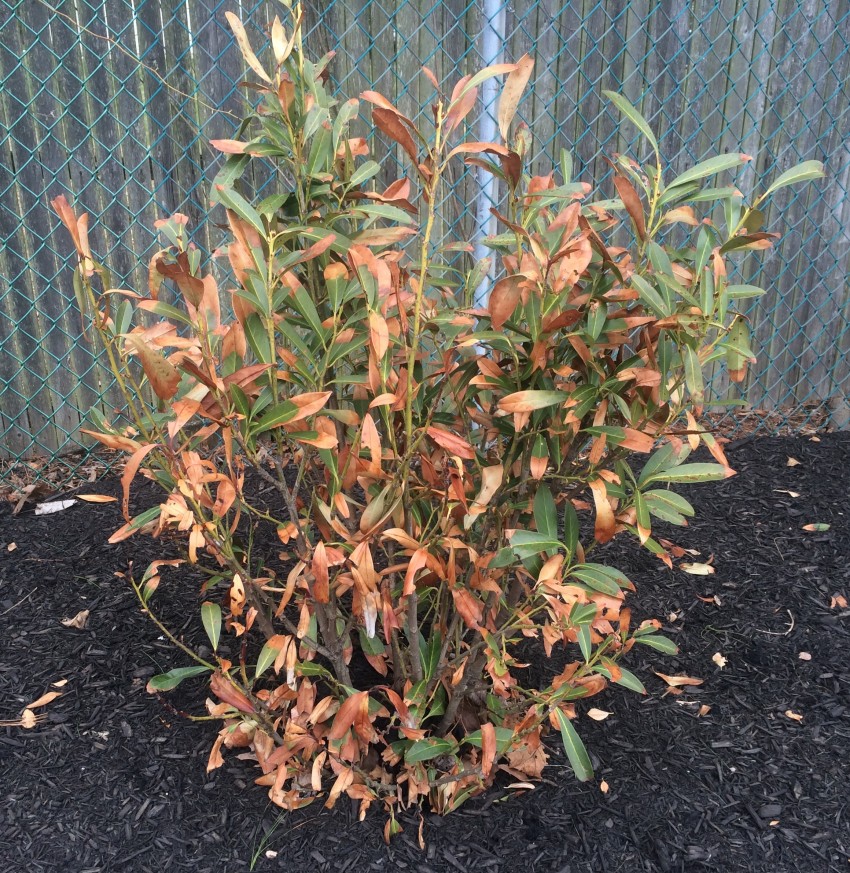
Winter injured cherrylaurel. Photo: Richard Buckley, Rutgers PDL
April 3, 2014 Jim Murphy
SFMANJ Spring Field Day Apr 22, 2014
The Sports Field Managers of New Jersey (SFMANJ) Spring Field Day covers topics such as the fertilizer law, weed control, irrigation, grasses, and field maintenance.
Date: Tuesday, April 22, 2014
Location: South Delsea Park
152 South Delsea Drive, Glassboro, NJ
Registration Flyer

