Tuesday, April 30, 2024
6:00 p.m. – 9:00 p.m.
East Vineland Fire Hall
4931 Landis Ave. across from the Savoy Restaurant
(please park behind the building and enter conference room door in rear)
USDA’s SARE Program – Resources and Farmer Grants
- Michelle Infante-Casella, RCE Gloucester
Pesticide Safety and Compliance Tools for Growers and Applicators
- Pat Hastings, RCE Pesticide Education Program Coordinator
Management Options for Allium Leaf Miner, Diamondback Moth, & Corn Earworm
- Kris Holmstrom, RCE Vegetable IPM Program Associate
Implications of EPA’s Herbicide Strategic Plan to Comply with the Endangered Species Act &
Weed Management Strategies for Spring and Summer Vegetable Crops
- Dr. Thierry Besancon, RCE Specialty Crop Weed Specialist
Unlocking the Power of Social Media Marketing Trends
- Claudia Gil-Arroyo, RCE Cape May
Disease Control Options for Spring Vegetable Crops
- Dr. Andy Wyenandt, RCE Vegetable Plant Pathologist
Changes to the New FSMA Water Rule Now in Place, and to the Harmonized Audit
- Dr. Wes Kline, RCE Cumberland
Pesticide Recertification Credits have been requested for this meeting. We hope you’ll be able to join us.
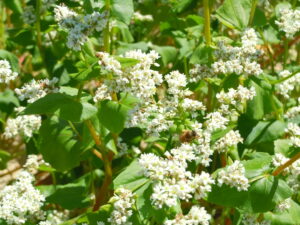 Now that some of our spring planted crops have finished, rather than leaving fields fallow or replanting fields that may have had some issues with plant diseases or insect pests, consider replanting with a summer cover crop. It is not too late to take advantage of summer cover crop benefits. What do summer cover crops do for soil health or future crop improvements? See below:
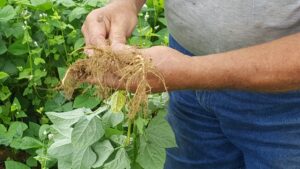 otherwise be lost. The cover crop plant takes up the nitrogen and after the crop is incorporated it decomposes, thus releasing the N for subsequent crops to use. If legume cover crops are planted, they have the ability to “fix” nitrogen from the atmosphere and through the same decomposition process will provide N for subsequent crops. Be sure to inoculate legume seed just prior to planting with Rhizobium bacteria in order to gain the maximum N fixation benefits.
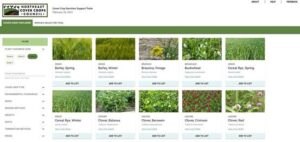 More than 35 specialists from around the Northeast and Mid-Atlantic contributed their expertise to develop the tool. The project was spearheaded by the Northeast Cover Crops Council, a group of farmers, researchers, Extension educators and personnel from nonprofits and industry that encourages the adoption of cover crops by fostering the exchange of information, inspiration and outcome-based research. The Council was formed with support from a Northeast SARE Professional Development Program grant. Through this and other USDA funding, the project team collaborated with USDA’s Agricultural Research Service (ARS) and Natural Resources Conservation Service (NRCS), Agricultural Informatics Lab and Precision Sustainable Agriculture to design the tool.