Fruit Crops Edition - Blueberry Section

Seasonal updates on diseases, insects, weeds impacting small fruit (blueberry, cranberry, and wine grape). Fruit Pest Alerts are also available via this category feed.
 
Subscription is through the general Fruit feed available via EMAIL and RSS.

BMSB Survey

“Are you a grower? Got stink bugs? We need your help! We’re surveying growers to assess the impact of BMSB on crops and gathering information that will help us defeat this pest.

Receive a free Guide to Stink Bugs* if you complete the 10-minute BMSB survey”
https://cornell.qualtrics.com/SE/?SID=SV_5ssnjXLNhvp6v1H
Thanks in advance! – From the Northeast IPM Center

The BMSB Working Group, through NE IPM Center and Cornell University, is collecting information from farmers on BMSB impact and management. If you have time, please fill out this short survey. It will help to gather information that we can use to identify what’s working and what we still need to do.

Organic SWD Management Survey

There is a national effort to identify management options for no-spray or organic growers that are trying to manage spotted wing drosophila. If you are an organic grower, please consider filling out this survey to help researchers prioritize areas of research.
Organic Grower Survey on Spotted Wing Drosophila

Fruit IPM Report Apr 22, 2014

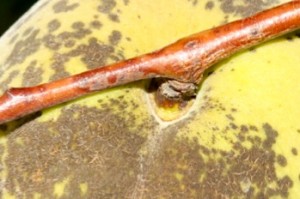
Peach Scab

Peach scab lesions on fruit with old lesions on wood.

This week in Fruit IPM

  • Peach
  • Apple
  • Pear
  • Blueberry
  • Scouting Calendar
  • Trap Counts (Southern Counties)

[Read more…]

Stinger Controls Difficult Composite and Legume Weeds in Blueberries

Stinger has been labeled for weed control orchards for years, and now has a label for use in blueberries. The weeds controlled fall into two botanical plant families, composites and legumes.

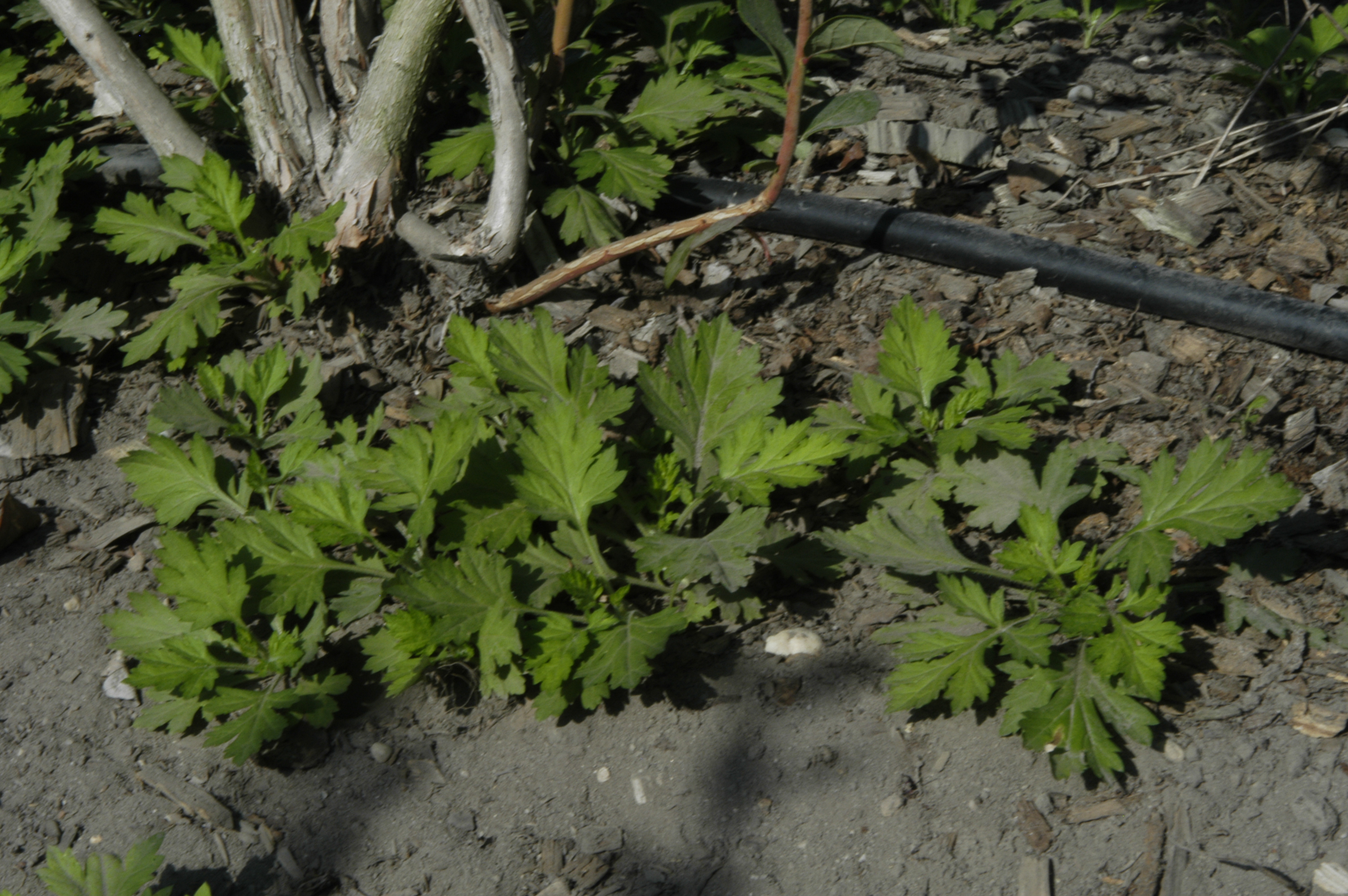
Mugwort in blueberries is also called wild chrysanthemum due to its scent when the leaves are crushed.

Mugwort is also called wild chrysanthemum due to the scent when the leaves are crushed.

Common composite weeds found in our orchards include Canada thistle and other thistles, goldenrod species, aster species, common dandelion, mugwort (wild chrysanthemum), horseweed (marestail or stickweed), and ragweed species. Legume weeds include vetch species and clover species.
[Read more…]

Cranberry Weevil Research

In field evaluations, we demonstrated that yellow sticky traps baited with the blend of four aggregation pheromone components trapped significantly more cranberry weevil adults than un-baited controls.
Development of pheromone-based monitoring lures is an important step toward spatially-precise management techniques that may lead to significant reduction in the use of pesticides targeted against cranberry weevil in blueberries.

Cranberry Weevil Traps

Evaluation of Different Color Cranberry Weevil Traps

The cranberry weevil is a key pest of highbush blueberries in New Jersey and of cranberries in Massachusetts. [Read more…]

Pesticide Storage Inventory Due May 1

All NJ licensed pesticide applicators, as well as dealers, who store pesticides are required by law to send a copy of their storage inventories with an explanatory cover letter to the local fire company by May 1st each year. [Read more…]
