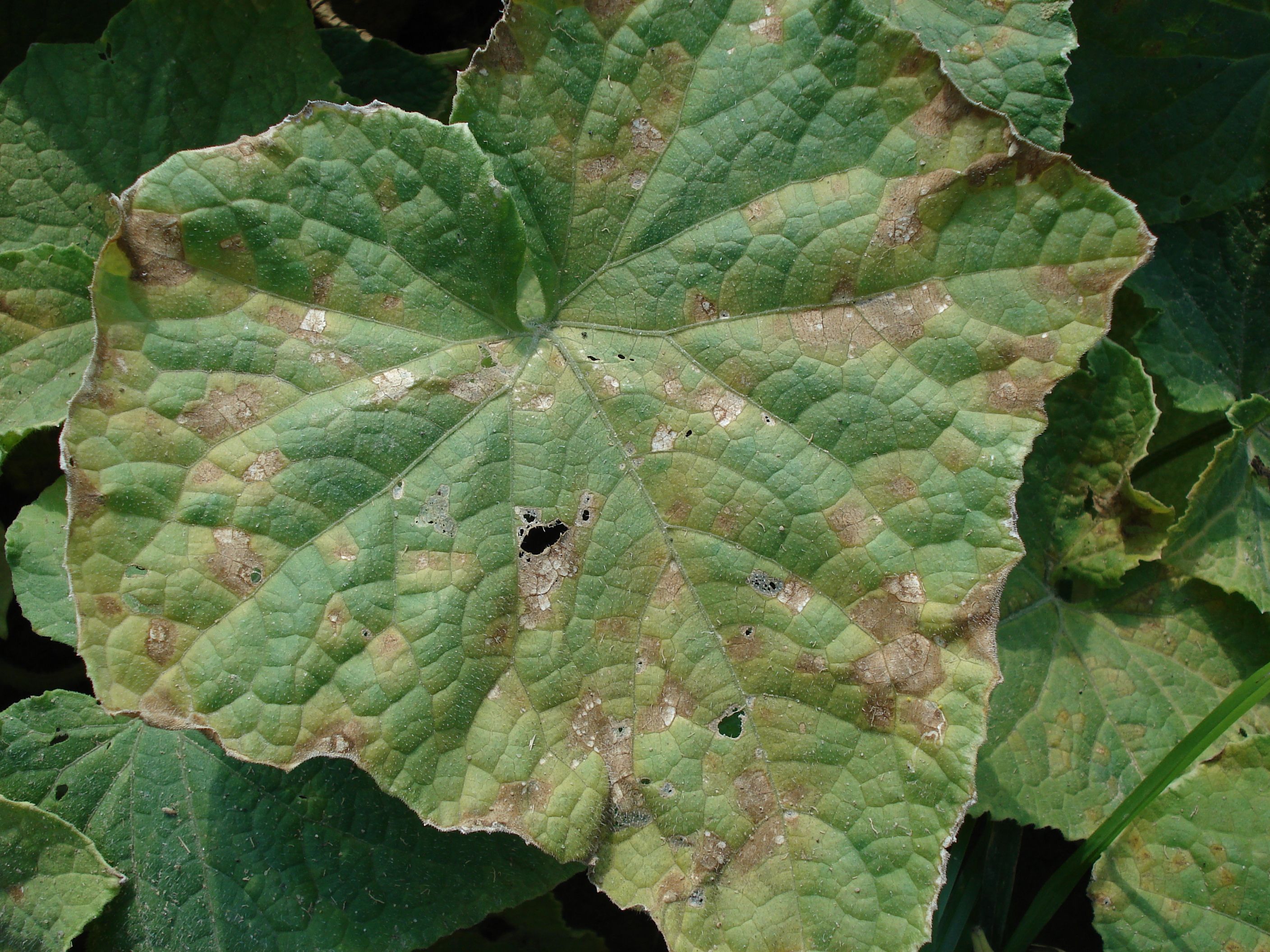
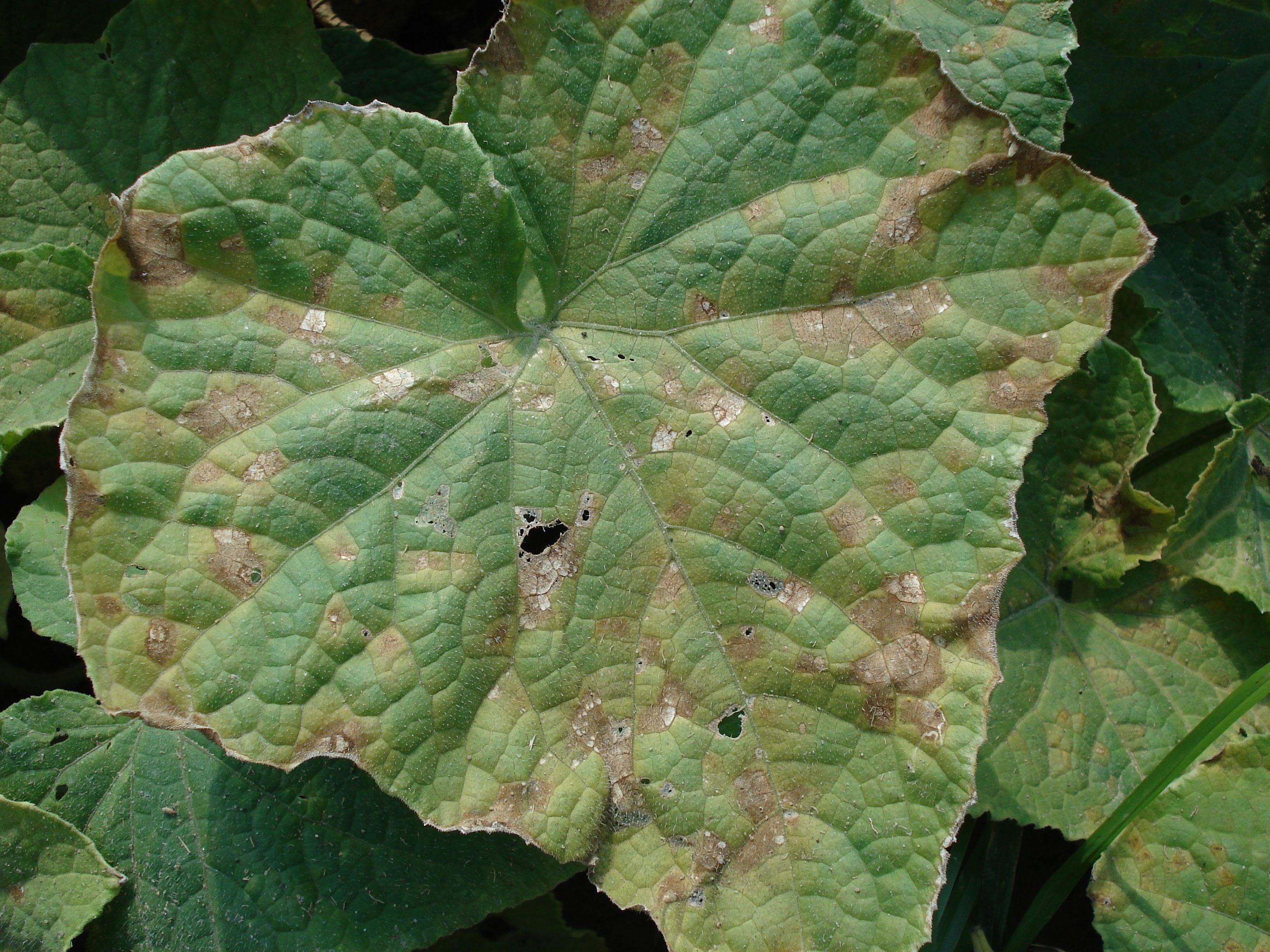
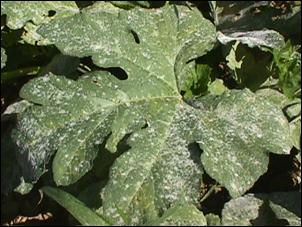
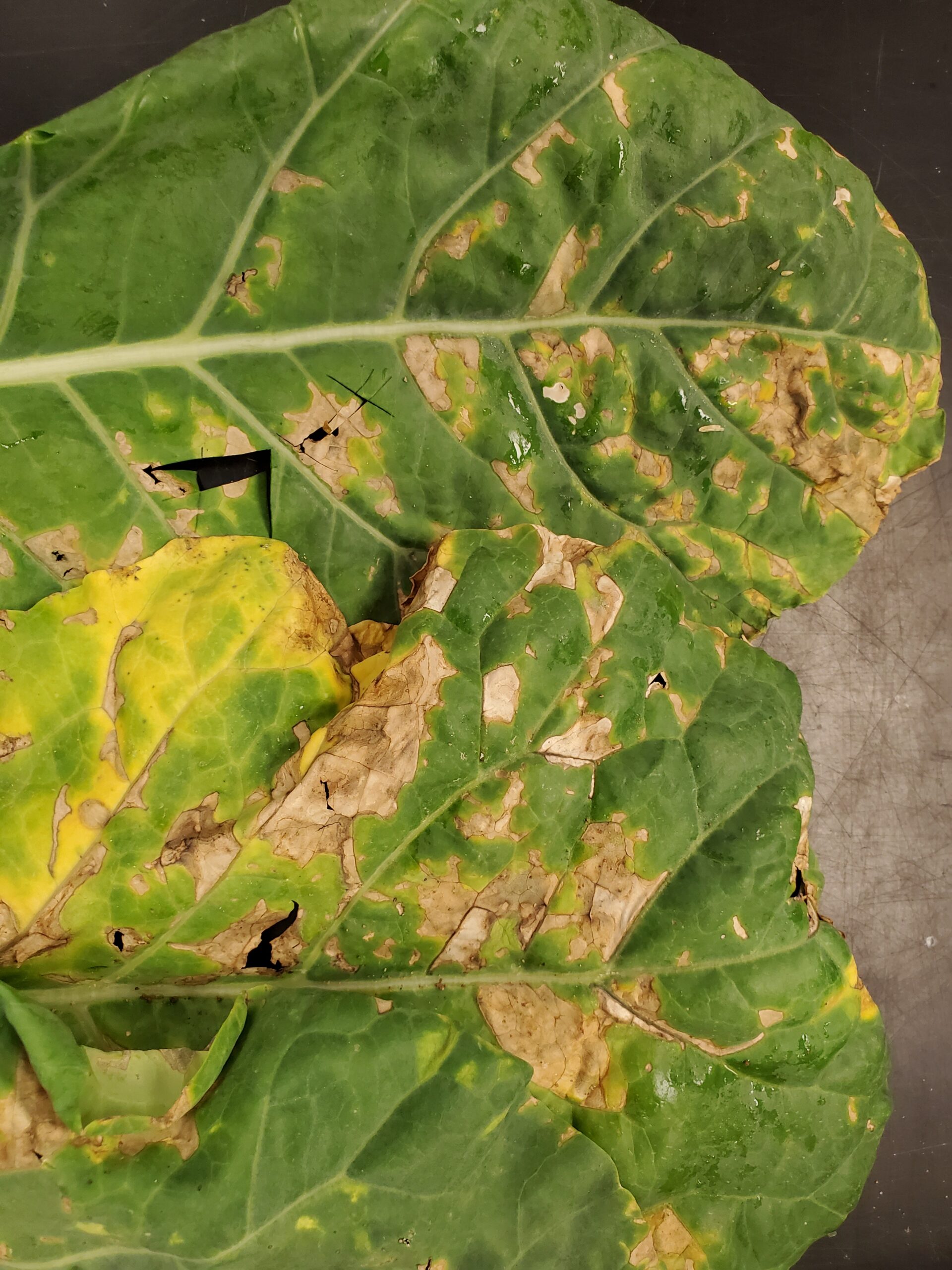
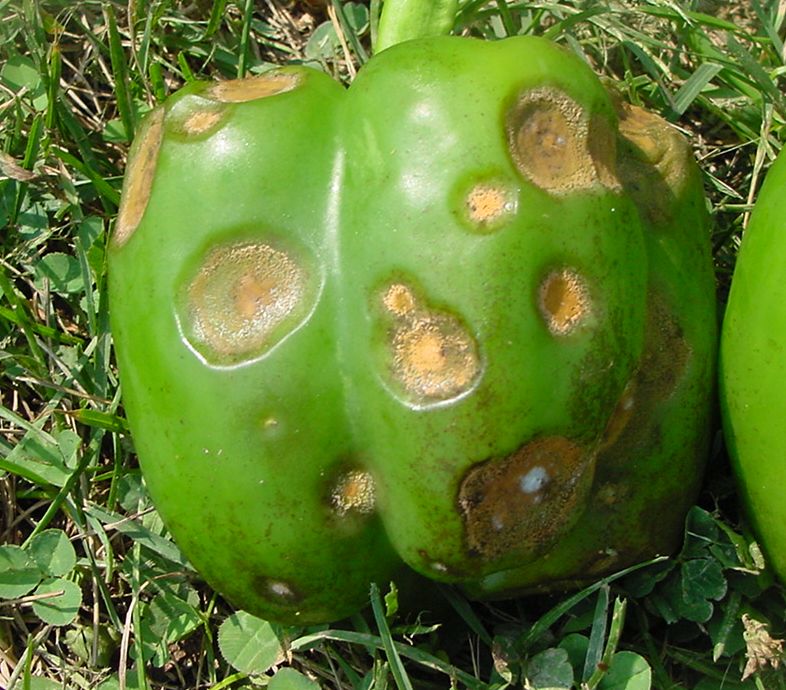
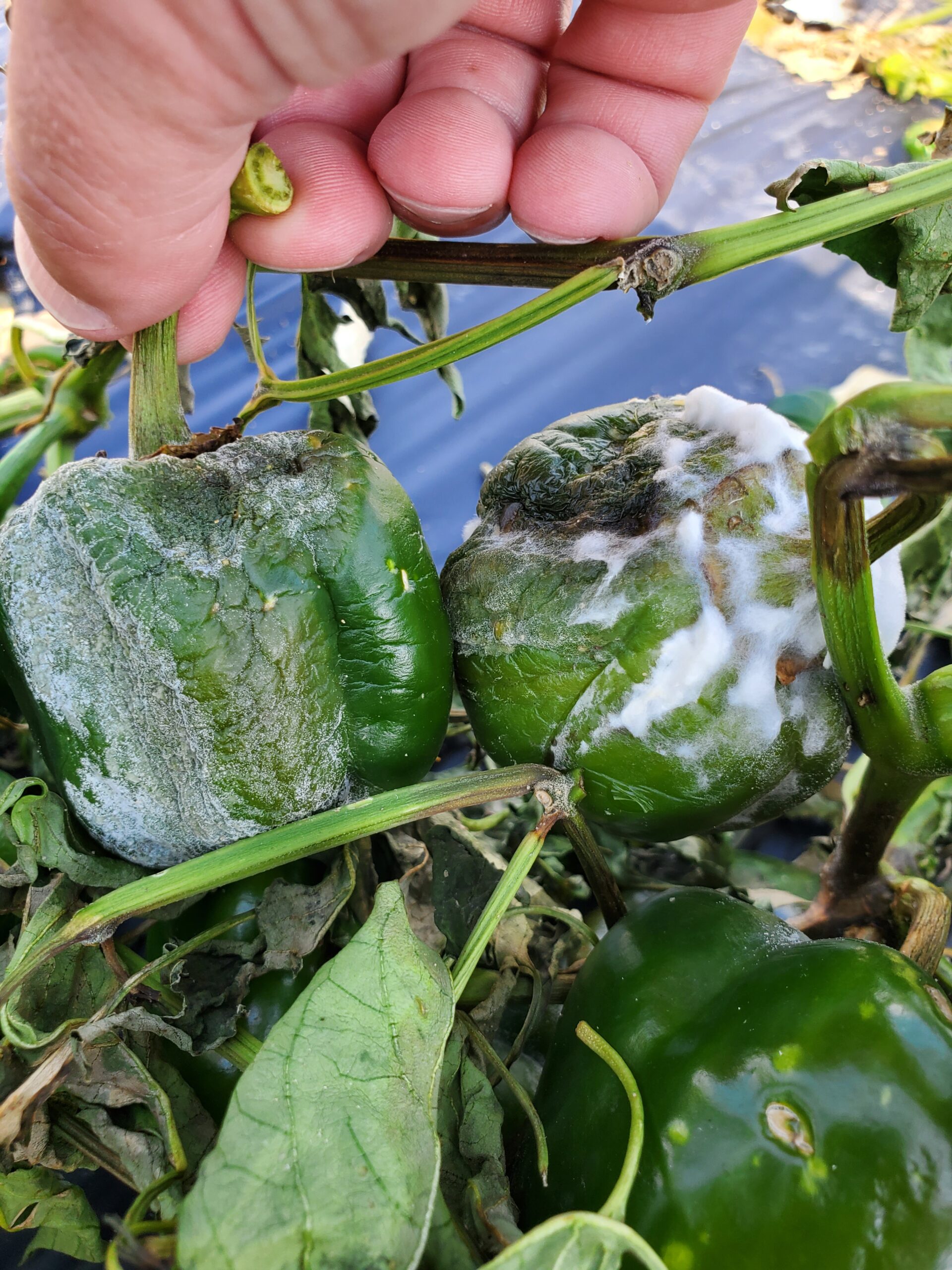
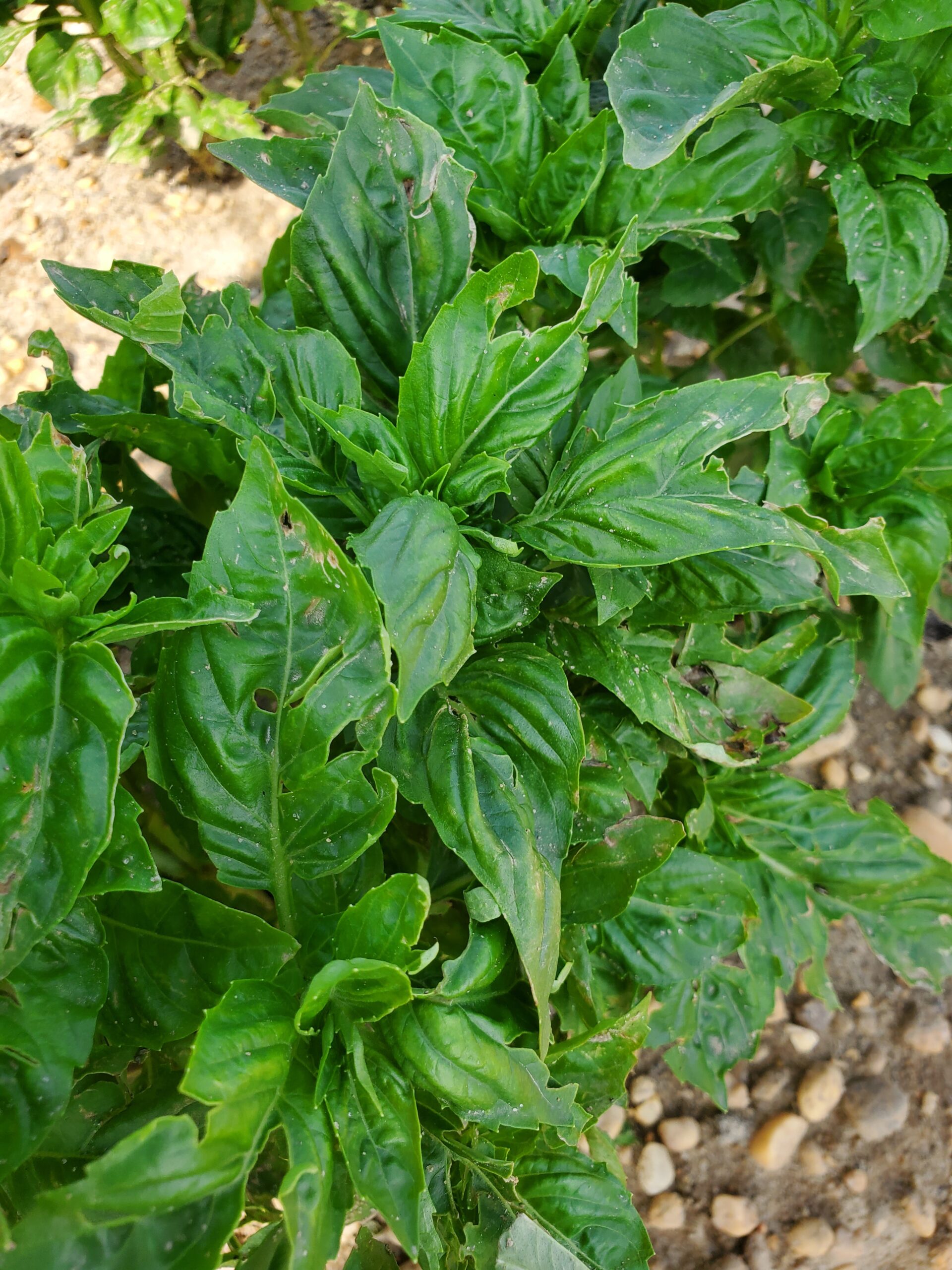
- Cucurbit downy mildew has been reported on cucumber (6/16/21) and cantaloupe (6/22/21) in southern New Jersey. For more information on CDM and its control please click here. To track the progress of CDM please visit the CDM forecasting website.
- No reports of Late blight in the region. To track the progress of Late blight in the US please click here.
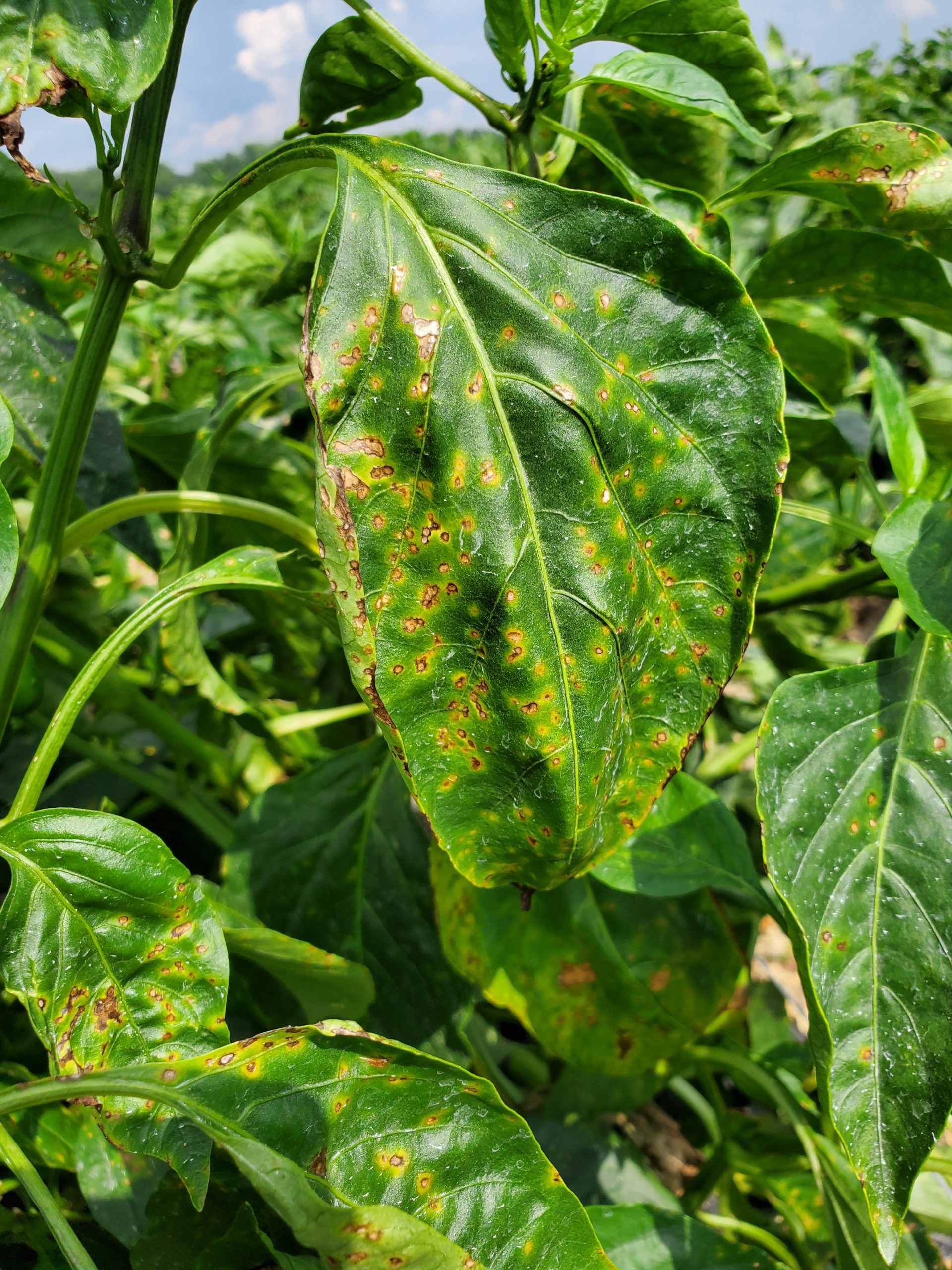
- Bacterial leaf spot (BLS) has been reported on bell and non-bell peppers in southern New Jersey.
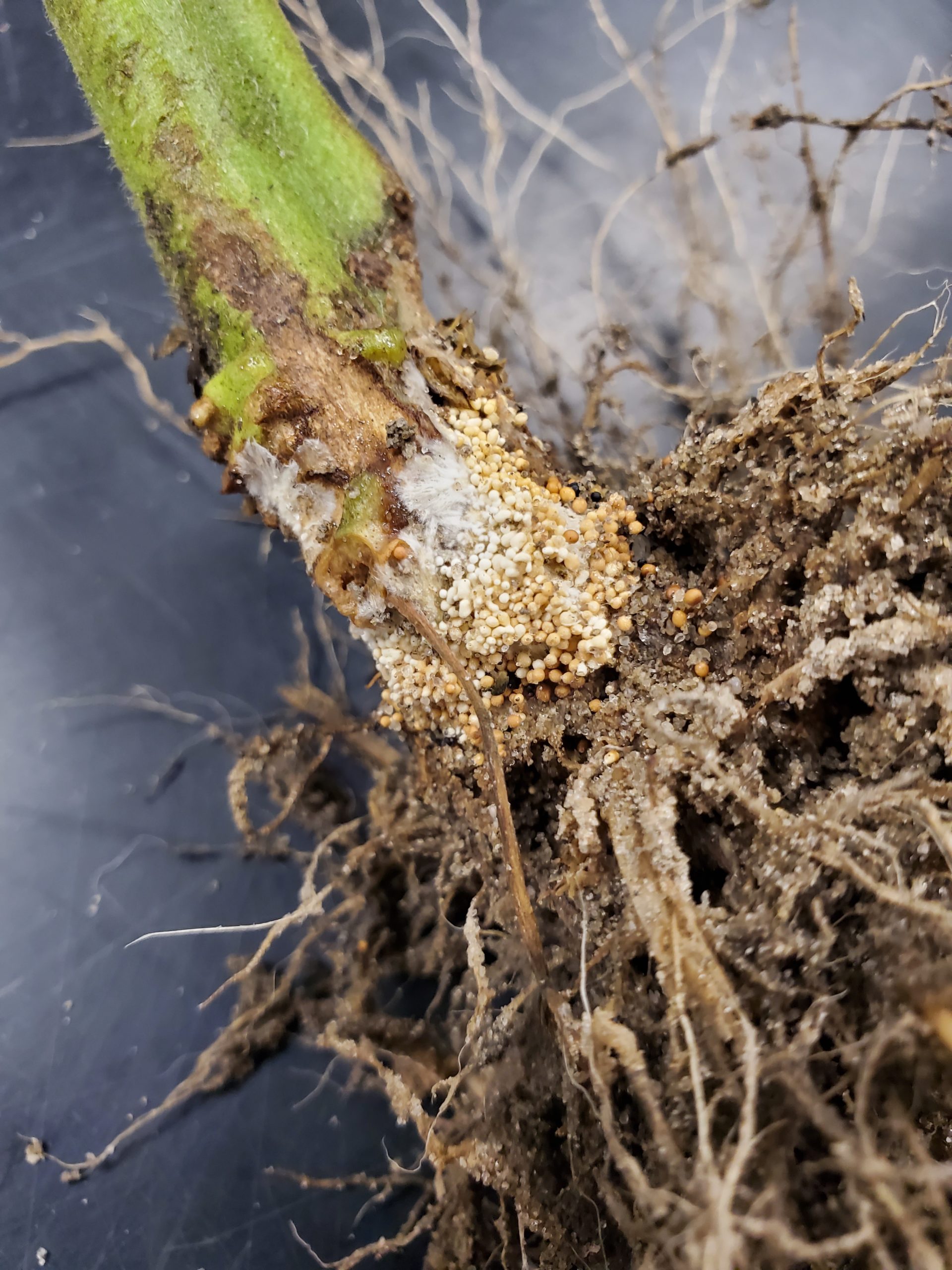
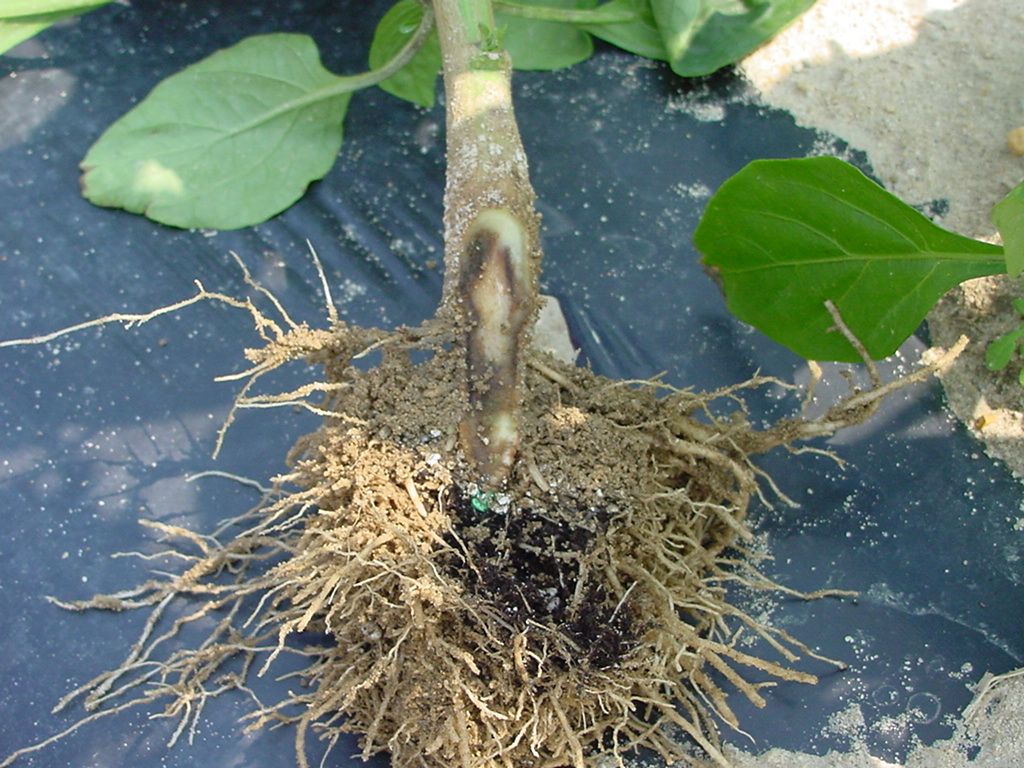
- Southern blight has been reported on tomato in central New Jersey.
- Northern corn leaf blight has been confirmed in sweet corn last week in southern New Jersey.
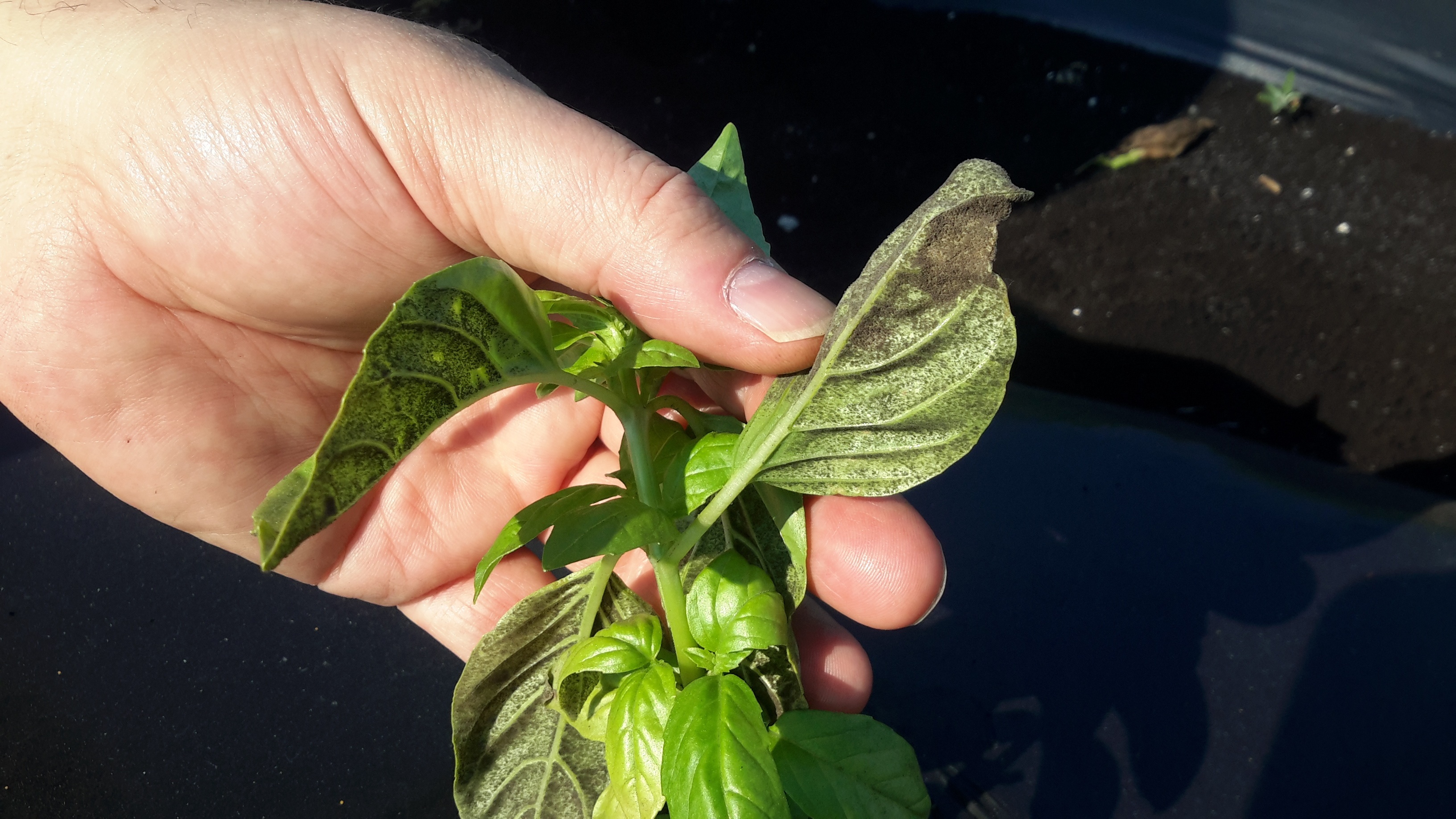
- Basil downy mildew has been reported from multiple locations in southern New Jersey. All basil growers are encouraged to scout their plantings on a daily basis. For more information on controlling BDM please click here. To follow the progress of BDM in the US please click here.
- Rhizoctonia and Pythium root rot have been reported in pepper. For a review of identifying and controlling root rots please click here.
- The 2020/2021 Commercial Vegetable Production Recommendations Guide is available for free online.
- For a quick review on managing fungicide resistance development using tank mixes and fungicide rotations, and information on FRAC group 4, FRAC group 7, and FRAC group 3 and FRAC group 11 fungicides please click on hyperlinks.
Search Results for: basil downy mildew
June 29, 2021 Andy Wyenandt
Vegetable Disease Update – 6/29/21
June 23, 2021 Andy Wyenandt
Vegetable Disease Update – 6/22/21
- Cucurbit downy mildew has been reported on cucumber (6/16/21) and cantaloupe (6/22/21) in southern New Jersey. For more information on CDM and its control please click here. To track the progress of CDM please visit the CDM forecasting website.
- No reports of Late blight in the region. To track the progress of Late blight in the US please click here.
- Bacterial leaf spot (BLS) has been reported on ‘Paladin’ bell pepper in southern New Jersey which has no resistance to BLS.
- Rhizoctonia root rot has been found in sugar beet in New Jersey.
- Northern corn leaf blight has been confirmed in sweet corn in southern New Jersey.
- Basil downy mildew has been reported from multiple locations in southern New Jersey. All basil growers are encouraged to scout their plantings on a daily basis. For more information on controlling BDM please click here. To follow the progress of BDM in the US please click here.
- Rhizoctonia and Pythium root rot have been reported in pepper. For a review of identifying and controlling root rots please click here.
- With the on and off again heavy rains we have been getting, along with warmer weather, all growers should consider applying at-transplanting fungicides for root rot control. Please click here to see these articles.
- The 2020/2021 Commercial Vegetable Production Recommendations Guide is available for free online! With many county offices running reduced hours or being closed this is the easiest way to obtain the newest recommendations.
- For a quick review on managing fungicide resistance development using tank mixes and fungicide rotations, and information on FRAC group 4, FRAC group 7, and FRAC group 3 and FRAC group 11 fungicides please click on hyperlinks.
June 14, 2021 Andy Wyenandt
Vegetable Disease Update – 6/14/21
- Cucurbit downy mildew has been reported as far north as South Carolina on cucumber and cantaloupe in Georgia. To track the progress of CDM please visit the CDM forecasting website.
- No reports of Late blight in the region. To track the progress of Late blight in the US please click here.
- Basil downy mildew has been reported from multiple locations in southern New Jersey. All basil growers are encouraged to scout their plantings on a daily basis. For more information on controlling BDM please click here. To follow the progress of BDM in the US please click here.
- Rhizoctonia and Pythium root rot have been reported in pepper. For a review of identifying and controlling root rots please click here.
- With the on and off again heavy rains we have been getting, along with warmer weather, all growers should consider applying at-transplanting fungicides for root rot control. Please click here to see these articles.
- The 2020/2021 Commercial Vegetable Production Recommendations Guide is available for free online! With many county offices running reduced hours or being closed this is the easiest way to obtain the newest recommendations.
- For a quick review on managing fungicide resistance development using tank mixes and fungicide rotations, and information on FRAC group 4, FRAC group 7, and FRAC group 3 and FRAC group 11 fungicides please click on hyperlinks.
June 6, 2021 Andy Wyenandt
Vegetable Disease Update – 6/6/21
- Cucurbit downy mildew has been reported as far north as South Carolina on cucumber and cantaloupe in Georgia. To track the progress of CDM please visit the CDM forecasting website.
- No reports of Late blight in the region. To track the progress of Late blight in the US please click here.
- Basil downy mildew has been reported in sweet basil from a homeowners garden in southern New Jersey. This is the first report of BDM this growing season. All basil growers are encouraged to scout their plantings on a daily basis. For more information on controlling BDM please click here. To follow the progress of BDM in the US please click here.
- Rhizoctonia and Pythium root rot have been reported in pepper. For a review of identifying and controlling root rots please click here.
- Sand blasting has been reported on a number of leafy green and other crops these past few weeks. Injury from sand blasting predisposes plants to bacterial infections. Remember, all bacteria need a wound or a natural opening, such as a stomata, to gain entry into the plant. Fields with extensive injury need to be scouted regularly, and most likely will need to be sprayed regularly with a copper fungicide or disinfectant-type product to help mitigate infection and spread.
- For a review on how to avoid sunscald injury on transplanted crops please click here.
- With the on and off again heavy rains we have been getting, along with warmer weather, all growers should consider applying at-transplanting fungicides for root rot control. Please click here to see these articles.
- The 2020/2021 Commercial Vegetable Production Recommendations Guide is available for free online! With many county offices running reduced hours or being closed this is the easiest way to obtain the newest recommendations.
- For a quick review on managing fungicide resistance development using tank mixes and fungicide rotations, and information on FRAC group 4, FRAC group 7, and FRAC group 3 and FRAC group 11 fungicides please click on hyperlinks.
September 14, 2020 Andy Wyenandt
Vegetable Disease Update – 9/14/20
- No reports of Late blight in region. Late blight was reported in tomato and potato in western NY with no immediate threat to New Jersey. To track the progress of Late blight in the US please click here.
- Cucurbit downy mildew remains active on cucumber and cantaloupe in New Jersey. There have been no reports of CDM in other cucurbit crops in the region to date. For a review of CDM control please click here. To track the progress of CDM on your phone or PC please visit the CDM forecasting website.
- Cucurbit powdery mildew (CPM) season continues. Growers should continue regular fungicide programs to help maintain foliage through harvest. For a review of CPM control strategies please click here.
- All cucurbit plantings that are no longer in production should be destroyed immediately after the last harvest by mowing or with herbicide to reduce the risk of harboring of CDM, CPM, and virus.
- Alternaria and Cercospora leaf blights have been reported in carrot plantings.
- Bacterial leaf blight has been reported in collards.
- Pepper anthracnose is still active in southern New Jersey and is a serious problem in all bell and non-bell peppers, especially in fields with a history of the disease. For more information on controlling pepper anthracnose please click here.
- Bacterial leaf spot is still extremely active in in bell and non-bell peppers. For more information on BLS and copper resistance please click here.
- Basil downy mildew (BDM) remains active. All growers are encouraged to initiate preventative fungicide programs on DMR and non-DMR basil. For control options and to follow the progress of BDM in the US on your phone or PC please click here.
- With the on and off again heavy rains we have been getting, all growers should consider applying at-transplanting fungicides for root rot control in fall crops. Please click here to see these articles.
- For more information on the control of the diseases mentioned above please see The 2020/2021 Commercial Vegetable Production Recommendations Guide which is available for free online! With many county offices running reduced hours or being closed this is the easiest way to obtain the newest recommendations.
August 12, 2020 Andy Wyenandt
Vegetable Disease Update – 8/12/20
- No reports of Late blight in region. To track the progress of Late blight in the US please click here.
- Cucurbit downy mildew remains active on cucumber in southern and northern New Jersey. There have been no reports of CDM in other cucurbit crops in the region to date. For a review of CDM control please click here. To track the progress of CDM on your phone or PC please visit the CDM forecasting website.
- Cucurbit powdery mildew (CPM) season is here. For a review of CPM control strategies please click here.
- All cucurbit plantings that are no longer in production should be destroyed immediately after the last harvest by mowing or with herbicide to reduce the risk of harboring of CDM, CPM, and virus.
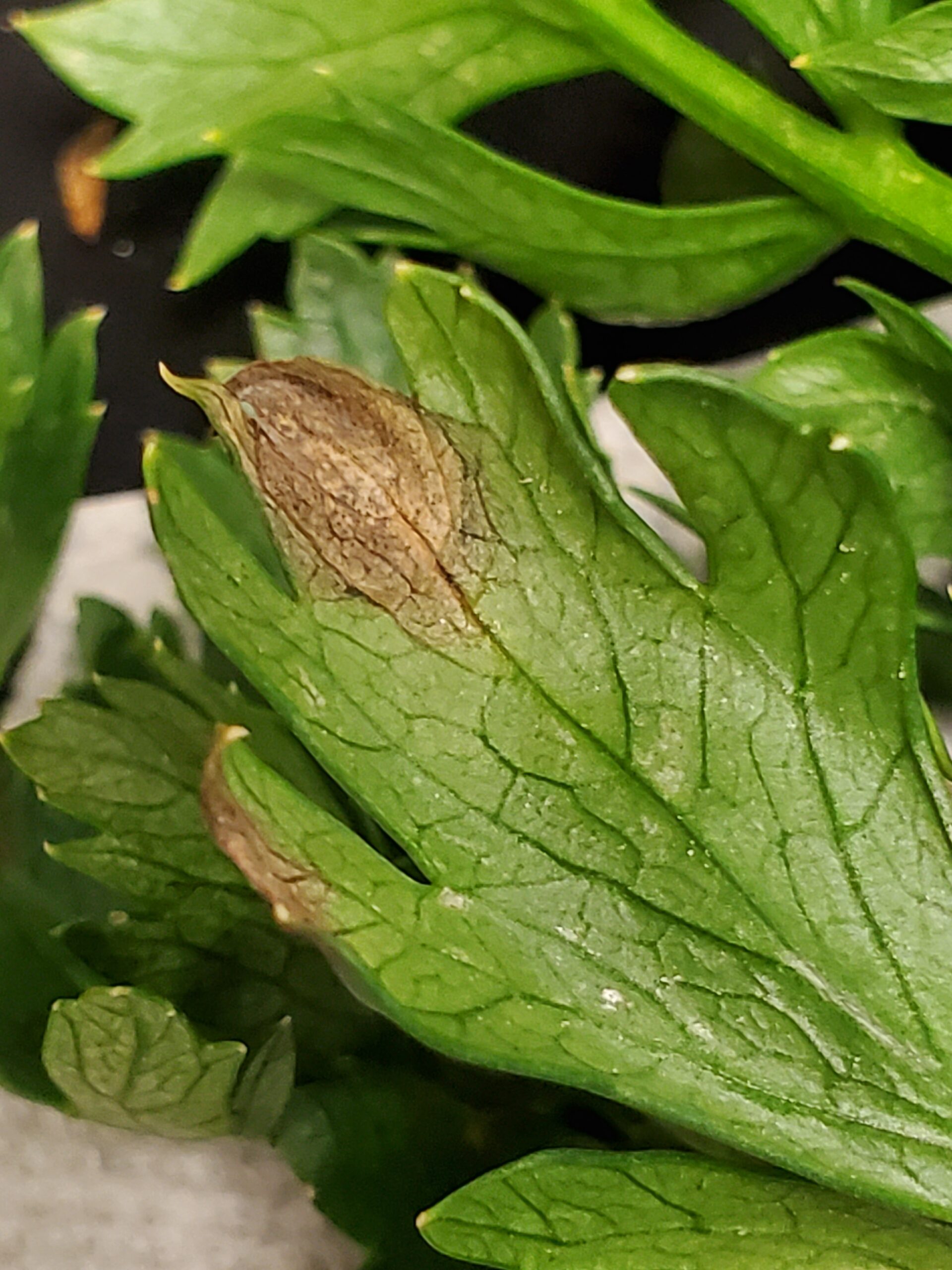
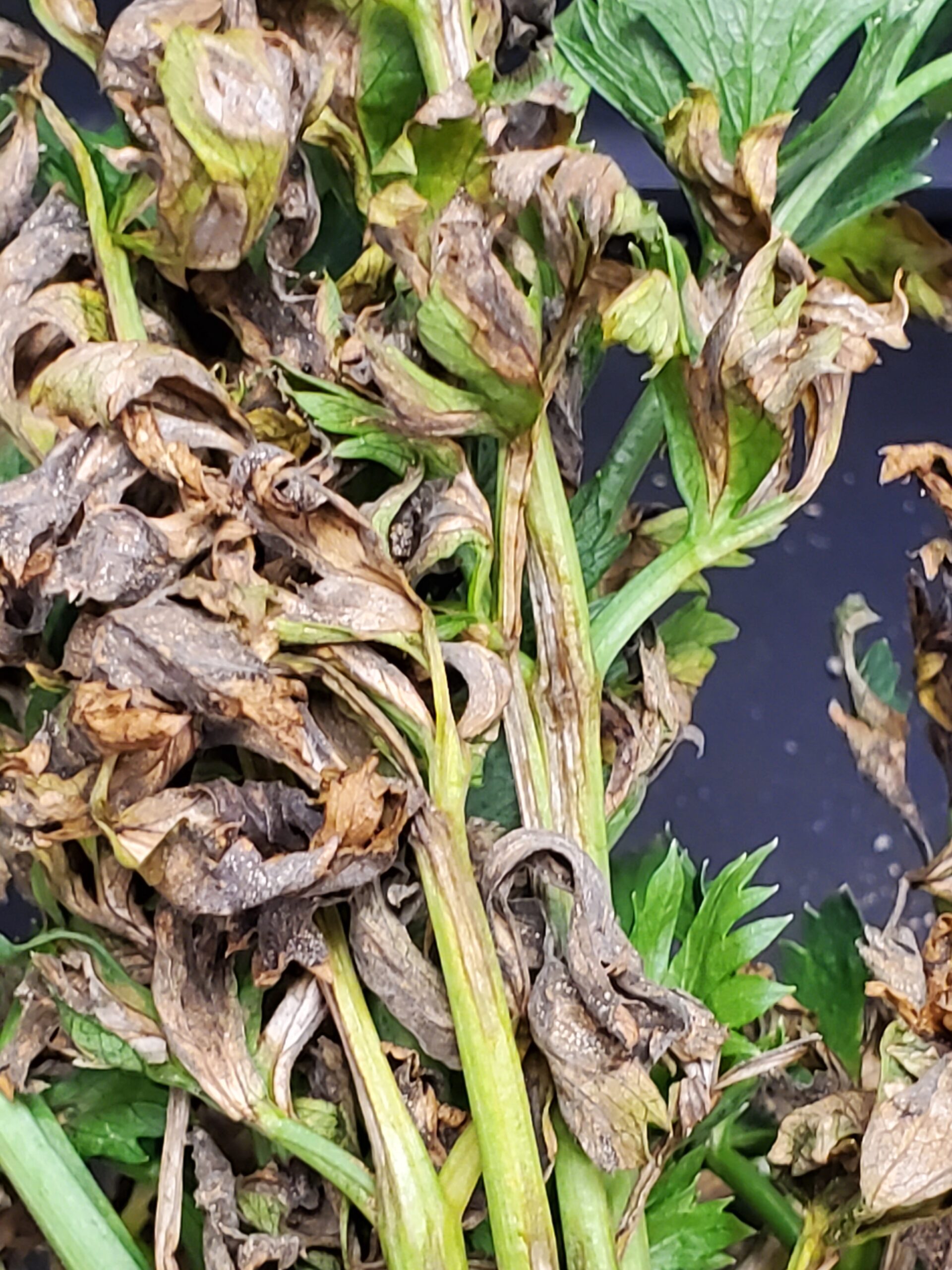
- Septoria leaf spot, also known as Celery late blight (Septoria apiicola) has been reported in celeriac, or turnip-rooted celery. It is a fungal pathogen that can be seed-borne and can also survive in the soil for up to 18 months. For more information from UC-IPM please click here.
- Hail damage has been reported in various crops.
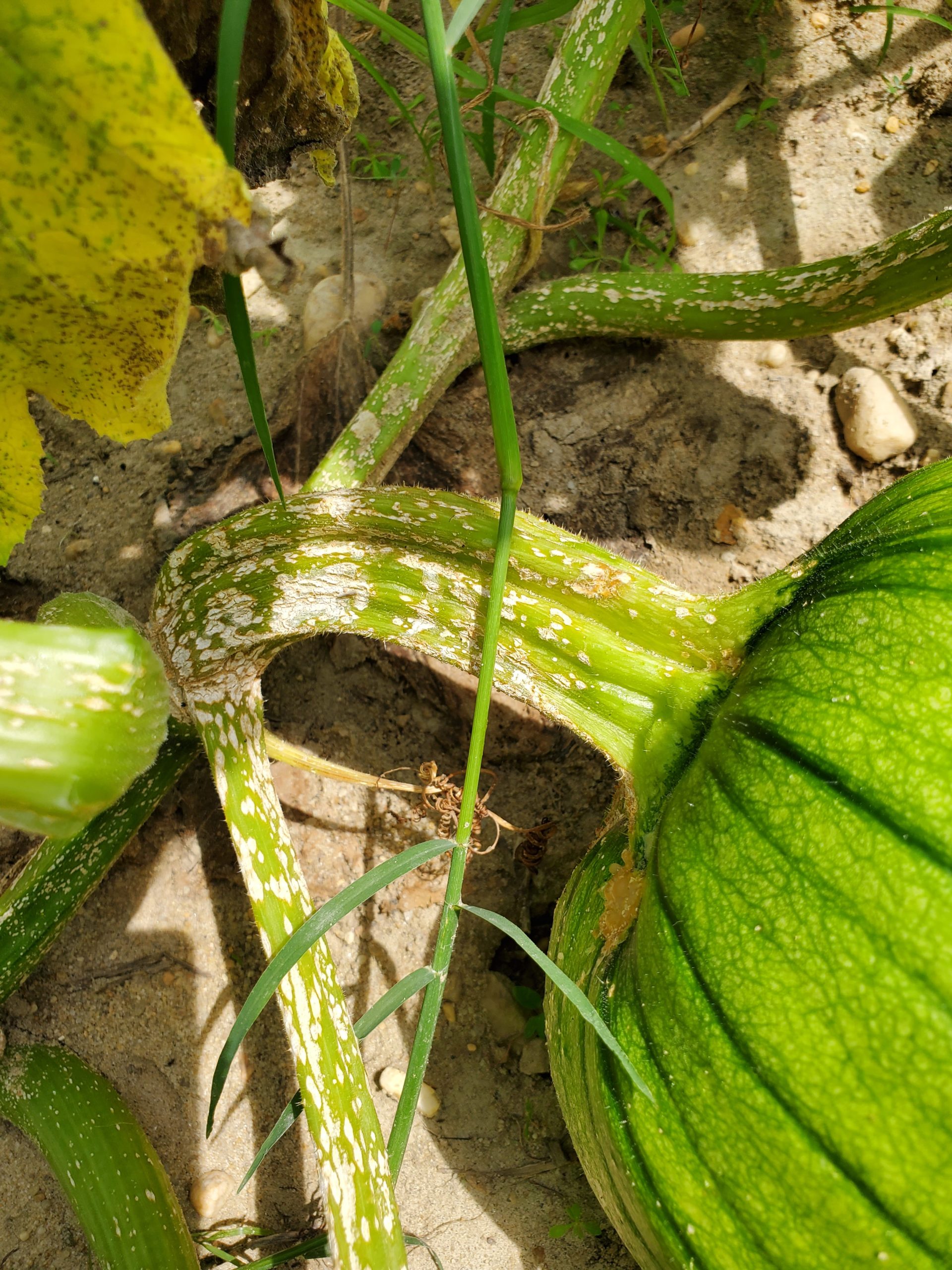
- Bacterial wilt, Plectosporium blight, and Virus have been reported in cucurbit plantings. For more information on Plectosporium please click here and for more information on bacterial wilt please click here.
- Pepper anthracnose has been reported in southern New Jersey and is a serious problem in all bell and non-bell peppers, especially in fields with a history of the disease. For more information on controlling pepper anthracnose please click here.
- Bacterial leaf spot is extremely active in in bell and non-bell peppers. For more information on BLS and copper resistance please click here.
- Phytophthora blight and Pythium cottony leak has been reported in pepper fruit, and Phytophthora blight in cucurbit crops. For more information please click here.
- Basil downy mildew (BDM) remains active. Hail damage has been reported in basil. All growers are encouraged to initiate preventative fungicide programs on DMR and non-DMR basil. For control options and to follow the progress of BDM in the US on your phone or PC please click here.
- With the on and off again heavy rains we have been getting, along with warmer weather, all growers should consider applying at-transplanting fungicides for root rot control. Please click here to see these articles.
- For a quick review on managing fungicide resistance development using tank mixes and fungicide rotations, and information on FRAC group 4, FRAC group 7, and FRAC group 3 and FRAC group 11 fungicides please click on hyperlinks.
- For more information on the control of the diseases mentioned above please see The 2020/2021 Commercial Vegetable Production Recommendations Guide which is available for free online! With many county offices running reduced hours or being closed this is the easiest way to obtain the newest recommendations.