Veg IPM Update: Week Ending 5/28/14

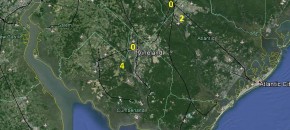
Vegetable IPM Report 5-28-14 – Click to View | Download | Print Maps for the Week -European Corn Borer Population Map -Pepper Weevil Trap Catch Map Topics for the Week Sweet Corn Cole Crops Peppers Tomatoes Pepper Weevil Report BMSB

Continue reading...
What to Do if Hail Hit Your Vineyard

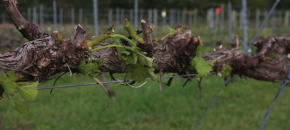
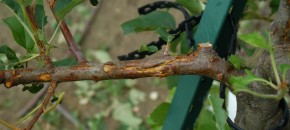
If you were hit by a hailstorm on May 22nd, as we were at RAREC, you are probably making some hard decisions on what to do in the vineyard. Removal of dead and compromised leaves and flower clusters will help reduce development of fungal pathogens. Stem wounding will be a big concern especially for vineyards […]

Continue reading...

Major Hail Storm Hits RAREC Research Farm

A major rain and hail storm occurred at the Rutgers Agricultural Research and Extension Center, Bridgeton during last Thursday evening, 22May. Hail stones the size of marbles fell for about 15 minutes.

Continue reading...

Scout Corn for Black Cutworm Damage

I was out late last week scouting some corn fields and checking some black cutworm moth monitoring traps. Fortunately, the number of black cutworm moths in the traps have been rather low. I did notice some very minimal black cutworm damage in one field. This does not mean growers should let their guard down. Pennsylvania […]

Continue reading...

Potato Disease Forecasting Report 5-27-14

Potato Disease Forecasting Report 5-27-14 – Click to Download We will be tracking DSVs for Late blight development and calculating P-days for initiating the first early blight fungicide application. The first late blight fungicide application is recommended once 18 DSVs accumulate from green row. Green row typically occurs around the first week in May in southern […]

Continue reading...

Tomato Disease Forecasting Report 5-27-14

5-27-14 Tomato Report – Click to Download Disease severity values (DSVs) for early blight, septoria leaf spot, and tomato anthracnose development are determined daily based on leaf wetness (due to rainfall, dew) and air temperature. On a daily basis DSV values can range from 0 to 4 where 0 = no chance for disease development […]

Continue reading...
