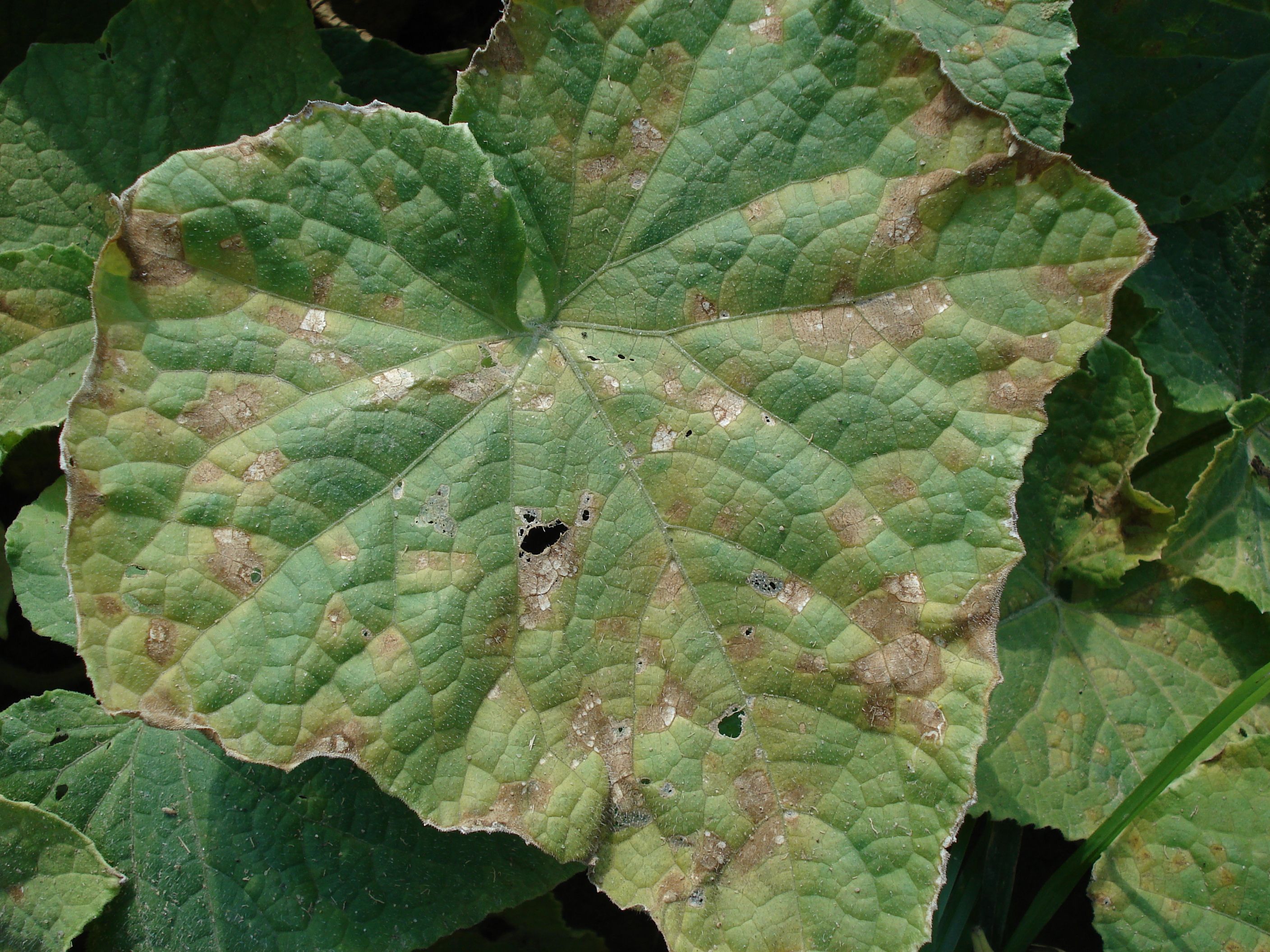
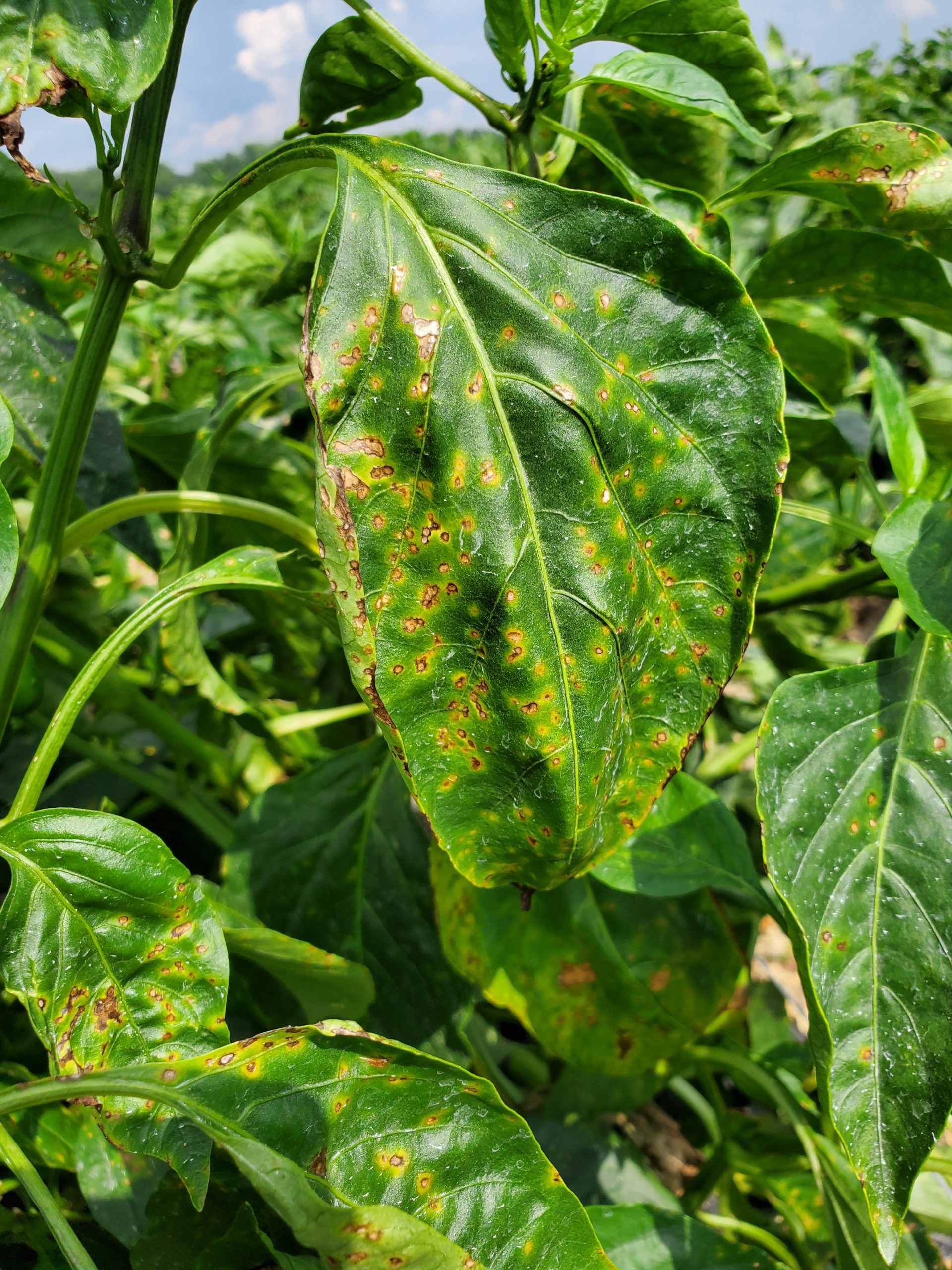
- Phytophthora blight has been reported in pepper and cucurbit crops. For more information on Phytophthora blight control please click here.
- Pepper anthracnose has been reported in southern New Jersey. For more information on preparing for pepper anthracnose please click here.
- Cucurbit downy mildew has been reported on cucumber (6/16/21) and cantaloupe (6/22/21) in southern New Jersey. There have been no reports of CDM on other cucurbit hosts in the region to date. For more information on CDM and its control please click here. To track the progress of CDM please visit the CDM forecasting website.
- No reports of Late blight in the region. To track the progress of Late blight in the US please click here.
- Cucurbit powdery mildew has been reported on summer squash, butternut, and spaghetti squash as we are now headed into mid-summer. Please scout fields on a regular basis and initiate a preventative fungicide program if you haven’t already done so. For more information on CPM control please click here.
- Bacterial leaf spot (BLS) continues to be reported on bell and non-bell peppers in southern New Jersey. For more information on our continuing survey for BLS and copper resistance detection in tomato and pepper please click here.
- For an update on Dickeya dianthicola research in potato please click here.
- The 2020/2021 Commercial Vegetable Production Recommendations Guide is available for free online.
- For a quick review on managing fungicide resistance development using tank mixes and fungicide rotations, and information on FRAC group 4, FRAC group 7, and FRAC group 3 and FRAC group 11 fungicides please click on hyperlinks.
Vegetable Crops Edition
Seasonal updates and alerts on insects, diseases, and weeds impacting vegetable crops. New Jersey Commercial Vegetable Production Recommendations updates between annual publication issues are included.
Subscriptions are available via EMAIL and RSS.
Quick Links:
 NJ Commercial Vegetable Production Recommendations
Rutgers Weather Forecasting - Meteorological Information important to commercial agriculture.
July 18, 2021 Andy Wyenandt
Vegetable Disease Update – 7/19/21
July 16, 2021 Rick VanVranken
From Straw-Figures to Lasers: What’s the Best Method to Scare Birds from Sweet Corn?

Image by Jacques Gaimard from Pixabay
by Julie Kikkert, Cornell Cooperative Extension, Cornell Vegetable Program
(Reprinted with permission from Cornell VegEdge Newsletter Vol. 17 (14), July 14, 2021, CCE Cornell Vegetable Program, Canandaigua, NY.)
Scaring birds out of sweet corn and other crops is not new, based on the centuries-old placement of scarecrows dressed in old clothes (oftentimes filled with straw) in fields. However, there are many newer methods from chemical control to loud noises, to laser beams. There are pros and cons to each method and varied costs as well. [Read more…]
July 14, 2021 Kris Holmstrom and Joe Ingerson-Mahar
Vegetable IPM Update 07/14/21
Sweet Corn
European corn borer (ECB) moth catches continue to be extremely low around the state. We are in between adult generations at this time. ECB population maps will resume if second flight catches rise to high enough numbers.
The highest nightly trap catches of ECB for the week ending 07/14/21 are as follows:
| Crosswicks 1 |
| Elm 1 |
July 14, 2021 Rick VanVranken
Ethnic & Specialty Vegetable Growers Invited to Visit Rutgers Amaranth “Tropical Spinach” Field Trials
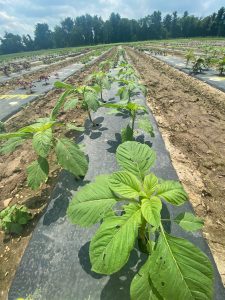 New Jersey vegetable growers are invited to join Dr. Jim Simon, New Use Crop Specialist, and PhD Student Tori Rosen for a twilight visit to their Amaranth “Tropical Spinach” field trials. Participants will help select amaranth varieties of interest for use as leafy greens at the Rutgers Horticultural Farm III, 67 Ryders Land, East Brunswick, NJ on Thursday, July 22, 2021 and Friday, July 23, 2021, 5:30-7:30pm both days. Please RSVP for Thurs or Fri through this link:
https://forms.gle/RUU3wgzuGgvAnJCH8
July 14, 2021 Andy Wyenandt
Maine still has no idea where Dickeya dianthicola originated from
In a recent research article just published in Plant Disease, potato researchers in Maine and elsewhere examined 16 isolates associated with the Dickeya dianthicola outbreak in potato which began on the East Coast in 2015. This is a follow-up to an article published late last year looking into the origins of the outbreak. For more information on what was found in that study please click here. In their most recent study titled ‘Pangenomic analysis of Dickeya dianthicola strains related to the outbreak of Blackleg and soft rot of potato in the USA‘ eight distinct clades were distinguished based on phylogenomic analysis of 32 isolates with three clades (as previously reported) causing the outbreak on the East Coast in 2015, with the majority of isolates belonging to Clade I. Clade I strains were determined to be unique and homogeneous and the authors suggested they were a recent incursion from alternative hosts or environmental sources. The authors state the genomes of D. dianthicola isolates in Clade I possessed nearly identical genomics to that of isolate ME23 (previously identified in ME in 2015), and that each outbreak of the disease is typically caused by one predominant genotype due in part to contamination and spread of that genotype in one or a few widely used potato sources. The authors state that in the US, seed potatoes from a small number of sources in the northeast quarter of the US appeared to be important during the early stages of the outbreak, although, they (the authors) do not have enough evidence to explain how Clade I emerged and caused the outbreak. The authors suggested that while Clade I was predominant in causing the outbreak, other clades should not be ignored since these are present in the environment and additional outbreaks could occur since D. dianthicola has a wide host range and, clades currently not detected in the US could enter through trade in ornamental plants or seed.
July 12, 2021 Andy Wyenandt
Vegetable Disease Update – 7/12/21
- Pepper anthracnose has been reported in southern New Jersey. For more information on preparing for pepper anthracnose please click here.
- Cucurbit downy mildew has been reported on cucumber (6/16/21) and cantaloupe (6/22/21) in southern New Jersey. There have been no reports of CDM on other cucurbit hosts in the region to date. For more information on CDM and its control please click here. To track the progress of CDM please visit the CDM forecasting website.
- No reports of Late blight in the region. To track the progress of Late blight in the US please click here.
- Cucurbit powdery mildew has been reported on summer squash, butternut, and spaghetti squash as we are now headed into mid-summer. Please scout fields on a regular basis and initiate a preventative fungicide program if you haven’t already done so. For more information on CPM control please click here.
- Bacterial leaf spot (BLS) continues to be reported on bell and non-bell peppers in southern New Jersey. Rainfall is expected later in the week making conditions ideal for the spread of BLS. For more information on our continuing survey for BLS and copper resistance detection in tomato and pepper please click here.
- The 2020/2021 Commercial Vegetable Production Recommendations Guide is available for free online.
- For a quick review on managing fungicide resistance development using tank mixes and fungicide rotations, and information on FRAC group 4, FRAC group 7, and FRAC group 3 and FRAC group 11 fungicides please click on hyperlinks.