Fruit Crops Edition - Cranberry Section

Seasonal updates on diseases, insects, weeds impacting small fruit (blueberry, cranberry, and wine grape). Fruit Pest Alerts are also available via this category feed.
 
Subscription is through the general Fruit feed available via EMAIL and RSS.

Cranberry Toad Bug: A New Cranberry Pest

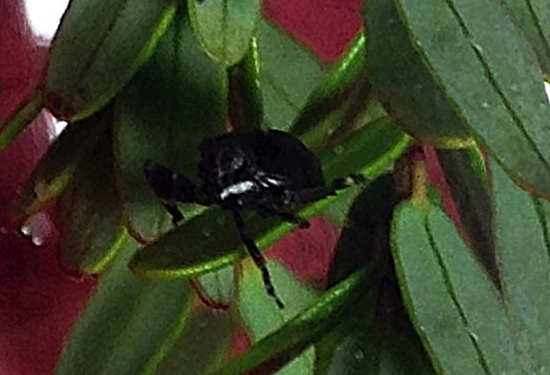
Last year we observed damage in cranberry bogs by the cranberry toad bug, Phylloscelis atra, in New Jersey. Although we had seen toad bugs in cranberry bogs in the past we had never seen them causing damage to the vines and fruit. Toad bugs are hemipteran insects, similar to blunt-nosed leafhoppers, but belong to the Family Fulgoridae (planthoppers) as opposed to leafhoppers, which belong to the family Cicadellidae.
Life Cycle

Toad bugs feed only on cranberries. This insect has a single generation per year. It overwinters as eggs. The nymphs appear by the end of June through August, and the adults from August through October. Eggs are laid from September through October.

Toad Bug Life Cycle

Toad Bug Life Cycle


[Read more…]

Root-feeding Pests of Cranberries

If your beds have damage caused by root-feeding insects, you should consider treatment with Imidacloprid (e.g. Admire Pro, Alias 4F, Alias 2F) immediately after bees are removed.  Occurrence of root-feeding insects will manifest by the presence of dead patches.  Pull dead vines and search through the root zone and soil for grubs and worms.  Admire Pro (imidacloprid) is labeled for the control of cranberry rootworm, white grubs (Phyllophaga spp.), and other scarabs in cranberries. [Read more…]

Beating the Bugs in the Bogs – Blunt-nosed Leafhopper

Blunt-nosed leafhopper is an important concern for cranberry, not because the insect causes that much feeding damage, but because it can transmit cranberry false blossom disease. False blossom is characterized by a malformation of the flowers. The flower pedicels become erect and there is no production of fruit, with devastating effects for cranberry yield. Blunt-nosed leafhopper nymphs start to occur in the bogs by the end of May, and adults reach their peak numbers in July. Relatively little is known about the way the insects transmit false blossom disease, and at the Cranberry & Blueberry Research Center, we soon hope to change that. [Read more…]

Post-bloom Insect Pest Control Recommendations

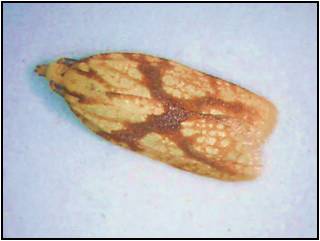
Sparganothis fruitworm adult (photo by Elvira de Lange)

Sparganothis fruitworm adult (photo by Elvira de Lange)

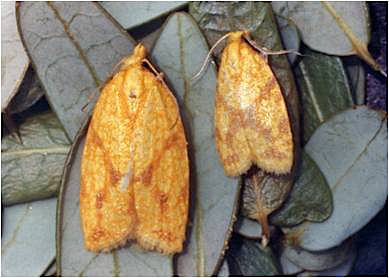
As we approach the end of bloom, growers should consider the need for any post-bloom applications.  The main pest targets for these applications are Sparganothis fruitworm and spotted fireworm.

Sparganothis fruitworm (SPARG) – If your farm has high pheromone trap counts, you should consider managing this pest as soon as bees are removed. The timing for this 1st post-pollination spray is at 2 weeks after peak pheromone trap catches, which usually coincides with the second week in July. [Read more…]

Beating the Bugs in the Bogs – Gypsy Moth

Gypsy moth is an occasional pest of cranberries. Gypsy moth caterpillars will readily eat the plants in outbreak years, when they are abundant in the NJ Pinelands, like in 2007. They prefer to feed on oaks, but when they encounter cranberry plants, their presence can have a devastating effect. Fortunately, since 2007, the caterpillars have rarely been seen in the NJ Pinelands. However, this doesn’t mean we shouldn’t be prepared for their eventual return. Also, studying cranberry resistance against gypsy moth will teach us about the resistance of the plants against other important pests as well.

Gypsy moth larva

Gypsy Moth Larva


[Read more…]

Cranberry Insect IPM During Bloom

We are in the middle of bloom. If insects have been effectively managed prior to bloom, we recommend no sprays at this time. A reminder: when bees are present your only choices of insecticides are the Insect Growth Regulators –IGR- (e.g. Confirm and Intrepid) or Bt products (e.g. DiPel). [Read more…]