Peach
Oriental Fruit Moth (OFM): The third brood should be treated based on the timings below. Overall pest pressure is light with some exceptions in northern counties.
[Read more…]
Rutgers Cooperative Extension
Seasonal updates on diseases, insects, weeds impacting tree fruit and small fruit (blueberry, cranberry, and wine grape). Fruit Pest Alerts are also available via this category feed.
Subscriptions are available via EMAIL and RSS.
Oriental Fruit Moth (OFM): The third brood should be treated based on the timings below. Overall pest pressure is light with some exceptions in northern counties.
[Read more…]
Recently the cranberry toad bug, Phylloscelis atra (Figure 1), has become a problematic pest of cranberries in New Jersey. Toad bugs are hemipteran insects, similar to blunt-nosed leafhoppers, but belong to the Family Dictyopharidae (planthoppers) as opposed to leafhoppers, which belong to the family Cicadellidae.
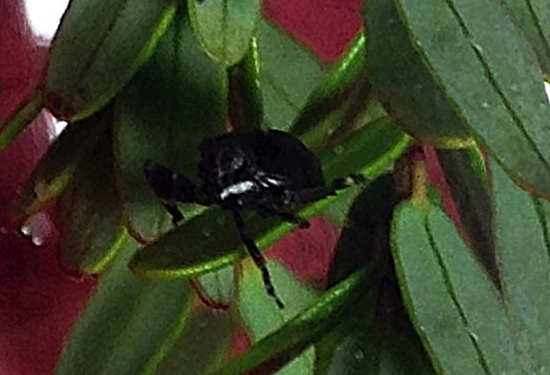
Fig 1. Cranberry Toad Bug
Oriental Fruit Moth (OFM): While we are still between flights, trap counts indicate a slight pick up of moth activity for the start of the 3rd flight. The first insecticides will be due by the middle of the month in southern counties and about a week later in northern counties. Time your sprays according to the following table:
[Read more…]
As we approach the end of bloom, growers should consider the need for any post-bloom applications. The main pest targets for these applications are mainly Sparganothis fruitworm and spotted fireworm. [Read more…]
Oriental Fruit Moth (OFM): We are between 2nd and 3rd generation broods in southern counties, but still treating emerging larvae in northern counties. Growers who have trap counts that are less than 6 moths per trap can skip insecticides that are intended for OFM. If trap counts are higher, then time your sprays according to the following table:
[Read more…]
Grape berry moth is one of the key direct pests of grapes in NJ. Females lay their eggs on the berry and the larvae makes a small entry hole and then feeds inside the berry. Webbing may be observed as the larvae move between berries.
A threshold of 10% webbing has been used in NY grapes.The MSU model predicted degree-day timing for Intrepid or Altacor applications against grape berry moth to be last Thursday in South Jersey (Bridgeton).
Due to the storm and the rains last week, applications may have reduced efficacy or were not able to be applied. If you have a history of grape berry moth pressure, today would be the tail end of timing for conventional materials. These include pyrethroids, like Bifenture or Danitol, or Imidan. Please read the label carefully as Imidan has a long re-entry interval. Also as a reminder, phytoxocitiy has been observed with using “EC” formulations of insecticides, such as Danitol, with Captan.

