Fruit Crops Edition - Cranberry Section

Seasonal updates on diseases, insects, weeds impacting small fruit (blueberry, cranberry, and wine grape). Fruit Pest Alerts are also available via this category feed.
 
Subscription is through the general Fruit feed available via EMAIL and RSS.

Post-bloom Insect Pest Control Recommendations

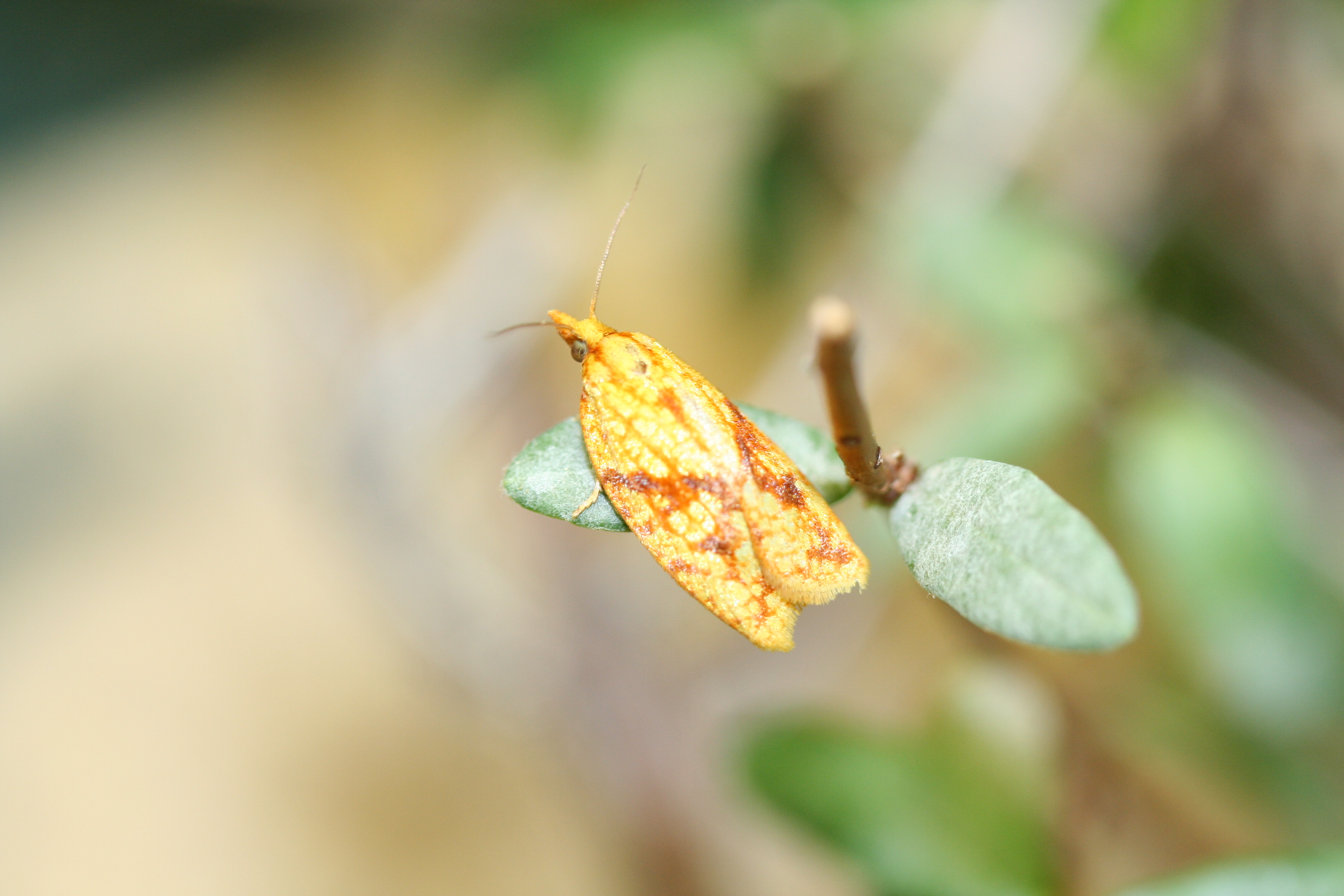
Sparganothis fruitworm adult (photo by Elvira de Lange)

Sparganothis fruitworm adult (photo by Elvira de Lange)

As we approach the end of bloom, growers should consider the need for any post-bloom applications.  The main pest targets for these applications are Sparganothis fruitworm and spotted fireworm.

Sparganothis fruitworm (SPARG) – If your farm has high pheromone trap counts, you should consider managing this pest as soon as bees are removed. The timing for this 1st post-pollination spray is at 2 weeks after peak pheromone trap catches, which usually coincides with the second week in July. [Read more…]

Beating the Bugs in the Bogs – Gypsy Moth

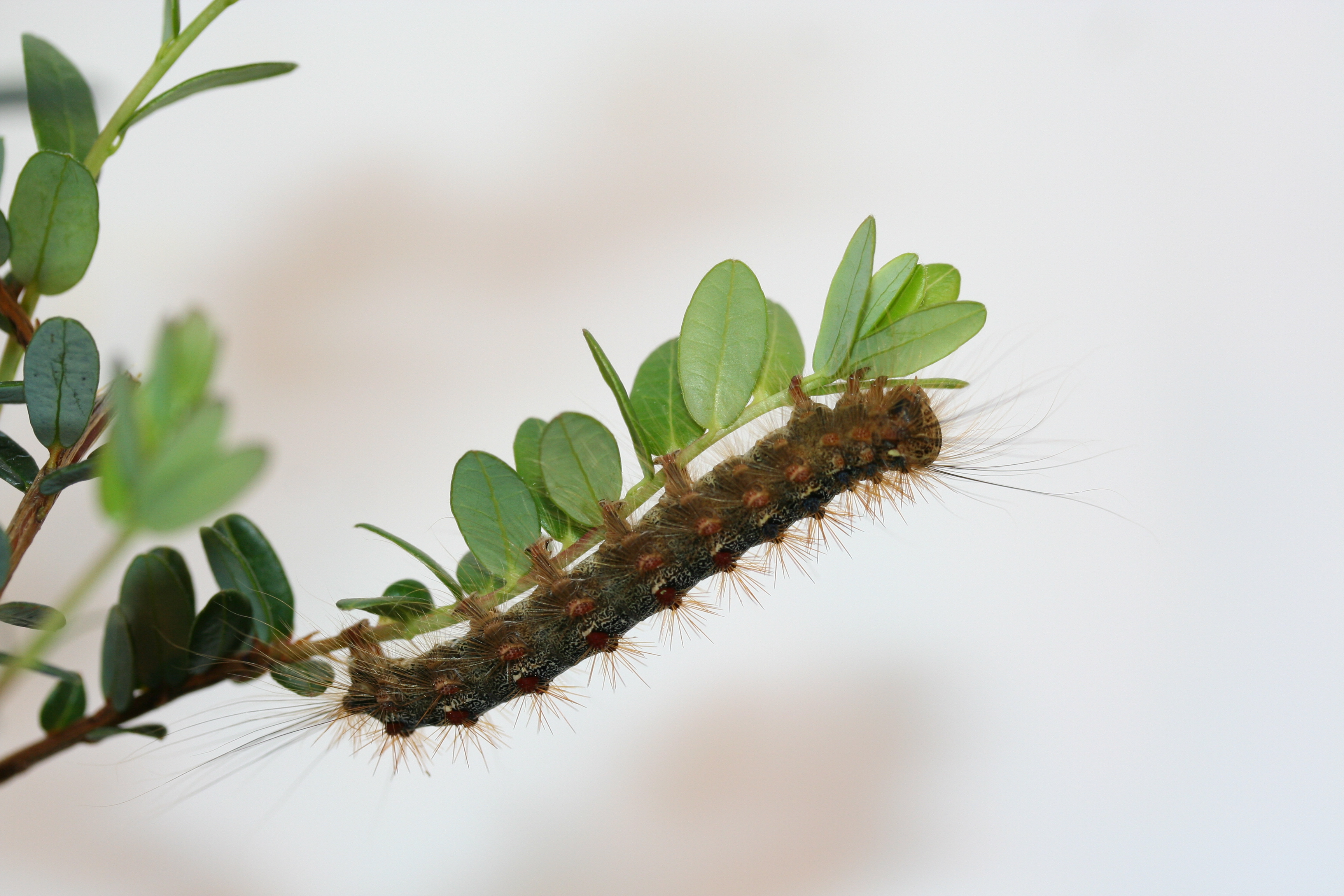
Gypsy moth is an occasional pest of cranberries. Gypsy moth caterpillars will readily eat the plants in outbreak years, when they are abundant in the NJ Pinelands, like in 2007. They prefer to feed on oaks, but when they encounter cranberry plants, their presence can have a devastating effect. Fortunately, since 2007, the caterpillars have rarely been seen in the NJ Pinelands. However, this doesn’t mean we shouldn’t be prepared for their eventual return. Also, studying cranberry resistance against gypsy moth will teach us about the resistance of the plants against other important pests as well.

Gypsy moth larva

Gypsy Moth Larva


[Read more…]

Cranberry Insect IPM During Bloom

We are in the middle of bloom. If insects have been effectively managed prior to bloom, we recommend no sprays at this time. A reminder: when bees are present your only choices of insecticides are the Insect Growth Regulators –IGR- (e.g. Confirm and Intrepid) or Bt products (e.g. DiPel). [Read more…]

Cranberry Insect Upate

The season has started very slow due to the cold weather.  Insect activity is just starting to increase.  Thus, growers need to intensify their scouting efforts.  The following insect pests bear special mention for early-season scouting:

Blackheaded fireworm – Blackheaded fireworm eggs overwinter on the bed and usually hatch by around mid-May. It is important to catch the first generation, if possible, because the second generation occurs during bloom and is typically much more destructive. Blackheaded fireworm larvae can be detected by sweep net sampling and it is good idea to look along the edges of bed where vines first begin to grow.

Remember: blackheaded fireworm is much easier to control if detected during the early part of the season. [Read more…]

Pesticide Worker Protection Inspection Warning

The New Jersey Department of Environmental Protection Pesticide Control Program (NJDEP) has announced that federal agricultural Worker Protection Standard (WPS) compliance farm inspections will be conducted mid-May through July. Be a prepared agricultural employer. Take the necessary actions this week to make sure your farm is in compliance to avoid citations.

Two outstanding farm employer resources on agricultural WPS compliance are:
1. EPA Ag Employer Quick Reference Guide (2005)
2. EPA website How to Comply with the Worker Protection Standard for Agricultural Pesticides: What Employers Need to Know

These are inspections by the US EPA, although NJDEP inspectors may accompany them. Approximately 20 to 30 inspections are slated to be conducted any time from May through July.


Quinstar 4L for Weed Control in Cranberries

Quinstar 4L has a section 3 label for use in cranberries, and is useful for the control of dodder, yellow loosestrife and many other weeds in cranberries in New Jersey.
[Read more…]