There are several actions that growers can implement in their farms to help protect bees against exposure to pesticides. Here I list a few:
- Use insecticides only when needed. Cranberries growers are very proactive and practice integrated pest management (IPM). Using insecticides only when pest populations exceed an economic threshold will help reduce exposure of bees to these chemicals.
- Always consult with beekeepers. Growers need to communicate with their beekeepers on any insecticides being use during bloom.
- Avoid tank mixes. In particular, do not mix insecticides with fungicides. At this moment, the interactive effects of insecticides and fungicides on bees are largely unknown, particularly those used in cranberries. Future research is much needed. But, in the meantime, growers are encouraged to avoid mixing pesticides.
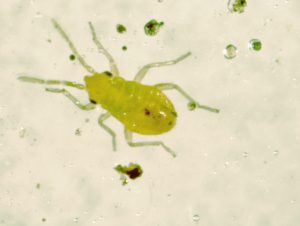
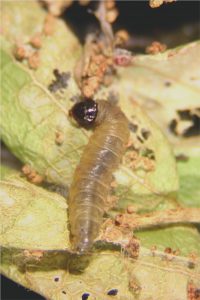
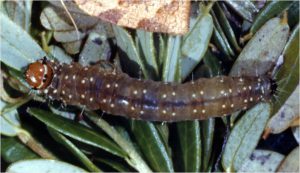
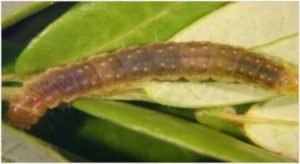
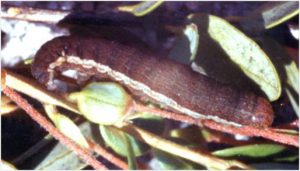
- Intrepid (methoxyfenozide) is an insecticide recommended for use during bloom in cranberries against lepidopteran pests. This insecticide, an insect growth regulator (IGR), has very low toxicity on bees and, as far as I know, there is no conclusive data showing the opposite. As indicated above, Intrepid should be used only if needed, i.e., applied only to areas that exceed an economic threshold.
- It is worth noting that not all IGRs are equal and some IGRs like Intrepid have not been linked to any adverse effects on bees.


The Risk-Based Preventive Controls for Human Food final rule was published in the Federal Registry September 17, 2015. This is the first of two which may directly impact fruit and vegetable growers. To review the complete rule go to
Just as we’ve finished National Preparedness Month, Governor Christie has declared a state of emergency. In case Hurricane Joaquin takes a turn toward the Jersey Shore this weekend, there are many resources and tools to help get your families and homes prepared. Make sure your farm business is ready too.