Andy Wyenandt

This is an archive of Dr. Wyenandt's posts on the Plant and Pest Advisory.

Cucurbit Downy Mildew Alert – 6/16/21

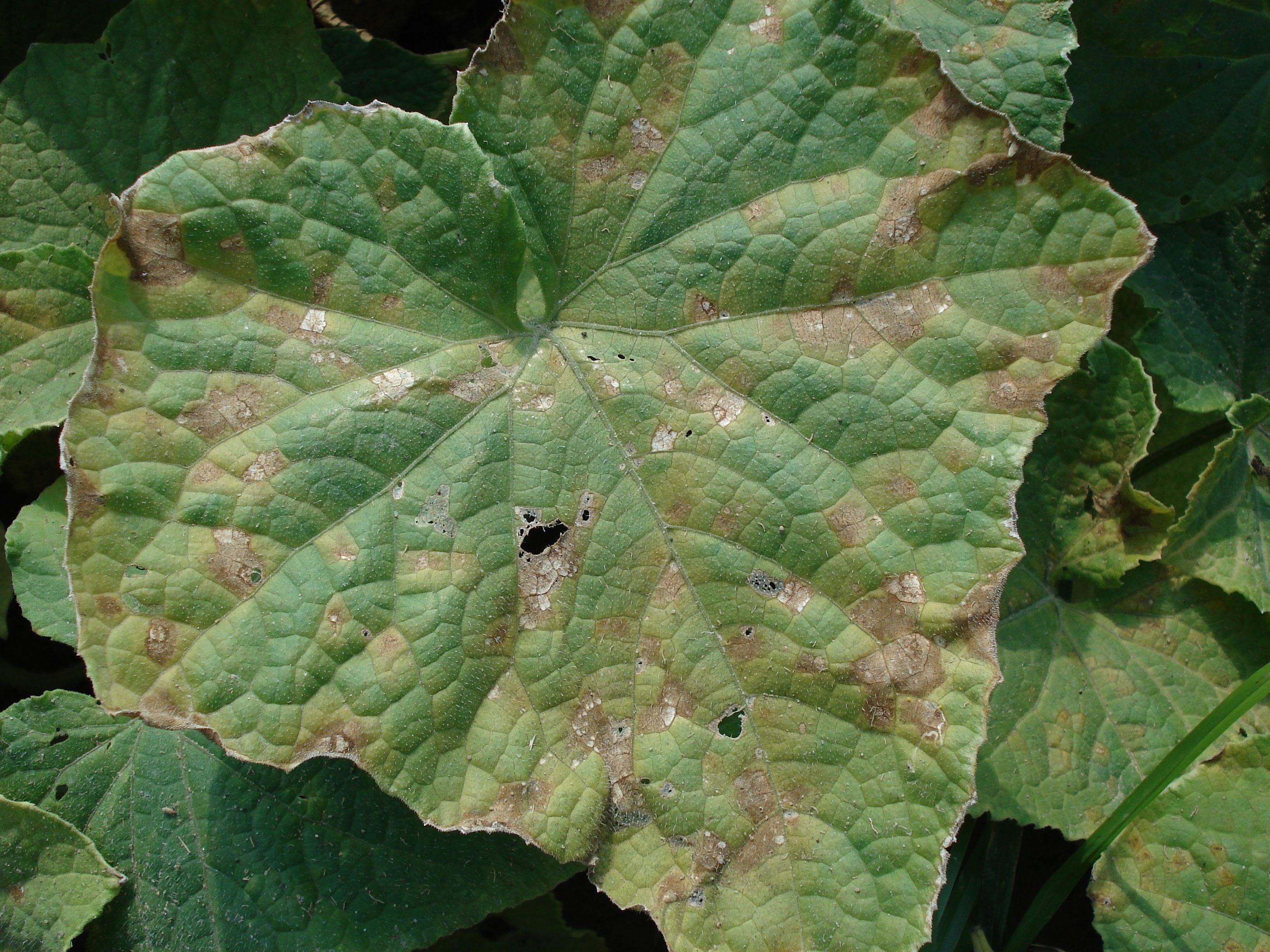
Cucurbit downy mildew has been confirmed on cucumber in southern New Jersey. This is the first report of CDM in the state and region this growing season. All cucumber and cantaloupe growers should scout on a daily basis and initiate a preventative fungicide program. Remember, some CDM isolates fall into Clade I which predominately infect watermelon, pumpkin, and squash, where other CDM isolates in Clade II predominately infect cucumber and cantaloupe.

For more information on CDM, the clades, and CDM control please click here.
Vegetable Disease Update – 6/14/21

  • Cucurbit downy mildew has been reported as far north as South Carolina on cucumber and cantaloupe in Georgia. To track the progress of CDM please visit the CDM forecasting website.
  • No reports of Late blight in the region. To track the progress of Late blight in the US please click here.
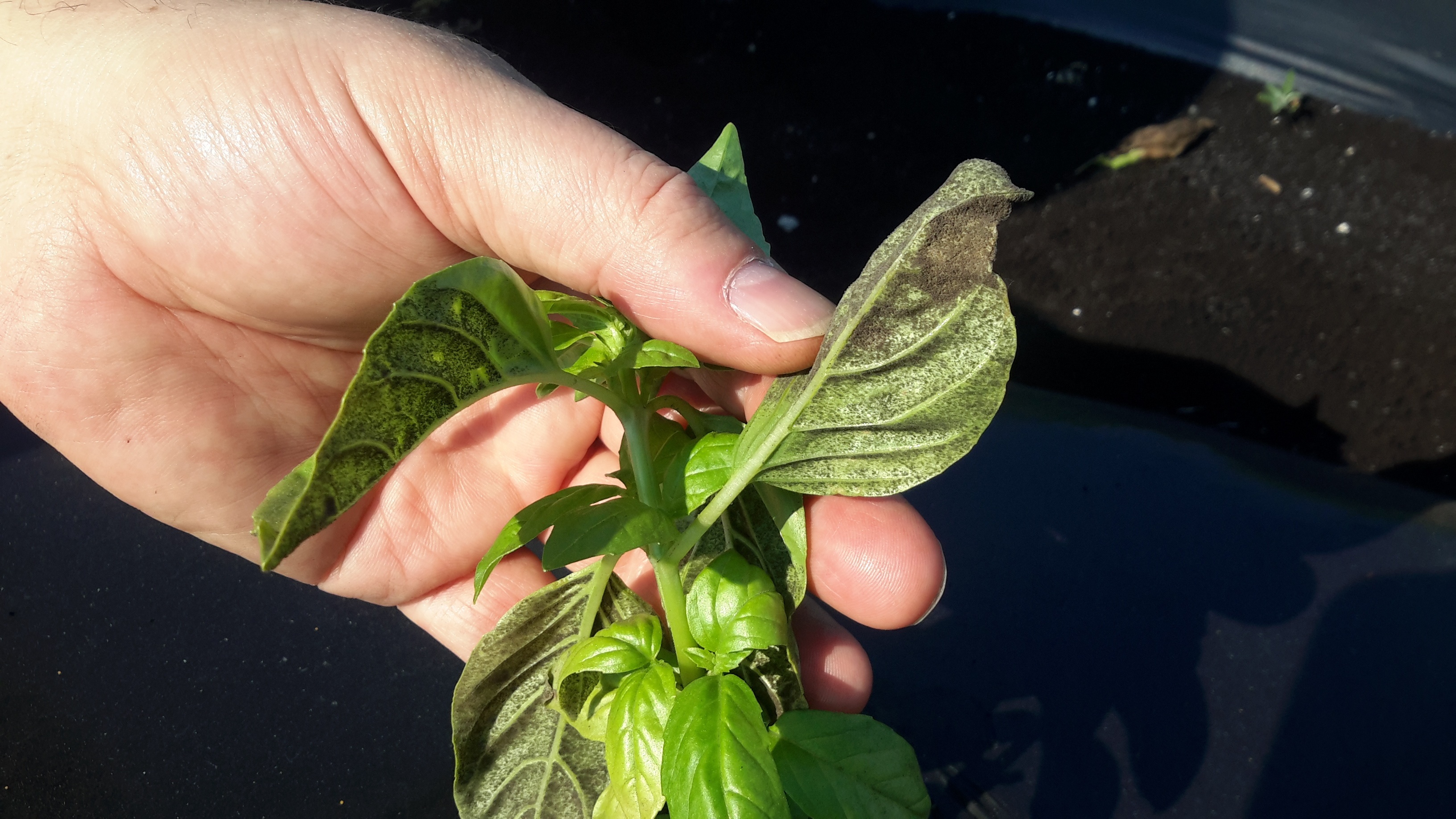
  • Basil downy mildew has been reported from multiple locations in southern New Jersey. All basil growers are encouraged to scout their plantings on a daily basis. For more information on controlling BDM please click here. To follow the progress of BDM in the US please click here.
  • Rhizoctonia and Pythium root rot have been reported in pepper. For a review of identifying and controlling root rots please click here.
  • With the on and off again heavy rains we have been getting, along with warmer weather, all growers should consider applying at-transplanting fungicides for root rot control. Please click here to see these articles.
  • The 2020/2021 Commercial Vegetable Production Recommendations Guide is available for free online! With many county offices running reduced hours or being closed this is the easiest way to obtain the newest recommendations.
  • For a quick review on managing fungicide resistance development using tank mixes and fungicide rotations, and information on FRAC group 4, FRAC group 7, and FRAC group 3 and FRAC group 11 fungicides please click on hyperlinks.

Organic Production: Suppressing Soil-borne Pathogens

Pathogens such as Fusarium, Pythium, Phytophthora, Thielaviopsis and Rhizoctonia that cause pre- and post-emergent damping-off can cause serious problems in organic (and conventional) transplant production.
The key to controlling and/or suppressing damping-off pathogens with biological controls is keeping the biological populations high and continually present on root surfaces of the host, and by following good cultural practices. [Read more…]

Destroying cucurbit plantings after harvesting is a must to help mitigate downy mildew

It’s a little early in the season but now is a good time to start thinking about ways to help mitigate cucurbit downy mildew pressure later on. All cucurbit fields, especially cucumber and other summer squash fields should be destroyed immediately after the last harvest to help limit potential inoculum sources for cucurbit downy mildew, especially in later plantings.

For a review of CDM control please click here.

To track the progress of CDM on your phone or PC please visit the CDM forecasting website.

Basil downy mildew found in southern New Jersey – ALERT 6/8/21

Basil downy mildew has been confirmed in potted sweet basil being sold by a box-store in Cumberland County in southern New Jersey. This is the second report of BDM in the state and region this growing season. All basil growers are encouraged to scout their fields or greenhouses on a daily basis and should consider initiating a preventative fungicide program. [Read more…]

Recognizing Angular Leaf Spot in Cucurbits

Angular leaf spot is common in New Jersey and the region. It often shows up during cooler, wet weather and isolated rain.

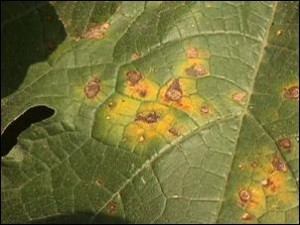
Symptoms of angular leaf spot in cucurbit.

Symptoms of angular leaf spot in cucurbit.

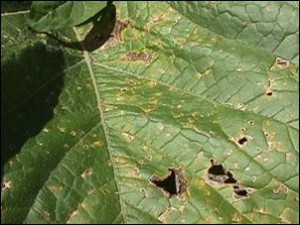
Angular leaf spot of pumpkin. Note the 'shot holes' in the leaf.

Angular leaf spot of pumpkin. Note leaf ‘shot holes’.

Angular leaf spot will first appear as, small water-soaked lesions which will expand until they reach a larger leaf vein resulting in the angular looking symptoms on leaves. Under heavy disease pressure, the bacteria will infect fruit causing small, water-soaked circular spots. In many cases once weather conditions become dry again, infected tissue in leaves will die and fall out leaving the characteristic ‘shot hole’ symptoms. Control of angular leaf spot begins with the application of labeled rates of fixed copper plus mancozeb to help suppress the spread of the disease until hot, dry weather returns.