Andy Wyenandt

This is an archive of Dr. Wyenandt's posts on the Plant and Pest Advisory.

Controlling Root Knot Nematode in New Jersey

The Root Knot Nematode does show up from time to time in vegetable production in New Jersey. Fortunately, for New Jersey, the distribution and damage done by the Root Knot Nematode is no where near the levels seen in regions further south of the state. There are two species involved, the Northern Root Rot Nematode (Meloidogyne hapla) and the Southern Root Rot Nematode (Meloidogyne incognito) and both species have been found in the state. [Read more…]

Preparing for important fungal diseases in Asparagus during the summer.

Asparagus growers should consider scouting their fields regularly during the summer months for  foliar disease development. Important pathogens that growers need to scout for on a regular basis include Purple spot, Cercospora, and Rust. [Read more…]

Controlling Cercospora leaf spot in beet crops in 2023

Cercospora leaf spot (CLS), caused by Cercospora beticola, is an important and emerging disease in beet and swiss chard production in New Jersey. Efforts to control this disease has become more difficult in the past few years in some areas of southern New Jersey. [Read more…]

Controlling Anthracnose and Alternaria Leaf Blights in Cucurbit Crops

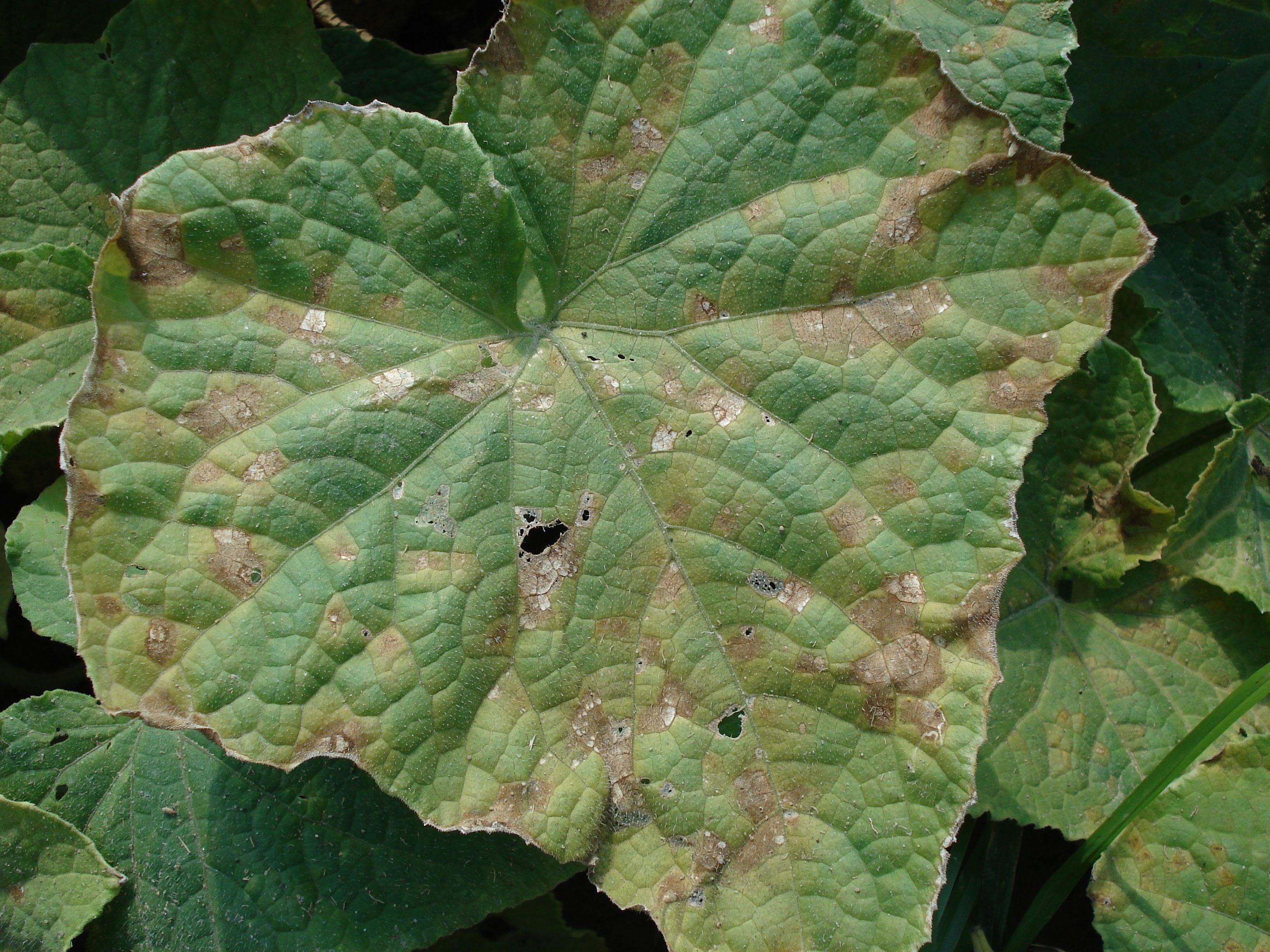
Anthracnose and Alternaria leaf blight can become problematic in cucurbit crops during long periods of wet, humid weather. Both can cause significant losses if not controlled properly. With the production season in full swing, now is a good time to review a few of these important diseases. [Read more…]

Important resources for cucurbit disease control in 2023

The cucurbit growing season is well under way in New Jersey and the rest of the mid-Atlantic region. Below are links to useful resources for the identification and management of important cucurbit diseases.

Diagnosing important diseases in cucurbit crops

Cucurbit Powdery and Downy Mildew: A Tale of Two Pathogens

The downy mildew forecasting website

Preparing for cucurbit downy mildew in 2023

Preparing for cucurbit powdery mildew in 2023

Preparing for Anthracnose and Alternaria Leaf Blights in Cucurbit Crops

Recognizing and controlling Angular leaf spot in cucurbits

Recognizing and controlling Plectosporium blight in cucurbits

Controlling Phytophthora and Pythium root rots

Destroying cucurbit plantings after harvest


Diagnosing Important Diseases In Tomato – Reference Guide

The following images consist of important diseases in tomato. These images can be used as a quick reference for diagnosing important fungal and bacterial pathogens. For best results, please turn your device (i.e., cell phone) sideways. For information on commercial control recommendations, please visit the tomato section of the 2022/2023 Mid-Atlantic Commercial Vegetable Production Guide. Additional information for home gardeners is located at the bottom of the Table.

Early blight Septoria leaf spot Anthracnose fruit rot
Early blight on tomato
Early blight lesion on fruit Ground rot infected green fruit Ground rot sporulating on fruit
Bacterial leaf spot Bacterial canker Bacterial speck
White mold Southern blight Late blight on foliage
White mold sclerotia in infected stem Southern blight sclerotia on infected stem Late blight infected fruit
Collar Rot caused by Alternaria spp.

For the homeowner or non-commercial grower there are a number of Rutgers/NJAES Fact Sheets available on-line:

Rutgers University/NJAES Fact Sheet (FS547) ‘Diagnosing and controlling important fungal pathogens of tomato in the home garden‘.

Rutgers University/NJAES Fact Sheet (FS548) ‘Diagnosing and controlling Phytophthora blight in the home garden’.

Rutgers University/NJAES Fact Sheet (FS1124) ‘Vegetable disease control recommendations for the home garden’.

For other Rutgers University/NJAES Fact Sheets for tomato please click here.