Vegetable IPM Report 6-19-13 – Click to View | Download | Print
In this report:
- Sweet Corn
- Cole Crops
- Tomatoes
- Peppers
- Brown Marmorated Stinkbug
- Pumpkins and Winter Squash
- Snap Beans
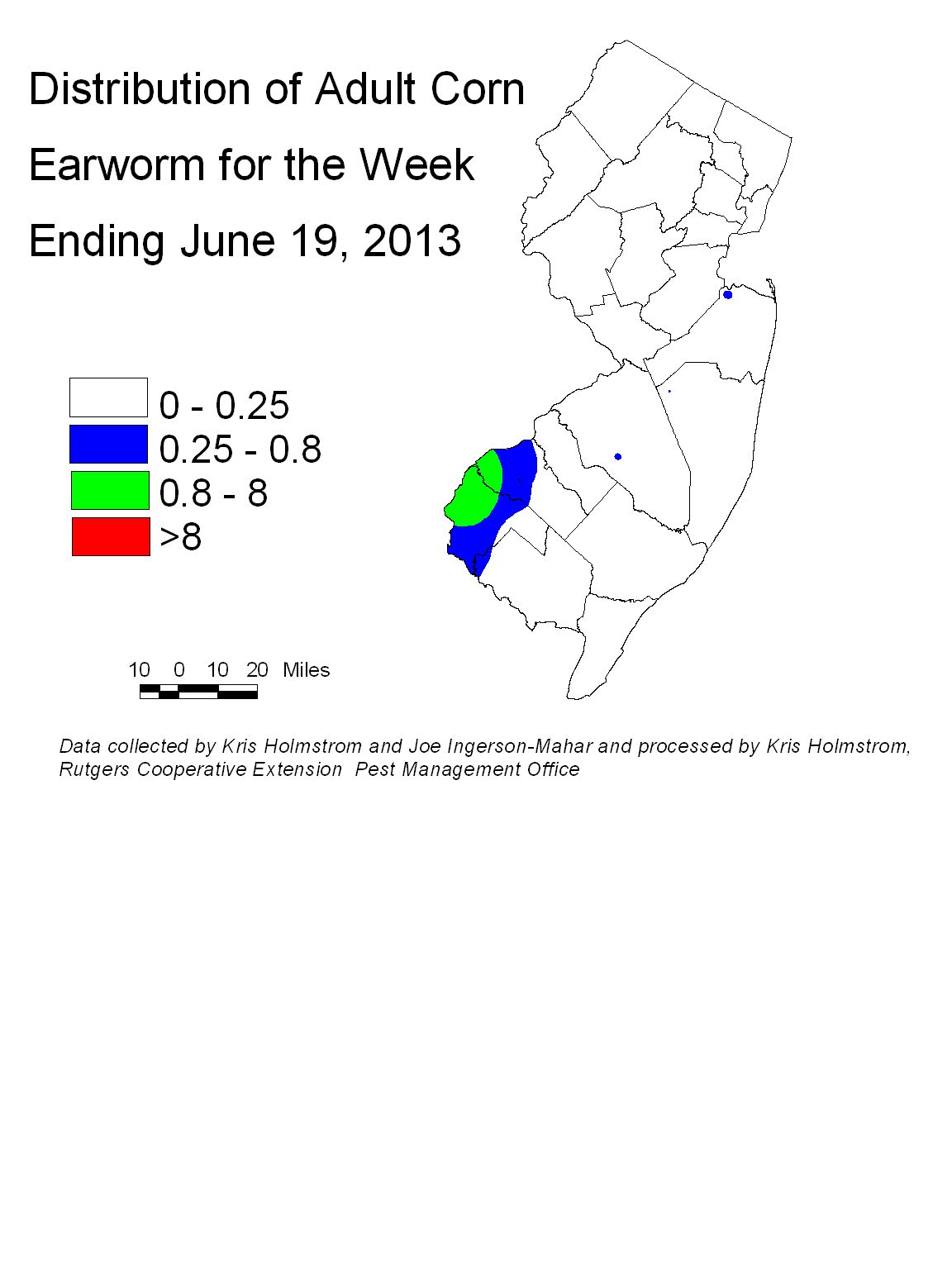
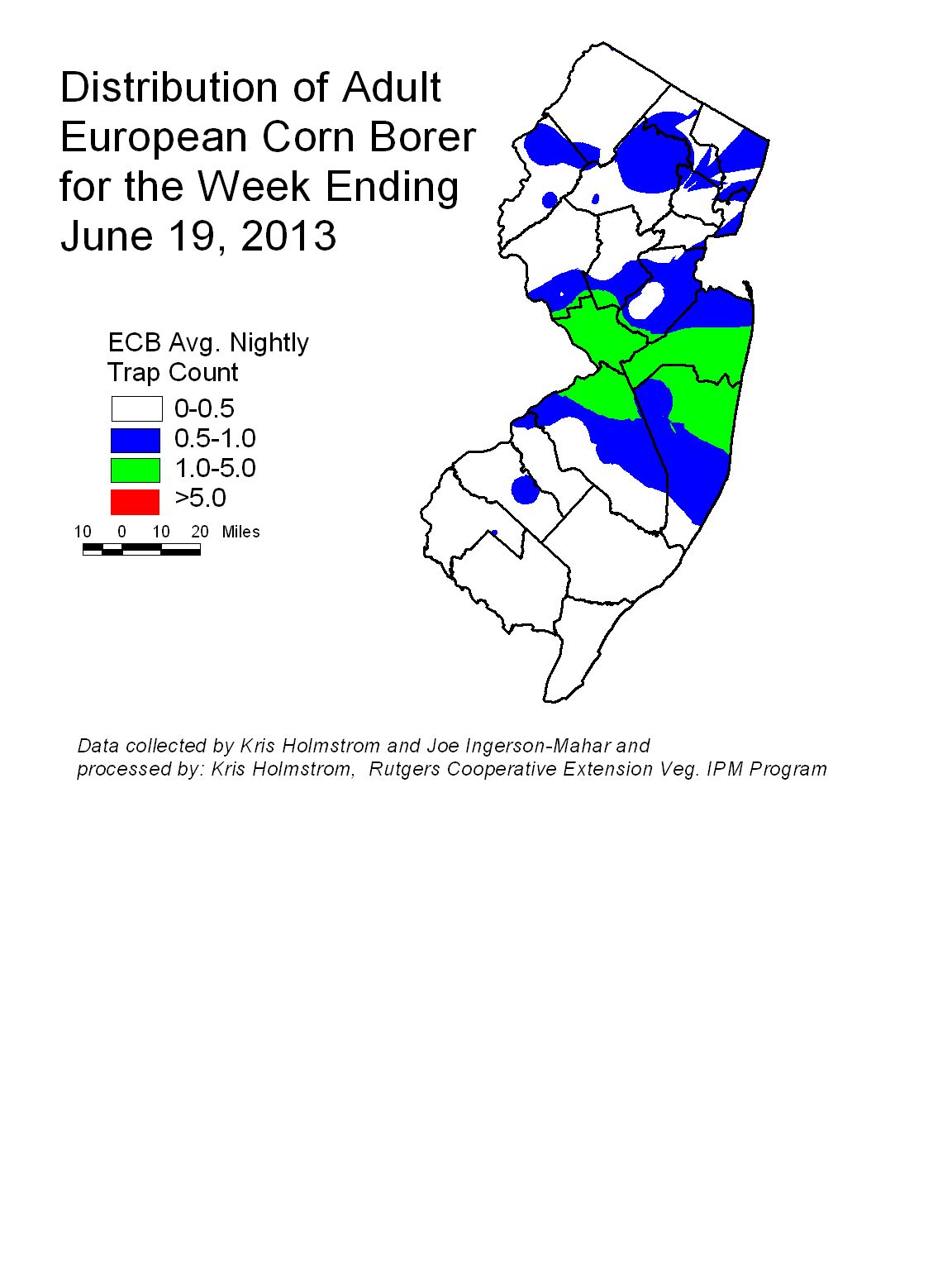
Click on Map to Enlarge
Rutgers Cooperative Extension
Seasonal updates and alerts on insects, diseases, and weeds impacting vegetable crops. New Jersey Commercial Vegetable Production Recommendations updates between annual publication issues are included.
Subscriptions are available via EMAIL and RSS.
Quick Links:
NJ Commercial Vegetable Production Recommendations
Rutgers Weather Forecasting - Meteorological Information important to commercial agriculture.
Vegetable IPM Report 6-19-13 – Click to View | Download | Print
In this report:
- Sweet Corn
- Cole Crops
- Tomatoes
- Peppers
- Brown Marmorated Stinkbug
- Pumpkins and Winter Squash
- Snap Beans
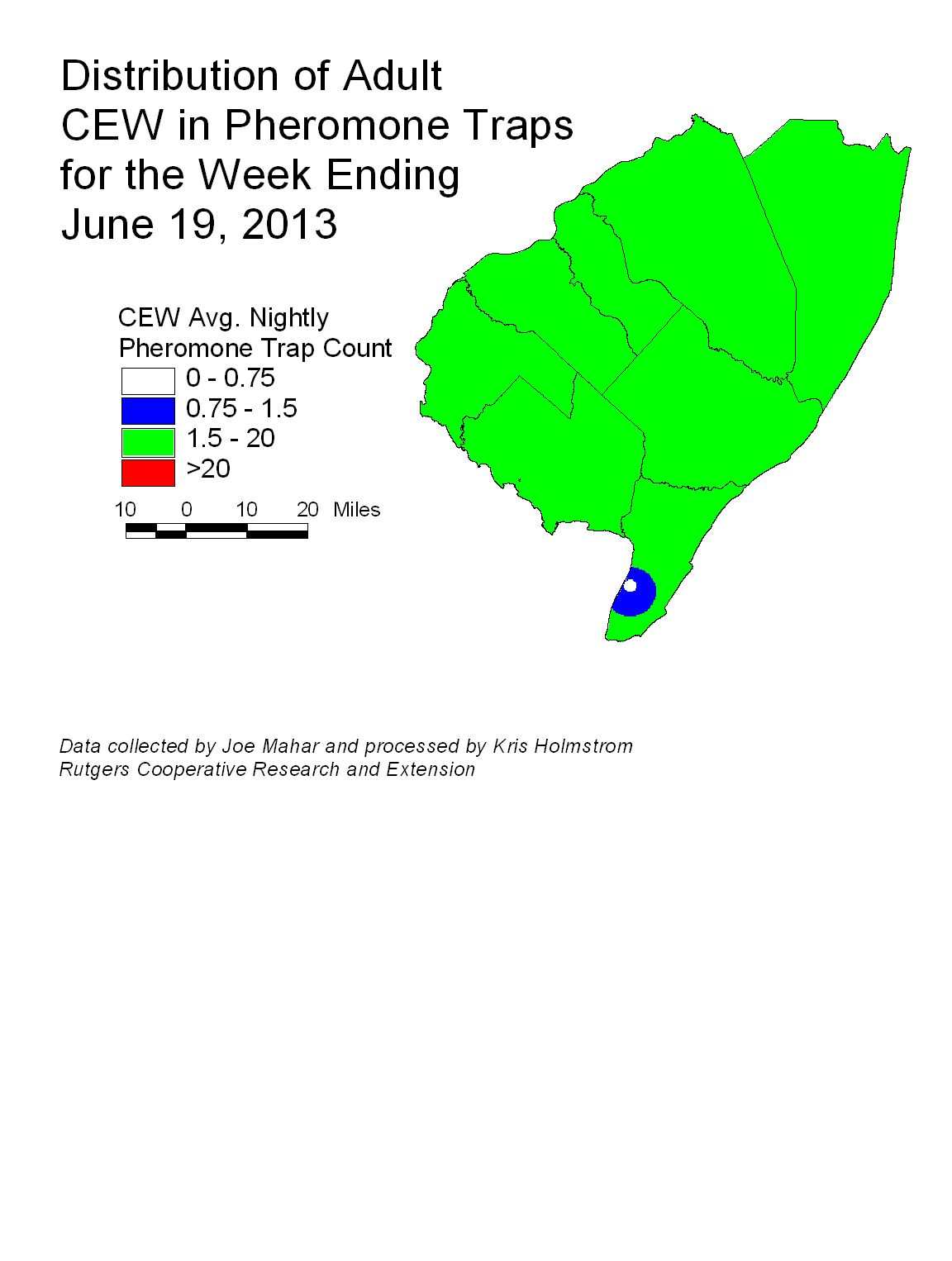
Click on Map to Enlarge
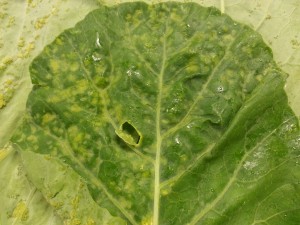
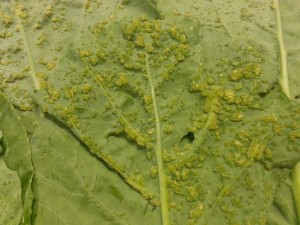
Edema is being reported in some brassica crops. Edema is often expressed as off-color swellings or galls that appear on leaves and stems. Edema develops when epidermal cells hold excessive water due to a slowing of evapotransporation when hot, muggy days are followed cooler, wetter weather. Edema develops because the plant takes in more water (due to a high soil moisture content) than it can get rid of causing cells to rupture which results in the blistering of the leaves.

Symptoms of edema on top side of
collard leaf.
Note the off-color appearance of leaf surface.

Edema, bottom side of collard leaf.
Note irregular, “corky” appearance due to
leaf cell rupture.

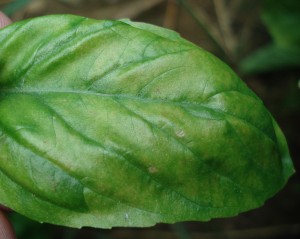
Symptoms of downy mildew on
infected sweet basil leaf

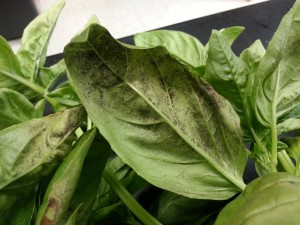
Basil downy mildew sporulating on the
underside of an infected leaf.
Rob Pyne1, Kathryn Homa 1,2, Bill Barney1,2, Andy Wyenandt1, and Jim Simon1
1 Department of Plant Biology and Pathology, Rutgers University 2 IR-4 Program
In 2010 a basil variety and breeding line trial was conducted as an initial screen for potential sources of genetic resistance to downy mildew caused by Peronospora belbahrii, a destructive pathogen of basil introduced in the US in 2009. This trial was expanded from 30 to over 40 varieties representing six different Ocimum species in 2011. Varying levels of disease susceptibility were observed with the highest tolerance associated with O. americanum, O. citriodorum, O. gratissimum, and O. tenuiflorum varieties and USDA-GRIN accessions. In contrast, the most severe symptoms and extensive sporulation were consistently observed in O. basilicum accessions, including the popular commercial sweet basil varieties. [Read more…]
Basil downy mildew has been reported in South Jersey near Vineland. This is the first report of basil downy mildew this season in New Jersey and the mid-Atlantic region. All basil growers are urged to scout their fields and consider applying preventative fungicides. The wet weather over the past week and the rains expected to come through the area later today and this later week are ideal for the development and spread of basil downy mildew.
Check out the Plant & Pest Advisory Organic Farm Advisory section which contains recommendations grounded in replicated trials and experience. These articles aim to support NJ commercial growers using organic methods.
Cooperating Agencies: Rutgers, The State University of New Jersey, U.S. Department of Agriculture, and Boards of County Commissioners. Rutgers Cooperative Extension, a unit of the Rutgers New Jersey Agricultural Experiment Station, is an equal opportunity program provider and employer.
Rutgers University is an equal access/equal opportunity institution. Individuals with disabilities are encouraged to direct suggestions, comments, or complaints concerning any accessibility issues with Rutgers web sites to: accessibility@rutgers.edu or complete the Report Accessibility Barrier or Provide Feedback Form.
Copyright © Rutgers, The State University of New Jersey, an equal opportunity, affirmative action institution
Copyright © 2026 · Generate Child Theme on Genesis Framework · WordPress · Log in