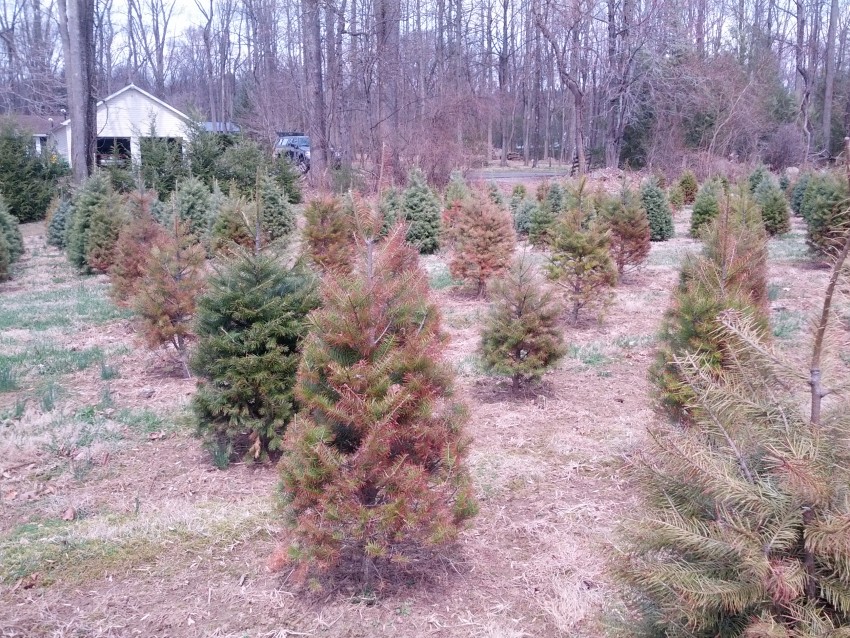
Buds of many confiers, including Douglas-fir, are in the process of breaking around the state. Every spring around this time, the Plant Diagnostic Laboratory starts to get samples with suspect needlecast, and as usual, we have indeed seen our share of needlecast so far this spring.
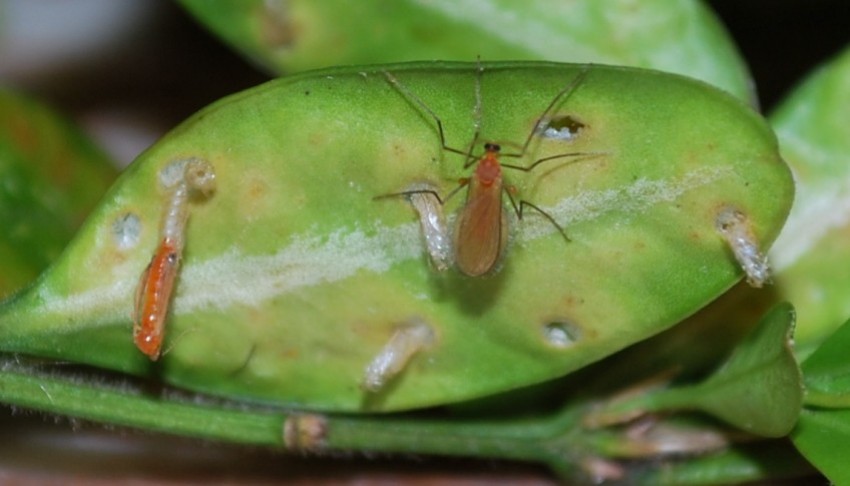
Fly, Boxwood Leafminers Fly!
If you haven’t noticed, spring has sprung in earnest. Spring flowering trees and shrubs have popped and are already fading. The buds of many other plants are breaking everywhere. Right along with the plants come the critters.
Why are There Holes in My Cheese?
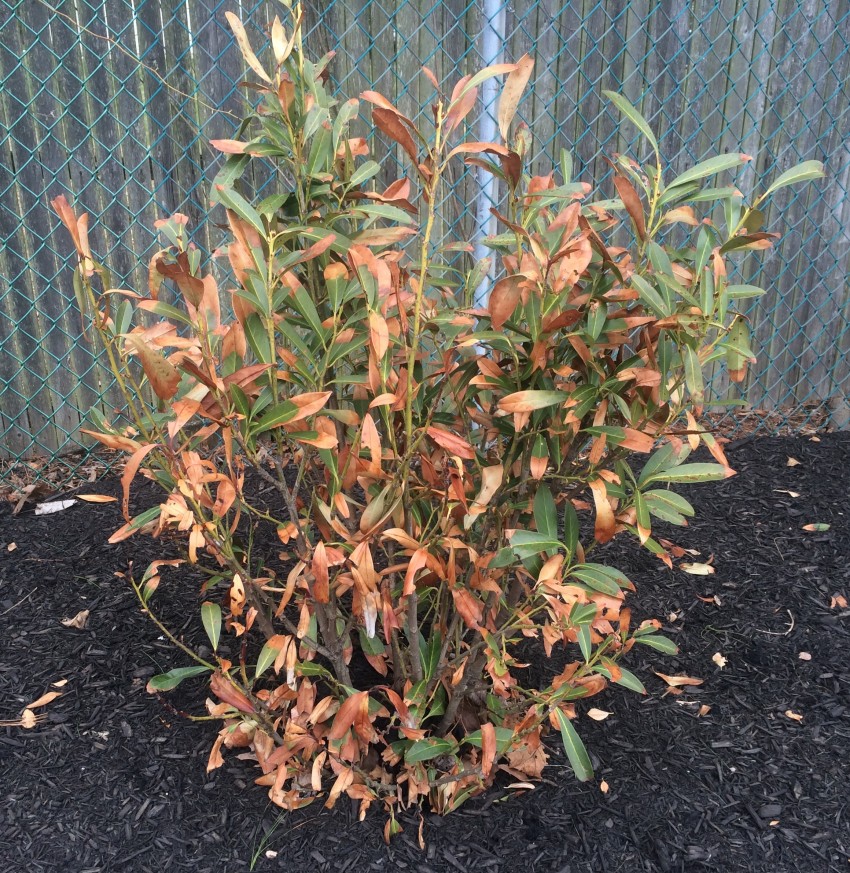
Do you ever wonder what is causing your cherrylaurel to look like Swiss cheese? Clearly, it’s not because Anatole has been hanging around. More than likely the shothole symptoms you see are caused by one of several pathogens and abiotic stresses common to other species of Prunus.
Got Plans for Monday Morning?
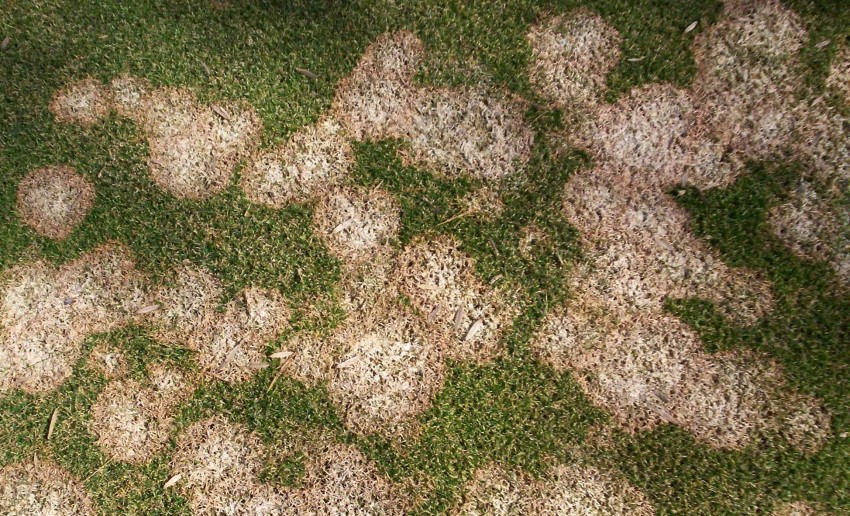
If you are managing high value turf areas, like a golf course putting green, I hope you are watching the weather. By most accounts, we are in for some cold rain next week. High temperatures in the low 50s and a 90% chance of rain from Tuesday through Thursday are imminent. Crummy cycling weather, but perfect for pink snow mold!
Goes to Show You Don’t Ever Know
Last week, we saw photographs of cherrylaurel that got pummeled by the winter. Of course, I proved my plant ignorance in the blog post by calling the photos of cherrylaurel, Prunus laurocerasus, mountain laurel, which is Kalmia latifolia. No doubt mountain laurel got hurt in the winter just the same as cherrylaurel did and no doubt I need a better editor!
Frosty Finally Melted Part 2
Despite a winter that tormented us, most plants did pretty well in the snow. While there was plenty of mechanical damage from several heavy snow storms, the snow accumulation actually protected many plants. Snow cover helped to prevent winter desiccation, particularly in plants lucky enough to have been buried, like turfgrass. It also kept the ground in many locations from a hard freeze, which helped provide much needed moisture to the landscape. [Read more…]